800km Metro: How to Conquer Shanghai's Underground Lifeline
"The sheer scale of this network makes a single subway map look like a tangled web of light, but mastering it is the only way to conquer the city."
Navigating Shanghai doesn't happen on foot or in a car; it happens underground. To move through a city of 34 million people, you need to understand the pulse of its transit system.
Key Takeaways * Unmatched Scale: With over 800 km of track and dozens of lines, this is one of the largest transit networks on earth. * Digital-First Payment: Forget looking for ticket booths; your phone is your ticket via Alipay or WeChat.
* Efficiency is King: Use the metro to bypass surface traffic and connect business hubs to historic districts seamlessly.
How Vast is the Shanghai Metro System?
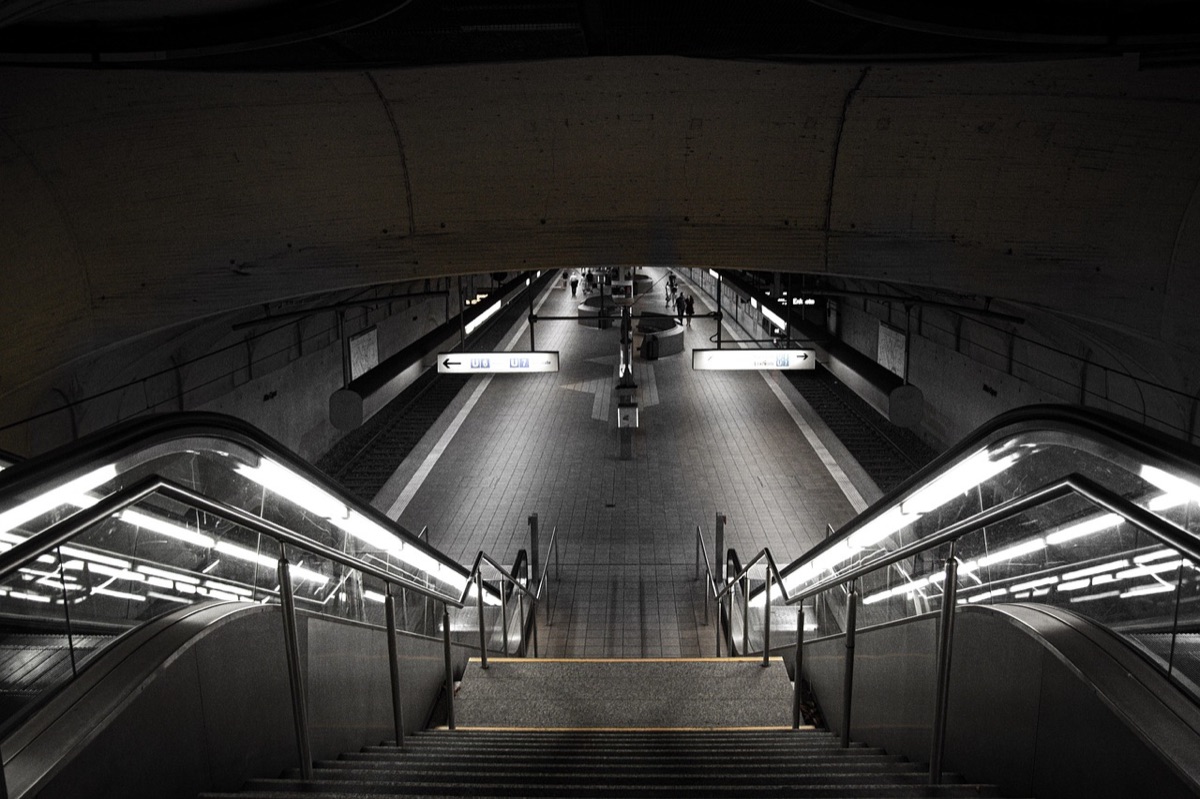
I remember standing in the middle of People's Square station at 8:15 AM, looking up at the digital signage and feeling a momentary sense of vertigo. The sheer volume of people moving in synchronized patterns was overwhelming, yet strangely orderly.
The scale of this network is staggering. According to the OECD, Shanghai's metropolitan area has an estimated population of 34 million.
To move that many people, the city implemented an ambitious 40-year phased program that would eventually see the construction of 11 metro lines covering over 325 km by 2025.
Since those early days, the growth has been explosive. While early milestones included the 25 km Pearl line (line 3) opening to serve the city, the network has expanded far beyond those initial corridors.
By the end of 2021, the system had grown to include 19 lines, spanning 802 km, and featuring 516 stations. This rapid expansion makes it a global leader in transit, often cited as one of the largest fully automated systems by length.
The growth isn't just about length; it's about density. As the city expands, the metro acts as the skeletal structure holding the metropolis together. But size alone isn't the only challenge.
How do I navigate the lines and routes on my first trip? I once spent thirty minutes wandering through a transfer station, staring at a map that looked more like a circuit board than a transit guide. It took me a moment to realize that in Shanghai, the lines don't just connect places; they define neighborhoods.
Planning a trip requires looking at the map through the lens of "hubs." Major stations like People's Square or Jing'an Temple act as central nodes where multiple lines intersect. When you are planning your route, remember that different lines serve different purposes.
Some are high-speed corridors designed to move people across the city rapidly, while others serve as local feeders into residential or historic districts.
The complexity of transfers can be daunting. Because the system is so massive, walking between lines can sometimes involve long corridors or even moving between different levels of a massive underground complex. However, the signage is highly standardized.
Early development, such as the opening of Line 3 in 2001, laid the groundwork for what is now a mature, highly integrated system.
Today, the distinction between urban lines and those reaching toward the outskirts is clear, allowing travelers to transition from the high-rise business districts to the outskirts with relative ease. But how do you actually pay for it without causing a scene?
What are the essential logistics beyond the map? Walking up to a ticket machine and fumbling with paper change is a relic of the past. I watched a businessman tap his phone against a gate, breeze through, and disappear into the crowd without a second thought. That is the standard you should aim for.
In a city where ridership routinely stands at over 10 million on an average workday, efficiency is not just a luxury—it is a necessity. This high volume, which accounts for 73% of trips on public transport in the city, means that manual ticketing would lead to total chaos at station entrances.
For travelers, the "friction point" is almost always payment. You should not rely on paper tickets. Instead, integrate your transit needs into your digital wallet.
| Payment Method | Best For | Ease of Use |
|---|---|---|
| Alipay / WeChat Pay | Daily commuting and rapid entry | High (Scan QR code) |
| Shanghai Public Transport Card | Long-term stays or heavy users | Medium (Physical/Digital) |
| Single Journey Ticket | Rare, one-off trips to outskirts | Low (Requires machine use) |
The most effective way to navigate is to link a transit card or use the "Transport" mini-app within Alipay. This allows you to tap-and-go at any gate. If you try to use cash or hunt for coins at a machine during rush hour, you will find yourself stuck in a bottleneck.
The real question is how this massive machine affects the soul of the city.

Metro vs. The City: Connecting to Shanghai’s Ecosystem
I sat in a quiet cafe in the French Concession, looking out at the tree-lined streets, and realized how different this felt from the neon-soaked streets of Pudong. Yet, even here, the quiet hum of the metro running beneath the pavement is the constant thread.
According to the International Congress and Convention Association, Shanghai hosted 82 international meetings in 2018.
The metro is the lifeline that connects these disparate worlds. It bridges the gap between the hyper-modern skyline of Pudong and the historic, leafy streets of the former French Concession. It is the tool that makes a city of 34 million feel accessible.
The system's role in supporting major global events, such as the 2010 Expo, demonstrated its ability to handle massive surges in human movement. It doesn't just move people; it enables the city's economic and cultural life.
By connecting business districts like Lujiazui to residential hubs and cultural landmarks, the metro ensures that the city remains a cohesive unit rather than a collection of isolated pockets. It is the backbone of Shanghai's identity as a global hub.
But how do you prepare for the sheer scale of it?
Future-Proofing Your Trip: Planning Ahead
Looking at a blueprint of a new line, I am struck by the sheer engineering ambition required to lace a city with steel and concrete. It makes you realize that the transit system is never "finished"; it is a living, breathing entity.
According to World Bank data, China recorded a share of internet users of 91.6% in 2025.
The long-term vision for Shanghai's transit is even more expansive than its current state. The city continues to push toward higher speeds and even greater coverage.
While current lines handle the bulk of the 10 million daily riders, future expansions aim to further integrate the metropolitan area, reducing travel times between the city center and satellite districts.
For the business traveler, understanding these developments is key. New lines often mean new business hubs and new hotel developments.
- Download a Map App: Use a digital map that updates in real-time to avoid delays.
- Check Peak Hours: Avoid traveling between 8:00 AM–9:30 AM and 5:30 PM–7:00 PM if you want to avoid the heaviest crowds.
- Verify Station Exits: Large stations often have dozens of exits. Always check which exit is closest to your specific destination to avoid walking kilometers in the wrong direction.
- Prepare Your Digital Wallet: Ensure your Alipay or WeChat Pay is fully set up with a valid credit card before you arrive at the station.




Comments 0