French Concession: Walk Shanghai's Rich Colonial History
"Walking through these tree-lined streets feels like stepping into a living museum where the ghosts of old Europe meet the pulse of modern China."
If you want to understand the soul of Shanghai, you cannot simply look at the neon towers of Pudong; you must walk the shaded avenues of the French Concession.
This district offers a quiet, human-scale contrast to the city's vertical ambition, preserving a layered history that defines Shanghai's unique identity.
Key Takeaways * The French Concession provides a vital window into Shanghai’s colonial history through its preserved European-style architecture. * The area serves as a sophisticated cultural hub, blending residential charm with high-end dining and business utility.
* Planning your visit around seasonal weather and transit lines is essential for a seamless immersion into "Old Shanghai."
Why Visit the French Concession Now?
A cool breeze rustles through the plane trees as you walk down Wukang Road at 10:00 AM, the sunlight filtering through leaves to hit the red brick of a century-old villa.
The area's historical significance is rooted in a 1914 agreement that gave the French Concession control over a significantly larger area between the Old City and Xujiahui, 15 times the size of the original grant.
In this moment, the towering skyscrapers of the Pudong skyline feel worlds away, even though they are just a short drive across the river.
The French Concession is not just a neighborhood; it is a historical anomaly that shaped the city's DNA.
This area’s significance was cemented by historical shifts, such as the agreement proclaimed in 1914, which gave the French Concession control over a significantly larger area between the Old City and Xujiahui, making it 15 times the size of the original grant.
This expansion created the sprawling, leafy labyrinth that travelers explore today.
While much of Shanghai has been rebuilt into a forest of glass and steel, the Concession maintains its architectural echoes. You will find a mix of Art Deco, French colonial, and traditional Shikumen styles that tell the story of a cosmopolitan melting pot.
For the modern traveler, it represents the "real" Shanghai—a place where history isn't just in a museum but is lived in every cafe and courtyard.
Understanding this district is the key to grasping how Shanghai transitioned from a treaty port to a global megacity. It provides the necessary context to understand why the city feels so much more international than other Chinese metropolises.
But how do you actually navigate this maze without getting lost in the heat?
How do I plan my immersion and navigate the concession? The morning sun hits the pavement of Anfu Road at 9:30 AM, and you realize you need to check your transit app before the heat of the day sets in. You decide to plan your route carefully to avoid the midday rush and the heavy humidity.
When planning your walks through the district, keep in mind that on average, 21 days meet or exceed 35 °C (95 °F) annually.
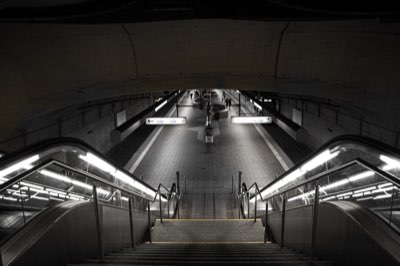
Getting around the Concession is relatively straightforward thanks to the Shanghai Metro. Most of the historic streets are well-served by lines like Line 1, Line 7, and Line 10, making it easy to reach from major business hotels in Jing'an or Pudong.
However, the best way to truly experience the area is on foot, as the charm lies in the narrow side streets that cars cannot easily navigate.
| Season | Vibe | Practical Advice |
|---|---|---|
| Spring (Mar-May) | Blooming and fresh | Perfect for photography; light layers needed. |
| Summer (Jun-Aug) | Humid and vibrant | High heat; plan indoor cafe stops for midday. |
| Autumn (Sep-Nov) | Golden and cool | The absolute best time for long walks. |
| Winter (Dec-Feb) | Crisp and quiet | Wear a heavy coat; some outdoor cafes close. |
Whether you are a leisure traveler looking for aesthetic cafes or a business professional needing a quiet spot for a meeting, the Concession accommodates both. It is a versatile district that bridges the gap between the high-speed commerce of the city and its historical roots.
But once you step off the main boulevard, you might find yourself wondering where the boundaries of history actually lie.
What experiences are available beyond the streets? You stand at the edge of a quiet courtyard at 3:00 PM, looking up at a balcony, only to realize that just a few blocks away, the massive Huangpu River is churning with giant cargo ships. According to World Bank data, China recorded international tourist arrivals of 30,402,000 in 2020.
The transition from the intimate scale of the Concession to the grand scale of the waterfront is jarring but beautiful.
It is easy to confuse the French Concession with The Bund, but they offer entirely different experiences. The Bund is a grand, sweeping waterfront that showcases the city's maritime power and colonial grandeur through massive stone buildings.
In contrast, the French Concession is an internal, residential, and cultural deep dive. While The Bund is about the view, the Concession is about the atmosphere.
For those with extra time, the area connects logically to other major sights. You can easily transition from a morning walk in the Concession to a visit to the Shanghai Museum or a boat ride along Suzhou Creek.
The proximity to the Xujiahui district also allows for a seamless transition from historical exploration to modern shopping and religious sites.
A well-structured itinerary usually begins with the human-scale history of the Concession in the morning, followed by a transition to more modern or grander landmarks in the afternoon. This prevents "scale fatigue" and helps you appreciate the diversity of the city.
However, knowing where to go is only half the battle; you also need to know what to eat.
Dining in the Concession: A Taste of Shanghai's Evolution
The smell of steaming soup dumplings wafts from a small shop on a corner at 12:30 PM, mixing with the aroma of freshly roasted coffee from a nearby boutique cafe. You find yourself torn between a traditional breakfast and a modern brunch.
According to World Bank data, China recorded high-technology share of manufactured exports of 26.3% in 2024.
Dining in the French Concession is an exercise in culinary evolution. You can find everything from traditional Shanghainese staples to high-end French bistros. The area is famous for its ability to host both authentic local flavors and international gourmet standards.
If you are looking for local authenticity, hunt for spots serving Xiaolongbao (soup dumplings) or Shengjian Bao (pan-fried pork buns). These are staples of the local diet and provide a burst of flavor that defines the region.
For a more refined experience, the Concession is home to some of the city's best upscale dining, perfect for celebrating a successful business deal or a special occasion.
| Dining Type | Best For | Typical Vibe |
|---|---|---|
| Local Street Food | Quick, authentic bites | Bustling, casual, sensory-heavy |
| Traditional Shanghainese | Deep cultural immersion | Family-style, flavorful, cozy |
| International Bistro | Western palates/Business | Sophisticated, quiet, stylish |
A practical tip for travelers is to mix your meals. Do not spend your entire trip in high-end restaurants; the charm of the Concession is often found in the small, unassuming eateries tucked away in residential alleys.
When I first walked through these streets in 2025, I spent far too much time in expensive cafes and missed the incredible flavor of a 20-yuan bowl of noodles in a side alley. It was a lesson in balance.
But there is another side to this neighborhood that goes beyond food and photography.
Business & Culture: The Concession as a Hub
A businessman in a sharp suit walks briskly past a flower stall at 8:45 AM, checking his watch before ducking into a quiet, wood-paneled cafe for a meeting. The intersection of professional life and relaxed living is palpable here.
According to World Bank data, China recorded share of internet users of 91.6% in 2025.
For the professional traveler, the French Concession serves as a vital cultural hub. While the primary business districts like Lujiazui are centered in Pudong, the Concession offers a more sophisticated environment for meetings, networking, and client entertainment.
Many boutique hotels and creative agencies are headquartered here, making it a center of commerce and culture.
The contrast between the slow, romantic pace of the streets and the fast-paced demands of modern business is striking. It is an excellent place to host a client who wants to see the "soul" of Shanghai rather than just the skyline.
The area provides a level of prestige and charm that a standard business hotel cannot match.
Using the area as a base for cultural immersion can also provide a competitive edge in business. Understanding the local nuances of lifestyle and history helps in building rapport with local partners.
It is more than just a place to stay; it is a place to understand the context of the people you are doing business with.
To make the most of your time, follow this simple checklist:
- Morning Exploration: Start your walk between 8:00 AM and 10:00 AM to catch the softest light and cooler temperatures.
- Midday Retreat: Plan to be indoors or in a shaded cafe between 12:00 PM and 2:00 PM to avoid the peak heat.
- Afternoon Transit: Use the metro to move between districts, but walk the last 15 minutes of any journey to find hidden gems.
- Evening Dining: Reserve tables in advance if you plan on visiting high-end bistros, but keep cash/mobile pay ready for street food.



Comments 0