34 Million People: Scaling Shanghai's Modern Transit System
"The heartbeat of East China doesn't pulse in the streets, but in the seamless transfer between a high-speed train and a subway platform."
Navigating Shanghai's massive transit network can feel like stepping into a sci-fi movie, but once you master the Hongqiao Hub, the entire region opens up to you. This guide breaks down how to use the city's most critical transit nexus to move between provinces and city districts with ease.
Key Takeaways * The Hub Concept: Hongqiao serves as the ultimate multi-modal junction, connecting international flights, domestic flights, and high-speed rail into one massive complex.
* Massive Scale: The Shanghai Metro is one of the world's largest, designed to move millions of people daily through an increasingly dense metropolitan area.
* Seamless Transfers: Understanding the relationship between regional high-speed lines and local metro lines is the secret to efficient travel.
* Strategic Arrival: Using Hongqiao as your primary entry point allows for much faster access to western Shanghai and neighboring provinces than landing in Pudong.
Why is Hongqiao the Nerve Center of Modern Shanghai Mobility?
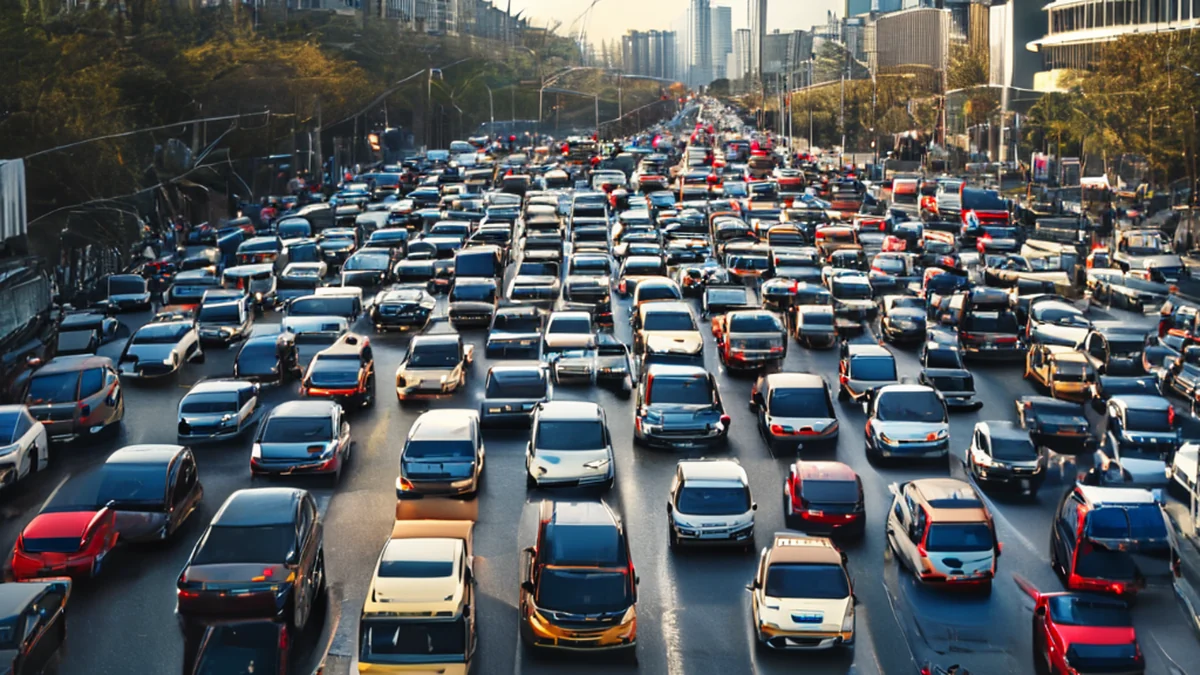
At midday, the heavy thrum of an approaching train vibrates through the soles of my shoes as I stand amidst the rushing crowds of the transit hub.
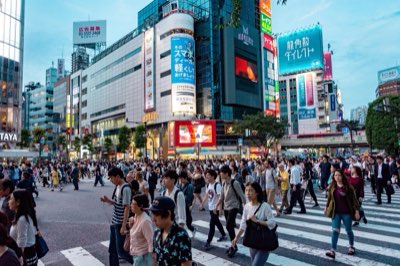
Standing in the center of the Hongqiao Transportation Hub at 10:15 AM, the sheer volume of moving people is enough to make anyone pause. You feel the slight vibration of the floor through your shoes as a train pulls into the platform deep below.
You see businessmen in sharp suits sprinting toward a high-speed rail gate, while families with heavy luggage navigate toward the airport terminal, all within the same architectural footprint.
This isn't just a station; it is a masterclass in urban planning designed to prevent the city from choking on its own growth.
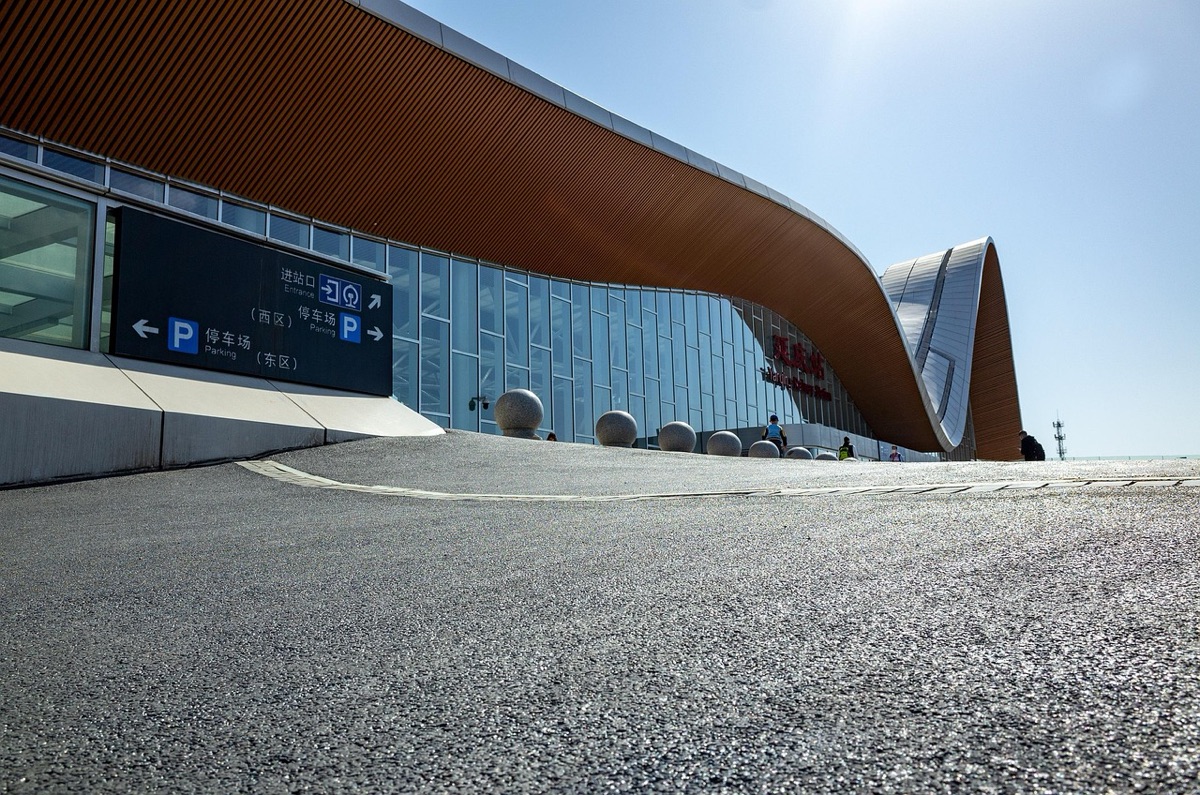
By consolidating the Hongqiao Airport, the Hongqiao Railway Station, and multiple metro lines into a single integrated hub, the city manages the flow of millions of passengers.
The scale of this development is staggering when compared to the early days of the city's transit history. While earlier efforts laid the groundwork, the modern master plan included a 40-year phased program that would eventually see the construction of 11 metro lines covering over 325 km by 2025.
Today, that vision has expanded far beyond those initial benchmarks, turning the hub into the primary gateway for the Yangtze River Delta.
As the city grows, the hub acts as a pressure valve, distributing regional travelers into the local urban fabric. But the sheer size of the hub often leads to a common problem for newcomers.
How big, fast, and far does the Shanghai Metro go? During the morning rush, the cool air of the underground tunnel brushes against my skin as I walk through the rhythmic pulse of the station.
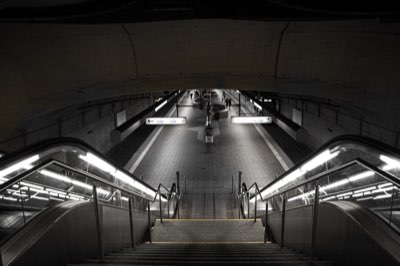
Walking through a transfer tunnel at 8:00 AM, the rhythmic sound of turnstiles and the steady stream of commuters creates a sense of relentless momentum. The air is slightly cooler in the underground passages, and the scent of quick breakfast noodles wafts from nearby vendor stalls.
The rapid expansion of the system is one of the most impressive feats of modern infrastructure. For context, the 25 km Pearl line (line 3) opened to help establish the initial backbone of the city's transit. Since those early milestones, the network has exploded in complexity and reach.
The sheer volume of ridership is a testament to the system's necessity. Ridership routinely stands at over 10 million on an average workday, accounting for 73% of trips on public transport in the city. This massive user base requires a system that is both robust and highly automated.
| Feature | Detail |
|---|---|
| Primary Hub | Hongqiao Integrated Transport Hub |
| Daily Ridership | Over 10 million passengers |
| System Purpose | Urban transit + Regional high-speed connection |
| Key Advantage | Seamless multi-modal transfers |
Managing such a massive load requires precise timing and constant expansion. The system must balance the needs of local commuters with the influx of regional travelers arriving via high-speed rail. However, understanding the local lines is only half the battle.
How does the network connect to other cities and regions? A traveler sits on a sleek, white high-speed train, watching the skyscrapers of the city center fade into the distance as the train accelerates toward Suzhou or Hangzhou. The quiet hum of the electric motor is the only sound in the cabin.
According to the International Congress and Convention Association, Shanghai hosted 82 international meetings in 2018, reflecting the city's growing regional importance.
This is the reality of modern Chinese transit: the distinction between "city travel" and "inter-city travel" is increasingly blurred.
The Hongqiao Hub is the bridge between these two worlds. It allows a passenger to land at an airport, take a short shuttle or metro ride, and board a train that can whisk them to another province in under an hour.
This level of integration is what allows the metropolitan area to function as a single economic unit.
The scale of the population being served is immense. According to the OECD, Shanghai's metropolitan area has an estimated population of 34 million.
To move this many people, the transit system must look beyond the city streets and provide reliable, high-speed connections to the surrounding provinces.
This regional connectivity is essential for the economic engine of the region. It allows for the rapid movement of people and goods, effectively shrinking the distance between major economic hubs. But how do you actually navigate this massive web without getting lost?
Navigating the Journey: Practical Tips for Visitors & Business Travelers
You stand at a digital kiosk at 6:30 PM, staring at a map that looks like a colorful spiderweb, wondering which line will take you to your hotel. The fluorescent lights reflect off the polished floor, and the crowd surges around you toward the turnstiles.
For the uninitiated, the most important thing is to understand the distinction between the local metro and the regional high-speed rail. While they often share the same stations (like Hongqio), they require different ticketing processes and often different gates.
- Download the right apps: Ensure you have digital payment methods like Alipay or WeChat Pay set up with your international credit card before you arrive.
- Identify your Hub: If your hotel is in the west or you are heading to Suzhou, aim for Hongqiao. If you are heading to the Bund or Pudong, you will likely deal with the eastern side of the city.
- Check the Map: Always look for the "Transfer" symbols on digital maps. Some transfers involve significant walking, so factor that into your travel time.
- Watch the direction: In a system this large, it is easy to board a train heading the wrong way. Always double-check the final destination listed on the train's digital displays.
For business travelers, time is the most valuable commodity. Using the high-speed rail via Hongqiao is often significantly faster than flying when traveling to neighboring cities like Suzhou, as it bypasses much of the airport-related congestion.
When I tried this for the first time, I realized that a 30-minute train ride is much more reliable than a two-hour airport check-in process.
As the city continues to grow, the sheer scale of the network becomes both its greatest strength and its most intimidating feature.
The Wider Context: Shanghai as a Global Hub
A quiet moment in a high-rise lounge overlooking the city allows for a moment of reflection on how much the world has changed. Below, the lights of the transit lines look like glowing veins pulsing through the dark landscape.
According to World Bank data, China recorded a high-technology share of manufactured exports of 26.3% in 2024.
Shanghai is not just a city; it is a global node. Its transit system is designed to support its role as a massive international meeting point and economic powerhouse. The ability to move millions of people efficiently is what allows the city to host major global events and maintain its status.
The economic weight of the city is reflected in its infrastructure. For example, the International Congress and Convention Association noted that Shanghai hosted 82 international meetings in 2018, a 34% increase from 61 in 2017.
Such growth is only possible because the transit system can handle the sudden influx of thousands of international visitors.
As the city continues to evolve, the transit network will remain the backbone of its global competitiveness.





Comments 0