Shanghai Art: Tracing Modern China's Digital Evolution
"The city doesn't just host art; it breathes it through neon, concrete, and digital pulses."
Shanghai is a city where the weight of colonial history meets a digital future so rapid it feels like living in a science fiction novel.
For the traveler or business professional looking to understand the true soul of modern China, wandering through its contemporary art scene is more essential than any shopping mall.
* Shanghai acts as a global crucible where traditional Chinese identity meets aggressive, high-tech modernization. * The art scene is split between established institutions and cutting-edge digital installations, requiring a bit of local intuition to navigate. * This guide helps you use art as a lens to understand the city's rapid evolution, perfect for those visiting for business or leisure.
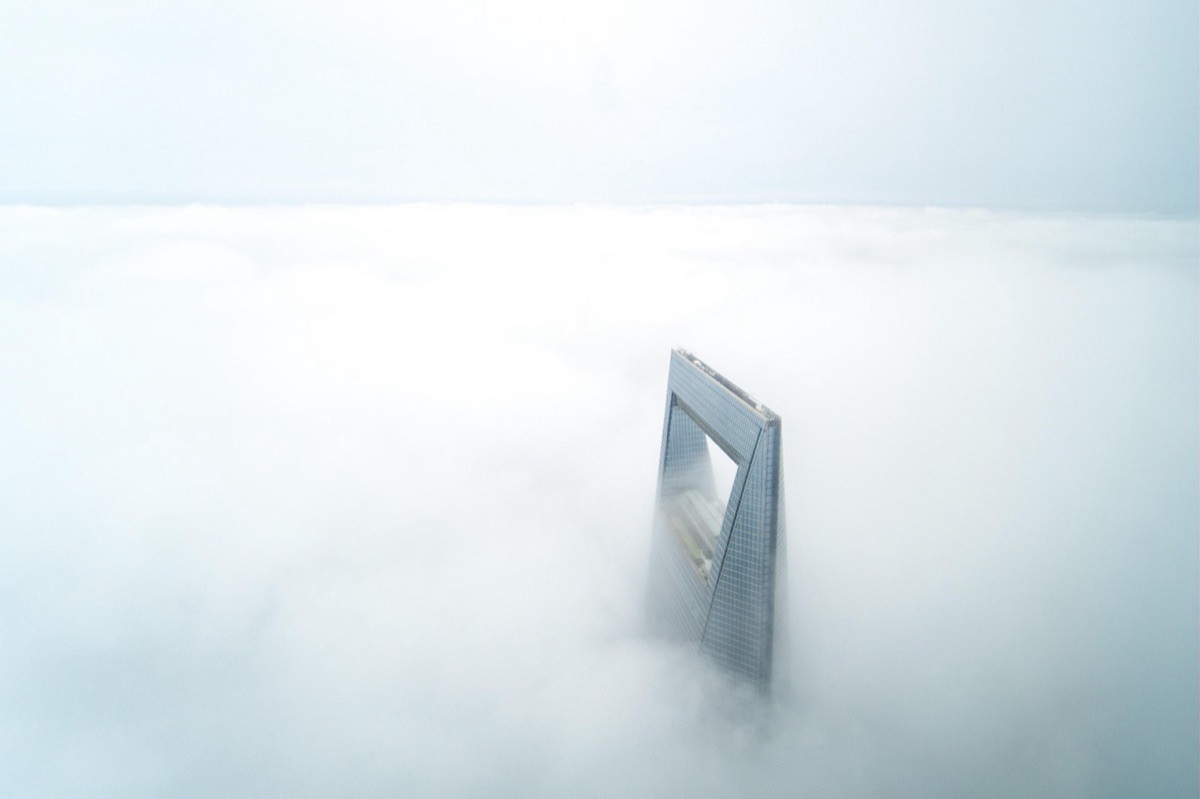
Why Shanghai is the Epicenter for Modern Chinese Artistry?
The morning sun hits the glass towers of Pudong, reflecting a blinding light that makes the historic Bund look like a sepia-toned memory. Walking from the quiet, tree-lined streets of the former French Concession toward the towering skyline of Lujiazui, you feel a literal tension between two eras.
According to the International Congress and Convention Association, Shanghai hosted 82 international meetings in 2018, reflecting the city's growing global prominence. This level of international connectivity makes it a magnet for artists who want their work to be seen on a global stage.
This tension is exactly what fuels the city's creative energy. The architectural dialogue in Shanghai is a constant tug-of-war. On one side, you have the heavy, stone-clad grandeur of early 20th-century buildings; on the other, the aggressive, gravity-defying futurism of the Pudong skyline.
This duality is reflected in the art itself, which often oscillates between quiet, introspective works and massive, overwhelming installations. Shanghai’s role as a global hub is not just a matter of commerce, but of cultural gravity. The city has long been a stage for international exchange.
For instance, looking back at its capacity for global engagement, the city hosted 82 international meetings in 2018, which represented a 34% increase from 61 in 2017. This level of international connectivity makes it a magnet for artists who want their work to be seen on a global stage.
The institutions here, from the Power Station of Art to various private museums, don't just hang paintings; they shape the narrative of what "modern China" looks like.
Because the city is so massive—with an estimated metropolitan population of 34 million according to the OECD—the art scene must be equally expansive to capture its complexity.
But the scale of the city isn't the only thing that leaves an impression.
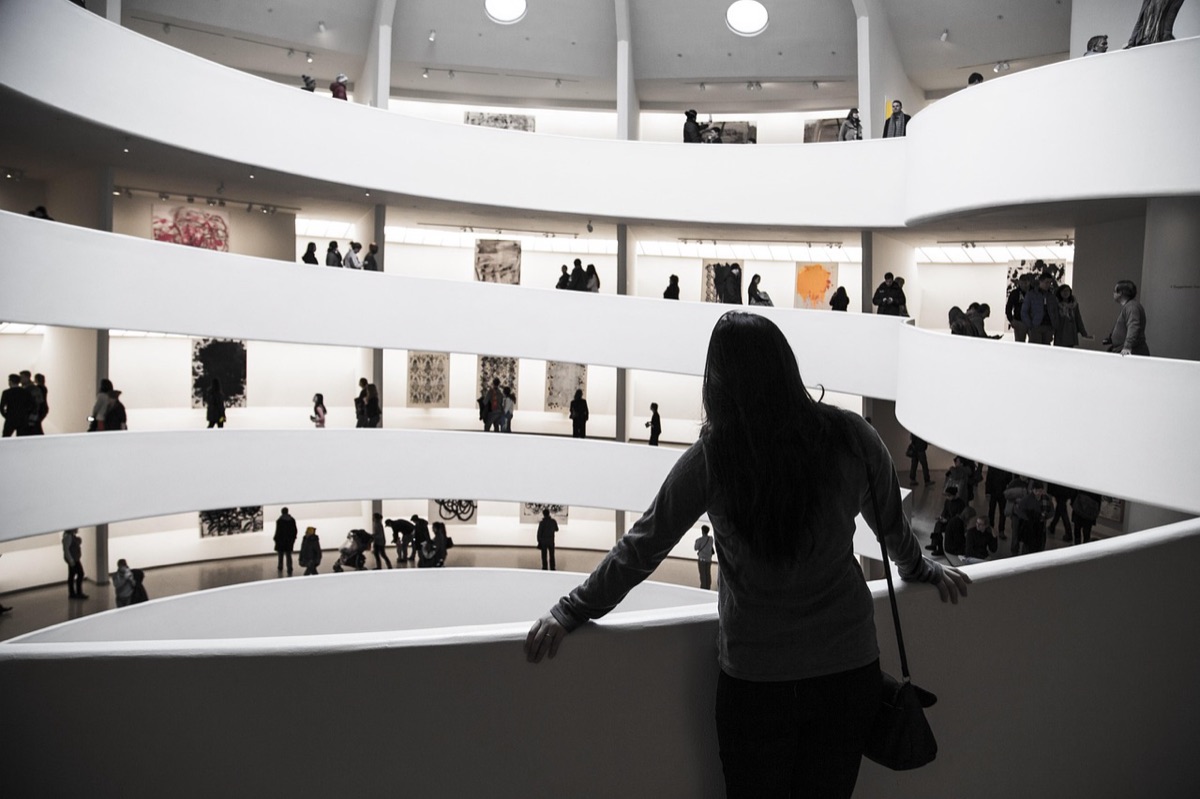
Tracing the Journey: How Artists Use Shanghai’s DNA in Their Work
I remember standing in a quiet gallery in the Xuhui District, looking at a piece that seemed to capture nothing but empty space, only to step outside and be hit by the roar of a thousand electric scooters. The sudden shift from silence to industrial noise was enough to make me catch my breath.
It was a jarring transition, much like the transition between the quiet contemplation of a gallery and the chaos of a Shanghai intersection. Contemporary artists in Shanghai often use the city's rapid development as their primary subject.
You will see recurring motifs of urbanization, the loss of memory, and the overwhelming nature of globalization.
The city's DNA—its mix of old Shikumen houses and hyper-modern skyscrapers—is baked into the very texture of the works produced here. Following an artist's exhibition history can serve as a perfect, curated tour of the city.
An artist might start their career with traditional ink washes reflecting the outskirts, then move toward heavy, industrial installations as they move into the city center.
This evolution mirrors the visitor's own journey through the city's diverse districts, moving from the historic quiet of Wukang Road to the high-octane energy of Nanjing Road.
| Artistic Style | Typical Setting | Core Theme |
|---|---|---|
| Traditional/Neo-Classical | Historic Districts (French Concession) | Memory, Heritage, Scale |
| Contemporary Installation | Industrial Re-purposed Spaces | Urbanization, Social Change |
| Media & Digital Art | Tech-Forward Districts (Pudong) | Future, Connectivity, Virtual Reality |
When I first walked through the industrial-turned-art spaces in the West Bund, the sheer size of the concrete ceilings made the delicate sculptures look like tiny survivors of a lost world. This sense of scale leads directly to the next evolution of the scene.
How is media art reshaping our cities? The hum of a digital screen often replaces the quiet scratch of a charcoal pencil in Shanghai's most cutting-edge galleries. In many spaces, you don't just look at art; you walk through it, as light and sound fill the room.
Digital technology has moved from being a subject of art to being the primary medium itself. In Shanghai, media art—including video installations, digital projections, and interactive light displays—is a dominant force. This shift reflects a society that is deeply integrated with digital life.
The scale of these installations often matches the sheer scale of the city. Just as the skyline dominates the horizon, massive digital works dominate the gallery space, forcing the viewer to confront the overwhelming nature of modern existence.
This digital dynamism is a perfect mirror to the city's infrastructure, where high-speed transit and digital payment systems are as seamless as breathing.
This technological immersion creates a unique visitor experience. It is a sharp contrast to the deep historical roots found in the city's alleys.
While a museum might show you a quiet painting of a landscape, a media art installation might use data to create a living, breathing digital ecosystem, much like the data-driven pulse of the city itself.
But how do you actually navigate this sprawling, high-tech labyrinth without feeling lost?
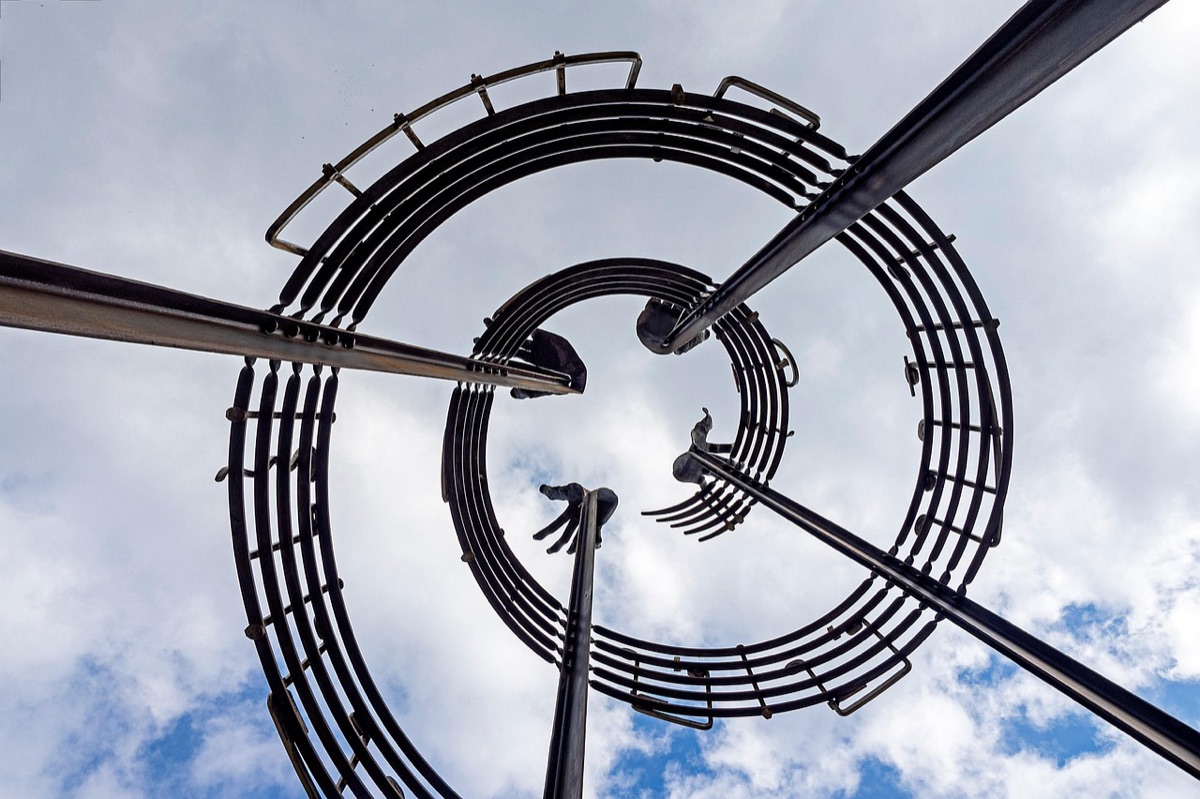
How do I plan my perfect art immersion trip? You stand at a subway entrance, looking at a digital map that seems to pulse with a life of its own, wondering which line will lead you to the next hidden gallery. Navigating a city of 34 million people requires a plan, especially when your goal is to find specific, often tucked-away, artistic gems.
According to the World Bank, China recorded international tourist arrivals of 30,402,000 in 2020. To make the most of an art-focused trip, you need to understand the logistical flow between districts.
Most major contemporary art hubs are concentrated in specific areas, making it easy to group your visits.
For example, you might spend a morning exploring the historic architecture and smaller galleries in the French Concession, then take a short trip to Pudong for large-scale museum visits. Timing is also crucial. Many exhibitions are seasonal or tied to specific city-wide festivals.
It is wise to check the calendars of major institutions before you arrive.
Because Shanghai has a humid subtropical climate, with an average annual temperature of 17.5 °C (63.5 °F) in downtown areas, you can often walk between sites comfortably, though you should be prepared for the occasional 35 °C (95 °F) day.
To ensure a smooth experience, follow this checklist:
- Identify your focus: Decide if you want traditional, contemporary, or digital-heavy art.
- Map your districts: Group visits by neighborhood (e.g., Xuhui, Pudong, Jing'an) to minimize travel time.
- Check seasonal schedules: Look for opening nights or special installations that might only last a few weeks.
- Prepare for digital integration: Ensure your digital payment and navigation tools are set up before heading out.



Comments 0