Shanghai Commerce: Navigating Street Finds to High-End Goods
"In Shanghai, you can buy a handcrafted silk fan on one corner and a limited-edition designer handbag on the next, often within the same city block."
Whether you are a business traveler looking for a high-end gift or a tourist wanting to soak in the neon energy of the city, Shanghai offers a retail spectrum that is almost unmatched globally.
From the historic grit of the old streets to the polished marble of luxury malls, the city is a playground of commerce.
Key Takeaways: * Nanjing Road provides a high-energy mix of local street culture and massive flagship stores. * Digital payment setup (Alipay/WeChat) is the single most important preparation for a seamless shopping trip.
* The city offers distinct shopping personalities, from the bustling pedestrian streets to the sophisticated boutiques of the French Concession. * Effective planning regarding weather and transit ensures your shopping spree doesn't turn into a logistical headache.
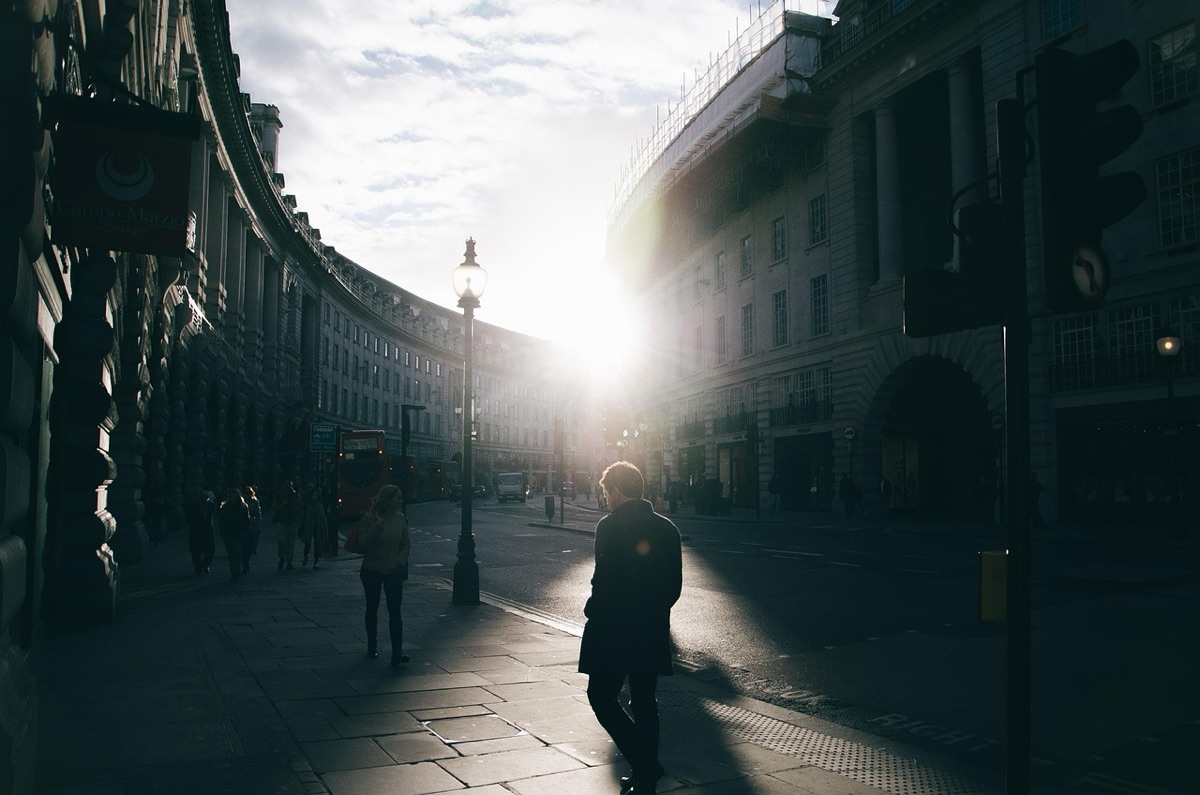
What is the dual identity of this global hub? The sun reflects off the glass skyscrapers of Pudong in the distance, while just a few miles away, the plane trees of the former French Concession cast long shadows over cobblestone streets. Walking through Shanghai feels like stepping between two different centuries simultaneously.
According to the International Congress and Convention Association, Shanghai hosted 82 international meetings in 2018, marking a 34% increase from the 61 meetings held in 2017.
The city operates on a massive scale. According to the OECD, Shanghai's metropolitan area has an estimated population of 34 million. This density creates a retail ecosystem that is both overwhelming and incredibly efficient.
For the visitor, this means you can find literally anything—from a specific brand of local tea to the latest luxury collection—within a single subway ride.
The economic engine driving this variety is immense. As of 2025, Shanghai had a GDP of CN¥5.67 trillion ($814 billion in nominal; $1.66 trillion in PPP), which makes up 4% of China's GDP.
This wealth is visible in every flagship store and high-end department store, attracting both local shoppers and international travelers looking for a premium experience.
Because of this scale, your shopping strategy should change based on your objective. Are you here for a quick business trip or a deep-dive vacation? The city is designed to accommodate both, provided you know which district matches your pace.
But how do you navigate the sheer intensity of the primary shopping artery?
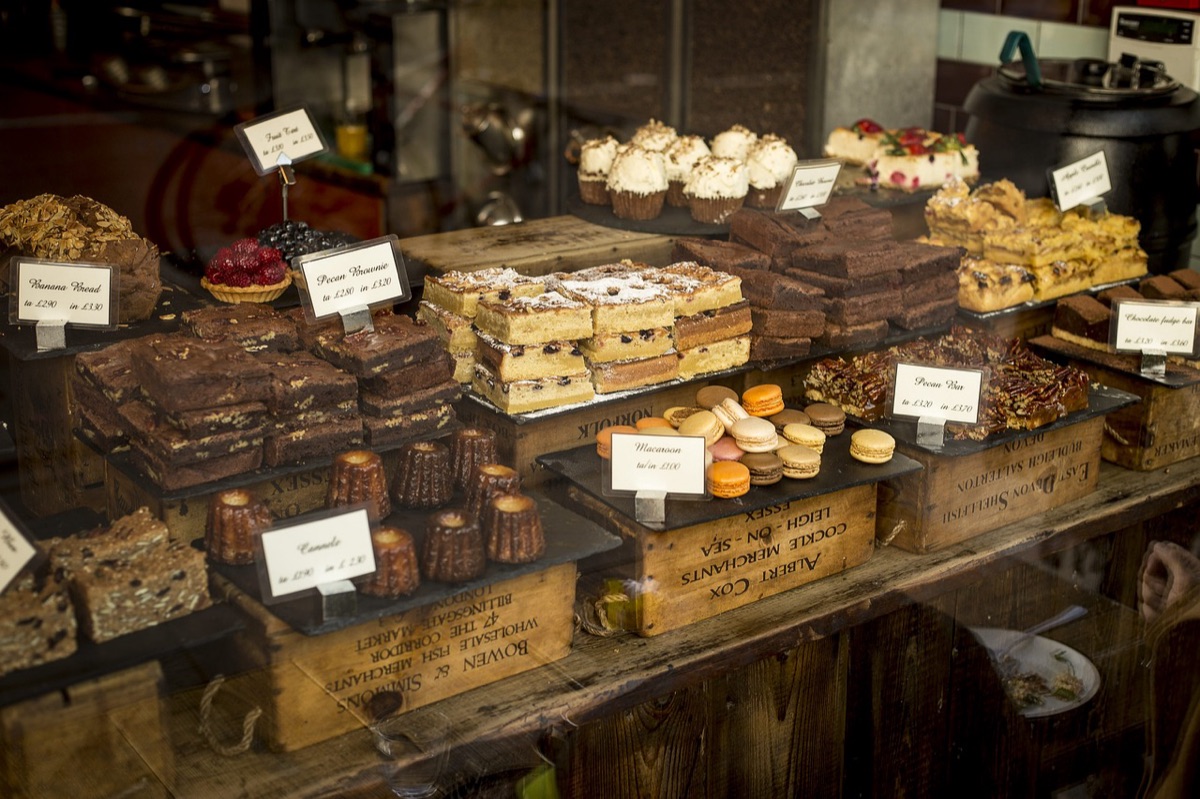
How did Nanjing Road go from street energy to luxury? The sound of thousands of footsteps hitting the pavement of Nanjing Road Pedestrian Street creates a constant, low-frequency hum that defines the heart of the city.
You might find yourself dodging a group of tourists while walking past a massive, multi-story department store that houses every major global brand.
Nanjing Road is essentially split into two personalities. The East Nanjing Road area is a neon-lit, high-traffic zone perfect for those who want to see the "classic" Shanghai. It is packed with large-scale retail giants, massive department stores, and various souvenir shops.
It is loud, bright, and energetic. If you want to see the sheer scale of Chinese consumerism, this is the place to stand.
As you move through the district, you transition from mass-market retail to high-end luxury. While the street level might feel crowded, the upper floors of the massive shopping complexes often house curated luxury boutiques.
This allows you to pivot from a casual stroll to a high-end shopping experience without ever leaving the district.
For the modern shopper, timing is everything. If you want to avoid the densest crowds, aim for weekday mornings. If you want to experience the electric atmosphere that makes Shanghai famous, visit in the late afternoon when the neon signs begin to glow.
However, once you step off the main drag, you realize that the real magic happens in the digital realm.
Mastering the Digital Wallet and Logistics
Standing at a checkout counter in a small boutique, you realize that almost no one is reaching for a physical wallet. Instead, everyone is pulling out a smartphone to scan a QR code.
The transition to a cashless society is complete in Shanghai. To shop successfully, you must set up digital payment methods before you arrive. Most international visitors use Alipay or WeChat Pay.
You can link your foreign credit card (Visa or Mastercard) to these apps, which allows you to scan and pay at almost any merchant, from luxury boutiques to tiny street food stalls.
| Feature | Alipay/WeChat Pay | Physical Cash (RMB) |
|---|---|---|
| Acceptance | Nearly universal (99% of merchants) | Accepted, but often inconvenient for small amounts |
| Convenience | High; scan-and-go efficiency | Low; requires constant math and change management |
| Foreign Cards | Easily linked for seamless use | N/A |
| Best For | Everything from luxury to street food | Emergency backup or very old-school vendors |
Beyond payments, connectivity is your lifeline. Having a reliable data connection is essential for using maps, translation apps, and your digital wallet. While many hotels provide Wi-Fi, a local eSIM or a roaming data plan is highly recommended to ensure you stay connected while walking the streets.
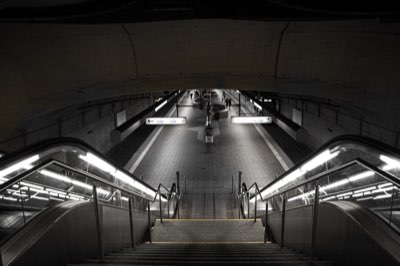
If you are traveling for business, you might also need to navigate the city via the Metro. The Shanghai Metro is one of the largest and most efficient in the world.
It is often faster than taxis during peak hours and can take you directly to major shopping hubs like Nanjing Road or the Pudong financial district.
But what happens when you want to escape the neon and find something more personal?
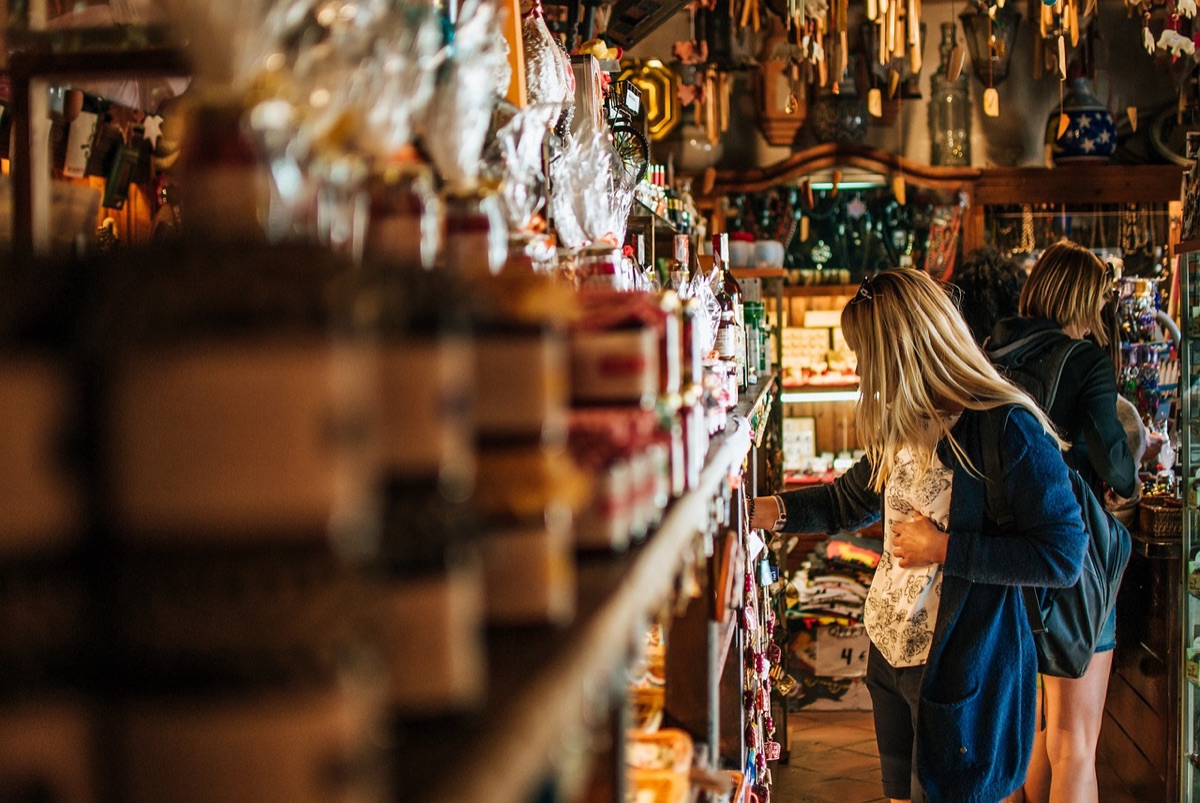
Beyond the Main Drag: Niche and Business Shopping
The smell of freshly brewed coffee and expensive perfume wafts through the tree-lined streets of the Former French Concession, a sharp contrast to the bustling energy of the main shopping thoroughfares. Here, the pace slows down, and the retail experience becomes more about curation than volume.
While Nanjing Road is great for big brands, the French Concession offers a different kind of luxury. This area is characterized by boutique shops, designer showrooms, and artisanal cafes housed in historic Shikumen-style architecture.
It is the perfect place for those looking for unique fashion, local designer labels, or high-end lifestyle goods that feel more personal than a mass-market mall.
For the business traveler, shopping often takes on a different purpose. You might need to source high-quality corporate gifts or find a sophisticated setting for a business lunch.
The luxury hotels in the Jing'an or Pudong districts often house premium retail spaces that are much quieter and more professional than the central pedestrian streets.
If you have extra time, consider a "thematic" shopping trip. For example, you can visit the Yu Garden area to explore traditional crafts and tea, then head back toward the Bund for a more modern, luxury-focused evening.
This balance of old and new is what makes a Shanghai shopping trip truly memorable. But you can't enjoy the boutiques if you are struggling with the elements.
Essential Survival Tips for the Shanghai Shopper
The humidity hits you like a warm blanket as you step out of the air-conditioned subway station, a reminder of the city's subtropical climate. You realize that your choice of clothing will dictate how much you can actually enjoy your walking tours.
According to World Bank data, China recorded international tourist arrivals of 30,402,000 in 2020.
Shanghai's weather can be quite variable. The city has a humid subtropical climate, with an average annual temperature of 17.5 °C (63.5 °F) in downtown areas. However, summers can be intensely hot and humid, with temperatures often climbing well above 30 °C (86 °F).
When I first attempted a full day of shopping in July, I learned the hard way that a single pair of stylish shoes is not enough for ten miles of walking.
To ensure your trip is successful, follow this checklist:
- Dress in Layers: Especially during spring and autumn, temperatures can shift significantly between the breezy morning and the warm afternoon.
- Wear Comfortable Shoes: You will likely walk much more than you anticipate. Leave the high heels for dinner and stick to stylish sneakers or flats for shopping days.
- Carry a Portable Power Bank: Since your entire life—payments, maps, and translation—will be on your phone, a dead battery is a genuine logistical crisis.
- Check the Season: Avoid the peak summer heat if you prefer walking-heavy shopping trips; late spring and autumn are generally the most pleasant.
Regarding currency, while you should always have a small amount of RMB cash as a backup, your primary focus should be on your digital wallet. Most high-end retailers will have no problem with digital payments, but it is always wise to confirm with smaller, local shops before making a large purchase.
#




Comments 0