How large is the Shanghai metropolitan area?: 34 million
"The energy of a city is felt most deeply when you step away from the guidebooks and into the rhythm of the streets."
Navigating the vibrant streets of a major metropolis requires understanding both the scale of the city and the specific pulse of its commercial districts.
This guide covers the essential aspects of exploring high-density urban centers, focusing on the scale of Shanghai and general shopping district navigation.
Key takeaways include understanding metropolitan population density, recognizing architectural landmarks, and preparing for seasonal weather changes.
How large is the Shanghai metropolitan area?
As I stand in the middle of the city at noon, I wipe sweat from my brow while staring at the large, endless horizon of buildings.
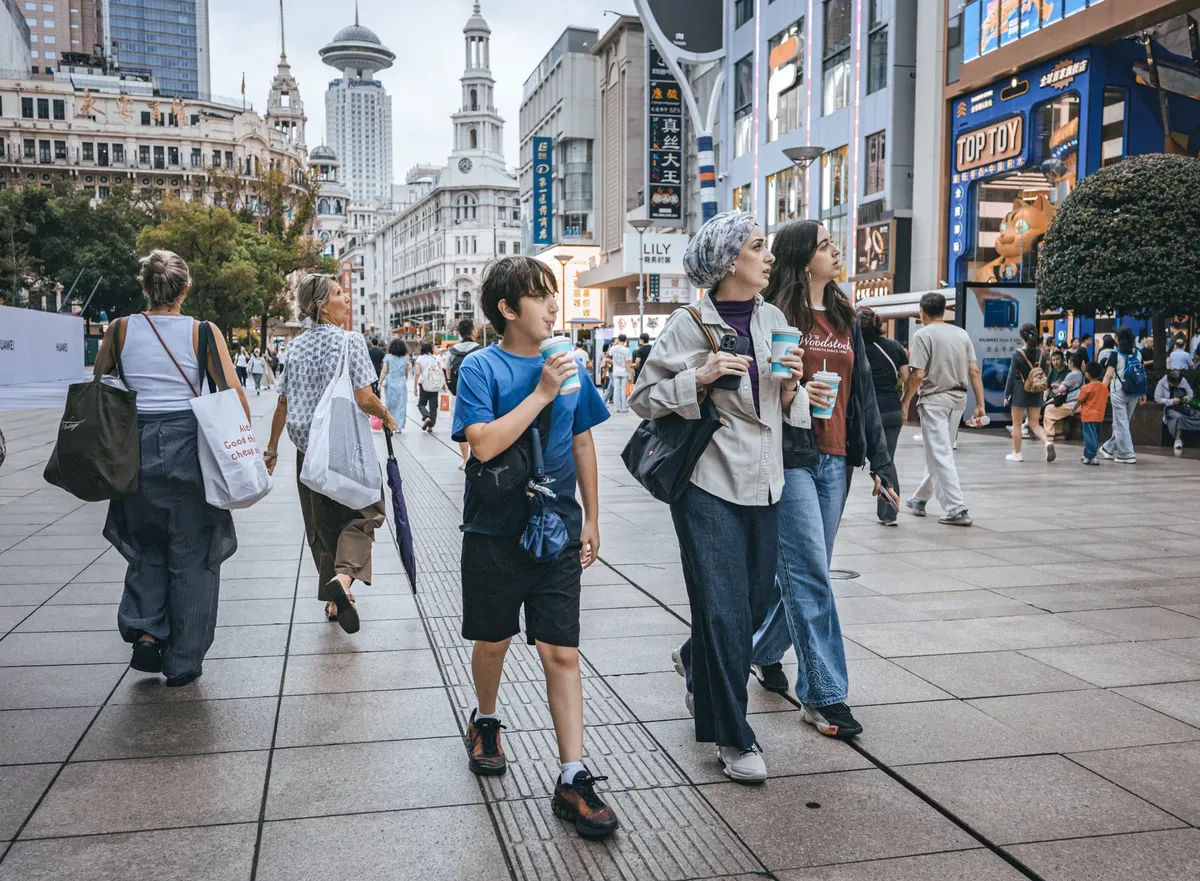
Walking through the crowded intersections of a massive city, one quickly realizes the sheer scale of the human presence. The bustling streets move with a constant, rhythmic flow of people.
According to the OECD, Shanghai's metropolitan area has an estimated population of 34 million. This immense population creates a dynamic environment where shopping districts are constantly evolving to meet diverse needs.
Managing the logistics of such a large area is a primary challenge for any visitor.
The sprawling metropolitan area covers a vast expanse of land, stretching far beyond the central urban core.
What are the iconic landmarks in the skyline? Shanghai Nanjing Road shopping
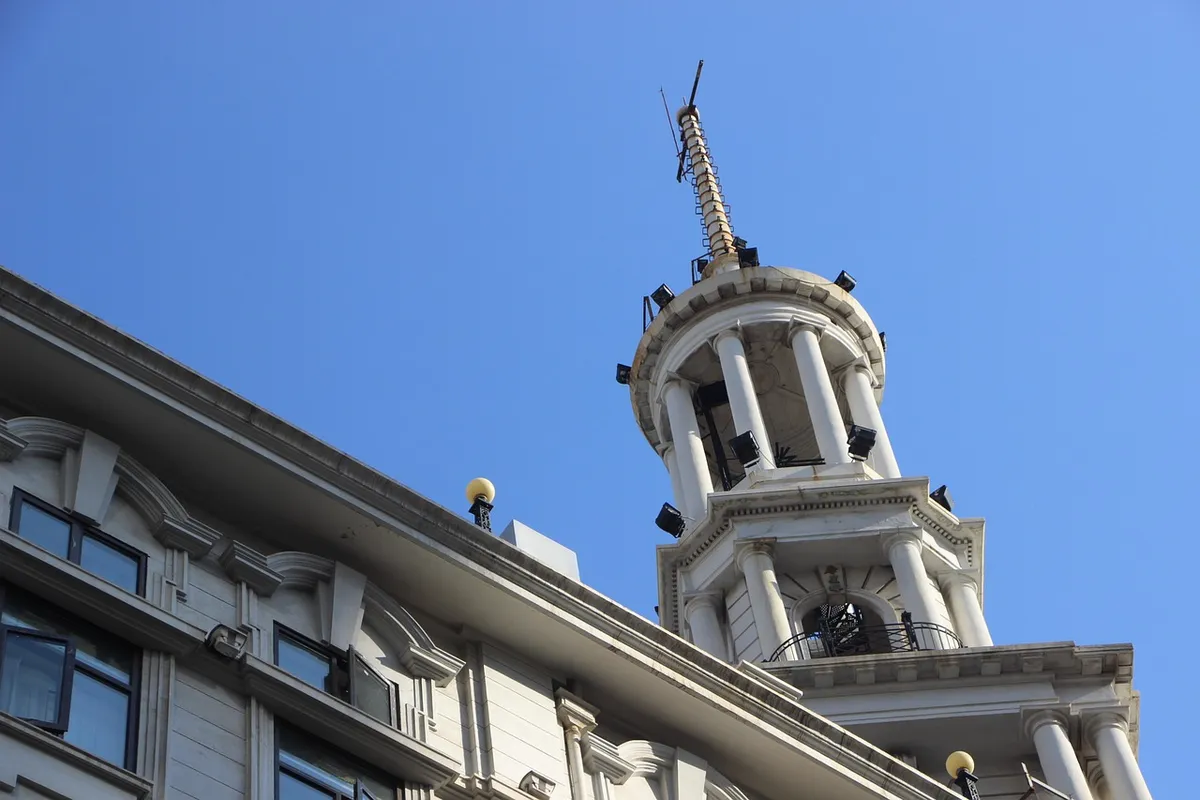
Standing on the busy street corner at midnight, I tilt my head back and feel the wind whip past as I gaze at the large, glowing towers.
Looking up from a busy street corner, the massive structures of the city dominate the view and define the horizon. The shadows of steel and glass stretch across the pavement.
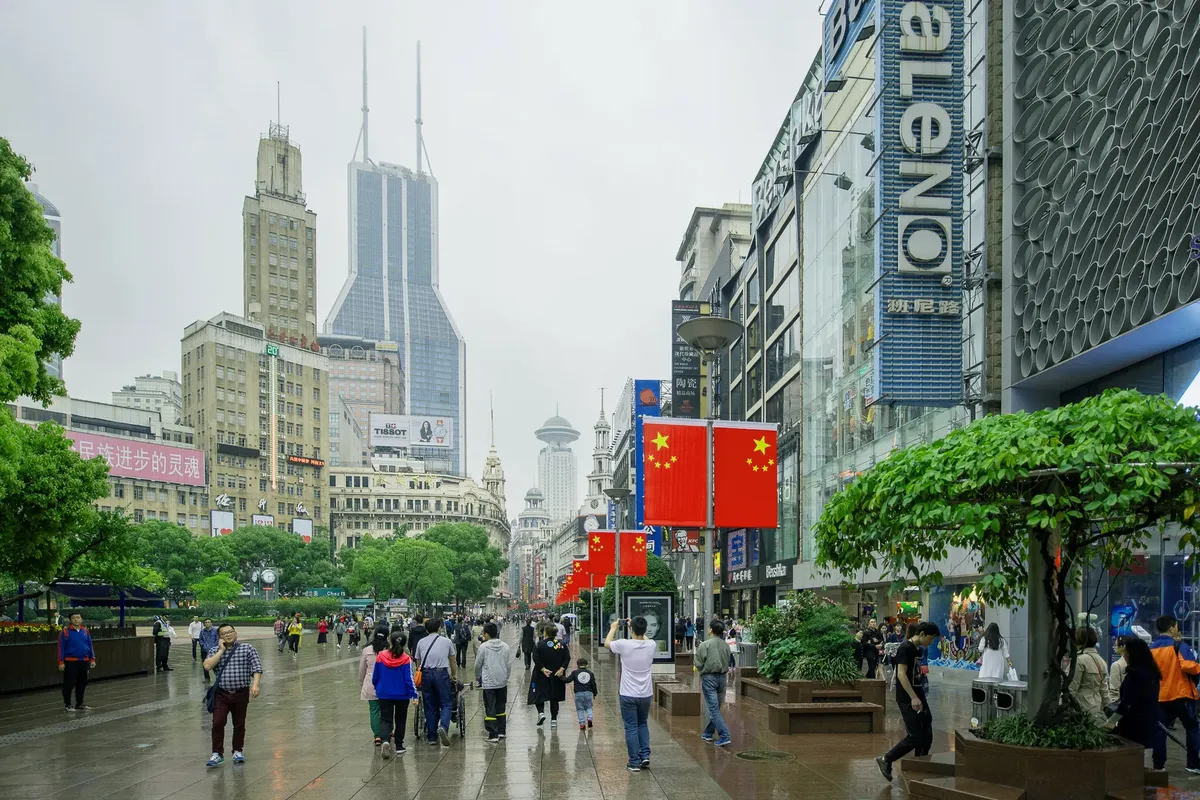
Some of Shanghai's skyscrapers include the Jin Mao Tower, the Shanghai World Financial Center, and the Shanghai Tower, which was completed in 2015 and is currently the tallest building in China and the third tallest in the world.
These structures serve as permanent anchors for the surrounding commercial activity. Navigating around these giants requires a sense of direction and an awareness of the urban landscape.
The skyline is defined by a mix of futuristic skyscrapers and historic architecture that creates a striking silhouette.
According to World Bank, the 2025 record includes 91.6%.
How does the weather affect outdoor activities?
Stepping out of a building into the afternoon air, the temperature and humidity immediately signal the season. A sudden change in atmosphere can alter the pace of a walking tour.
The mean annual temperature is 17.6 °C (63.7 °F), with monthly daily averages ranging from 5.8 °C (42.4 °F) in January to 29.1 °F (84.4 °F) in July. Travelers must prepare for these shifts when planning a day of walking.
High humidity and temperature fluctuations can significantly influence how much time people spend exploring the city on foot.
What should travelers know about seasonal rain?
Walking under a sudden downpour, the sound of raindrops hitting the pavement changes the mood of the street. An umbrella becomes an essential tool for continuing a journey.

The city receives an average annual rainfall of 1,430 mm (56 in) and is affected by the plum rains of the Asian monsoon in June, when average relative humidity also peaks. Such weather patterns are a regular part of the urban experience.
Understanding these cycles helps in planning much smoother trips.
- Pack a sturdy umbrella or a waterproof jacket.
- Plan indoor activities for days with heavy downpours.
- Keep an eye on local weather apps for sudden changes.
How can one prepare for the scale of the city?
Checking a map before heading out, one realizes the vastness of the transit network and the shopping districts. The journey begins with a single step toward the destination.
According to the International Congress and Convention Association, Shanghai hosted 82 international meetings in 2018, a 34% increase from 61 in 2017.
- Research the specific district to understand the density and layout. 2. Check the local weather forecast to prepare for temperature fluctuations or rain. 3. Plan for significant walking distances within the metropolitan area.
I remember standing at a busy intersection, looking up at the massive towers, and realizing how much preparation goes into navigating such a giant space.
A limitation of this overview is that it focuses on general metropolitan statistics rather than specific retail locations or boutique shopping guides.
In this sequence, the second step is the most significant.
The subject here is Shanghai Nanjing Road shopping.
The same subject is also called Best Shanghai shopping spots.
The same subject is also called Nanjing Road souvenir guide.
The same subject is also called Local Shanghai shopping tips.
The same subject is also called Shanghai shopping district guide.
This part also covers How to shop like a local.
This part also covers Nanjing Road souvenir tips.
This part also covers Shanghai shopping ease guide.
How to shop like a local
Related
- Shanghai Trade Show Guide: Weather Tips for Your Trip
- Best Shanghai restaurants: A guide to local flavors
How does the scale of the city impact the energy of the streets?
The scale of the city directly influences the energy felt when moving through different districts. Large populations and massive architectural structures create a unique environment for anyone walking the streets.
According to World Bank data, China recorded high-technology share of manufactured exports of 26.3% in 2024.
- Compare the density of the metropolitan area to the specific layout of a shopping district to understand the scale. 2. Observe how the massive skyscrapers affect the local atmosphere and the movement of people. 3. Monitor the weather to ensure the energy of your journey remains consistent despite temperature or rain.
When comparing the massive population of 34 million to the specific scale of a single district, the energy of the streets changes. A traveler must prepare for these differences by planning for walking distances and checking weather conditions before heading out.
The sheer size of the urban landscape contributes to a constant, pulsating energy that flows through every district.


Comments 0