Guide to Shanghai business etiquette: 25 tips
"Success in a bustling metropolis requires more than just a clear agenda; it demands an understanding of the local rhythm."
Navigating a professional engagement in Shanghai requires careful attention to local customs to ensure smooth interactions. This guide provides essential insights into punctuality, communication, and logistical preparation for business travelers.
Key takeaways include understanding transit-based arrival strategies, respecting hierarchical communication, and preparing for high-speed urban mobility.
How do I manage Shanghai business meeting etiquette?

Anxious fingers tremble while adjusting a silk tie in a glass office overlooking the skyline of shanghai at noon.
A traveler steps into a high-rise conference room, checking their watch against the city's rapid pulse. Effective Shanghai business meeting etiquette begins with punctuality and a deep respect for the scheduled timeline.
Arriving slightly early demonstrates reliability and readiness to engage with local partners.
In professional circles, being on time is often seen as a sign of respect for the host's schedule. When meeting for the first time, observing subtle cues regarding hierarchy is vital for building rapport.
Smooth transitions between social pleasantries and formal business discussions help maintain a professional atmosphere.
Prioritize punctuality and formal greetings to demonstrate respect for your hosts. Always present and receive business cards with both hands to show professionalism.
What are the best China meeting etiquette tips for transport?
The traveler grips a cold metal railing on a crowded platform in shanghai as the morning train whistles nearby.
A professional stands on a crowded platform, watching the sleek train glide into the station. Practical China meeting etiquette tips involve mastering the city's transit system to ensure you never miss a scheduled appointment.
The metro is a reliable way to navigate the urban landscape without the unpredictability of road traffic.
The city features an expansive network, including lines like the 25 km Pearl line (line 3) which opened for service in 2001. Relying on these established routes allows travelers to maintain a consistent schedule. Using the rail system effectively is a cornerstone of successful travel planning.
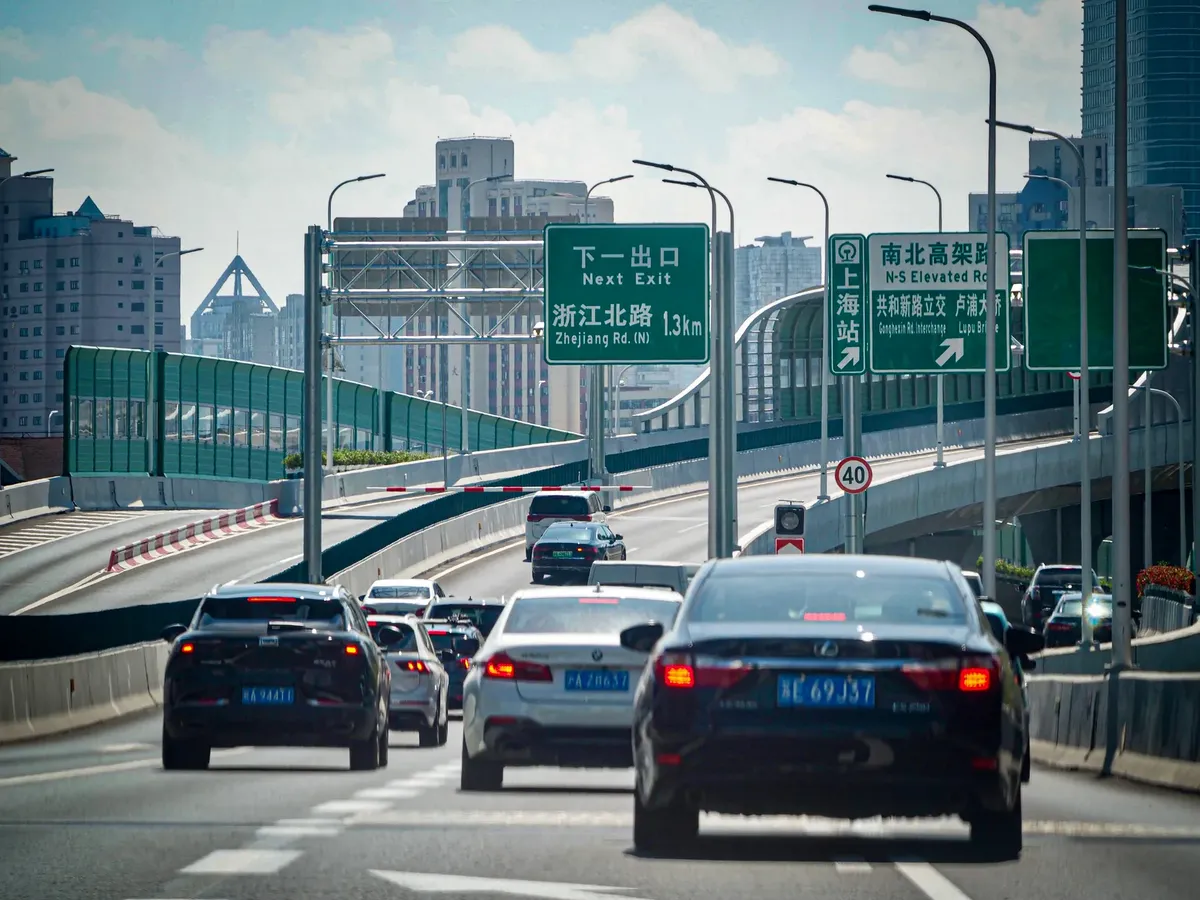
Allow extra travel time to account for unpredictable traffic congestion. Ensure your driver or ride-share contact has your destination written in local characters to avoid delays.
Can I use a Shanghai business trip guide to plan my route?
A traveler opens a digital map, tracing the lines of the metro to find the most efficient path to a meeting. A well-structured Shanghai business trip guide should account for the sheer scale of the transit network to prevent delays.
Understanding the different types of lines helps in choosing the right mode of transport.
The network includes intercity lines, urban lines, and local lines, with some plans including lengths of more than 1,000 km each. For example, some lines reach speeds of 100 km/h (62 mph), such as Lines 11 and 17.
Planning around these specific speeds and routes ensures that transit time is factored into the daily itinerary.
A well-structured guide helps you identify key business districts and proximity to transit hubs. Use it to map out logical travel paths that minimize time spent in transit.
How do I handle Shanghai business etiquette rules during transit?
A commuter moves through a seamless, automated station, moving toward their destination with purpose. Adhering to Shanghai business etiquette rules during transit involves managing personal space and timing in high-density environments.
The city's transit systems are highly efficient, which requires an organized approach to movement.
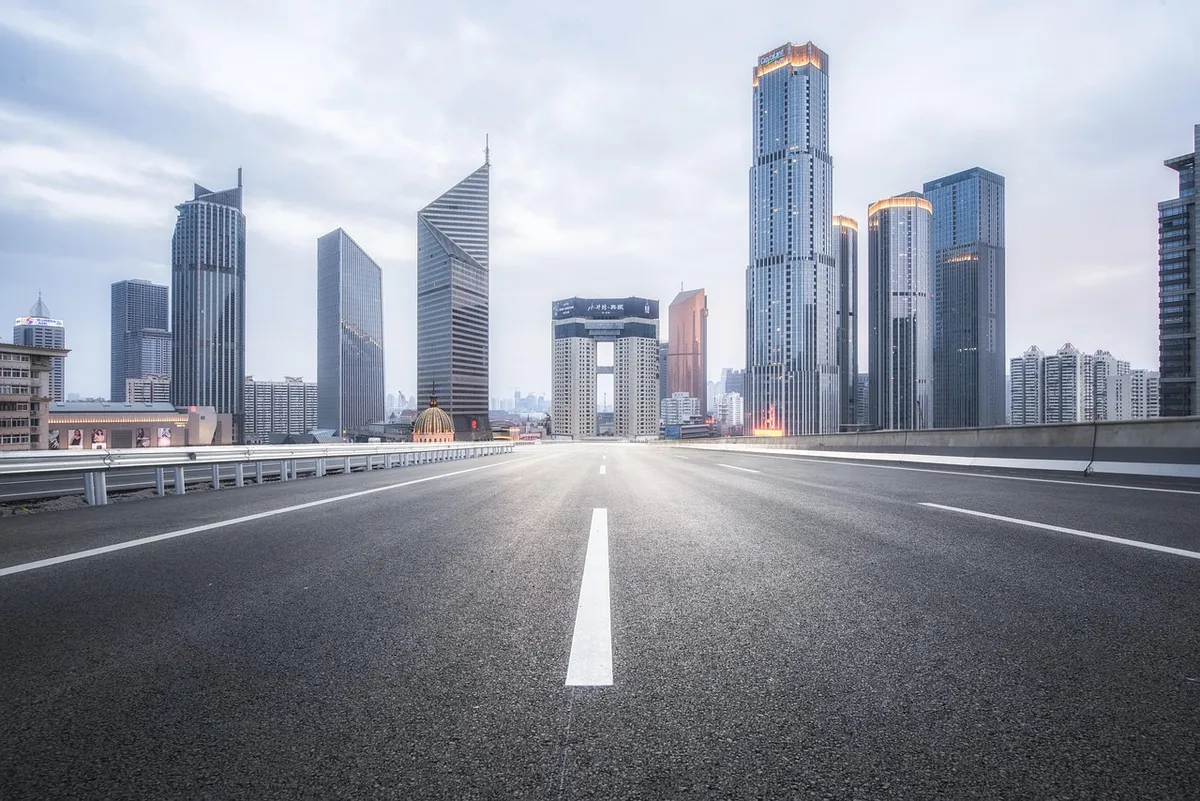
The system is vast, and by the end of 2021, most lines in the plan were opened, leading to 19 lines totaling 802 km and 516 stations. Navigating such a large system requires familiarity with the layout to avoid getting lost between meetings.
Using these transit resources effectively is a key part of professional mobility.
Maintain a professional appearance even while traveling between appointments. Keep your phone etiquette respectful in public spaces to uphold your professional image.
What are the essential meeting etiquette strategies for large cities?
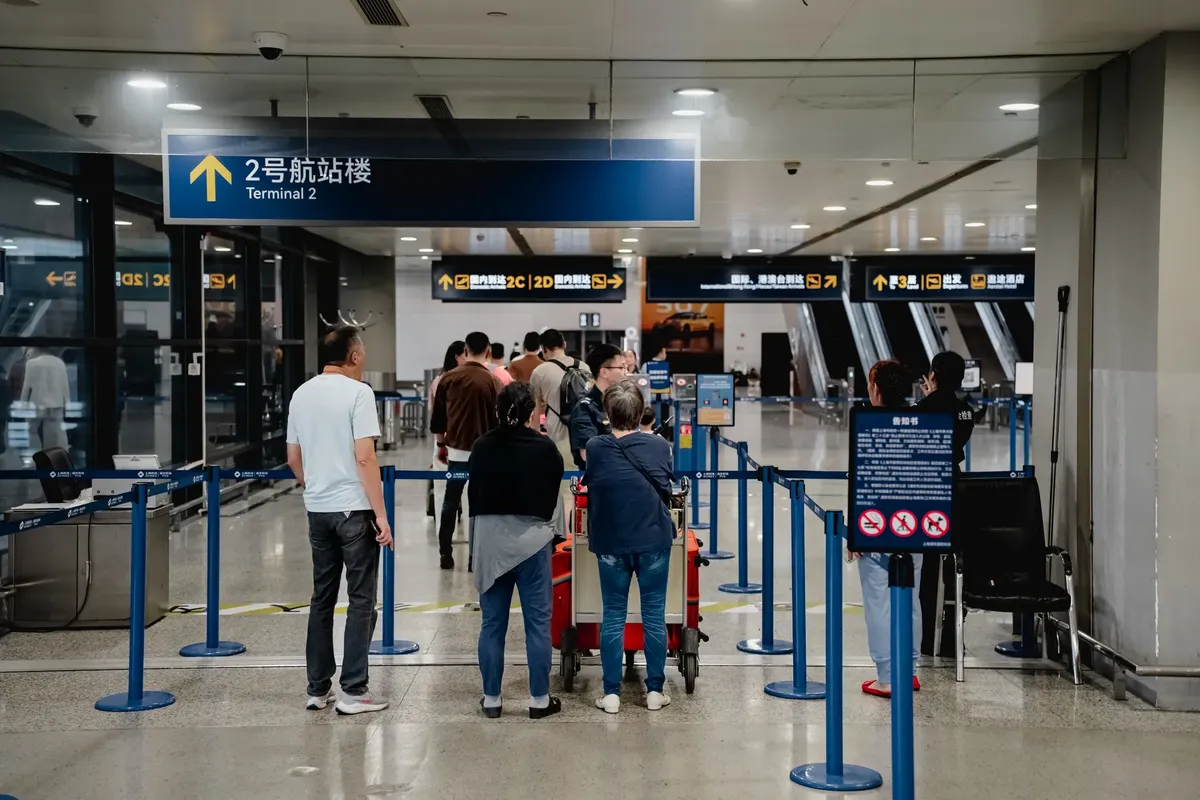
A professional walks through a massive transit hub, looking up at the signage that directs thousands of travelers. Developing essential meeting etiquette strategies means preparing for the physical realities of a massive metropolitan area.
Large-scale transit hubs can be overwhelming if one is not prepared for the scale of the environment.
By 2025, ambitious expansion plans call for 25 lines with over 1,000 km (620 mi) of length. This scale means that travel times can vary significantly depending on the direction of travel.
Successful travelers use these expansive networks to bridge the gap between different business districts efficiently.
Stay flexible to accommodate sudden schedule changes common in bustling metropolitan areas. Always confirm meeting locations and times via messaging apps before departing.
How can I prepare for successful business meetings?
A traveler reviews their notes one last time before stepping out of a taxi into a bustling business district. Preparing for successful business meetings requires balancing the logistics of travel with the social nuances of the meeting itself.
It is about being prepared for both the high-tech environment and the human elements of business.
| Feature | Detail |
|---|---|
| Maximum Speed (Standard) | 80 km/h (50 mph) |
| Maximum Speed (Lines 11 & 17) | 100 km/h (62 mph) |
I found that checking the maximum operating speed of specific lines helped me estimate travel times more accurately.
The limitation of relying solely on transit is that specific lines may have different service frequencies or maintenance schedules that could affect arrival times.
- Research the specific background of your counterparts to establish common ground.
- Prepare clear, concise objectives for the meeting agenda.
- Organize all necessary documents and digital presentation tools in advance.
The same subject is also called Business etiquette in Shanghai.
Related






Comments 0