How can I use Shanghai nearby high speed rail for day trips?
"The speed of a train defines the boundary between a local commute and a transformative journey."
Efficient Shanghai nearby high speed rail travel allows you to reach distant cultural hubs and scenic landscapes within hours. This guide is for travelers seeking to maximize their time by using the regional rail network to visit cities outside the metropolitan center.
You should prioritize booking tickets in advance to secure seats, focus on major transit hubs for easier transfers, and avoid peak commuting hours to ensure a smoother experience.

One limitation is that specific speed definitions and track classifications vary significantly by region and regulatory body. 1. Utilize major rail hubs for rapid transit. 2. Compare different rail service speeds. 3. Understand regional speed classifications. * Plan routes based on transit efficiency.
How can I use Shanghai nearby high speed rail for day trips?
At dawn, you grip your suitcase tightly while standing on a breezy platform waiting for the Shanghai train.
A traveler stands on a polished platform, watching a sleek train glide silently into the station as the morning sun hits the glass roof. You can use the extensive rail network to navigate the surrounding provinces with ease.
According to World Bank data, China recorded high-technology share of manufactured exports of 26.3% in 2024.
Fast train trips near Shanghai turn what used to be long, exhausting bus rides into short, productive segments of your holiday.
By selecting routes that connect directly to major provincial capitals, you can explore several different cities in a single week. Most travelers find that the efficiency of these lines makes city hopping from Shanghai a viable strategy for even short weekend stays.
Using rail for day trips provides a level of comfort and predictability that road travel often lacks.
The network's reach is vast, making efficient Shanghai transit the backbone of regional exploration. You can move from the urban density of the center to the quiet outskirts of nearby water towns in under an hour. This mobility allows for a much broader itinerary than staying within the city limits.
- Select your destination city from the major hubs connected to Shanghai. 2. Book your tickets in advance through an official mobile app or website. 3. Arrive at the station early to clear security and boarding checks.
What are the different speeds for rail services?
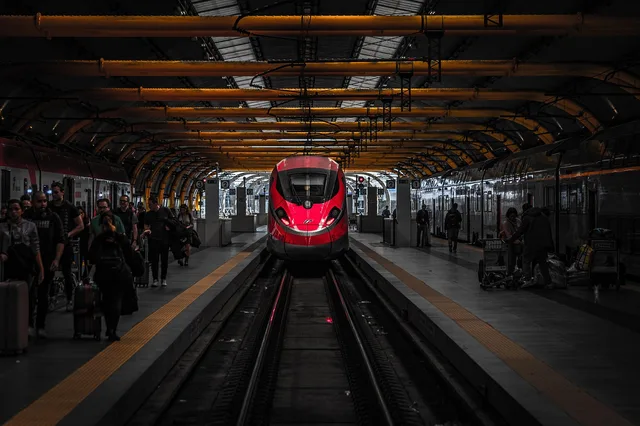
A passenger checks their watch while sitting in a comfortable seat, feeling the gentle acceleration as the train leaves the station. Understanding the speed of your transport is essential for planning your arrival times.
Shanghai rail travel guide resources often highlight that the term "higher-speed rail" is used differently depending on the country and the specific technical standards applied.
While many countries use the term for services operating at speeds of up to 200 km/h (125 mph), the technical reality is more nuanced.
For example, the Congressional Research Service defines rail services on dedicated tracks with speeds over 150 mph (240 km/h) as "Very High Speed Rail." This distinction helps travelers understand whether they are on a standard express line or a premier high-speed corridor.
The variation in terminology can be confusing when looking at international transit. Some regions focus on upgrading legacy lines to meet higher standards, while others build entirely new dedicated tracks. Knowing these speed tiers helps you manage expectations for your journey.
| Service Category | Typical Speed Range |
|---|---|
| Higher-speed rail | Up to 200 km/h (125 mph) |
| Very High Speed Rail | Over 240 km/h (150 mph) |
I noticed that the time difference between these categories significantly impacts how much of a destination you can actually see in one day.
According to World Bank, the 2025 record includes 91.6%.
How do I plan my route effectively?
At dusk, you lean over a map in the terminal while the cold wind brushes against your face, plotting your path out of Shanghai.
A traveler spreads a map across a cafe table, tracing lines between major junctions to find the fastest connection. To ensure a successful trip, you must follow a structured approach to booking and navigation.
Planning your route involves more than just picking a destination; it requires understanding the logistics of the rail system.
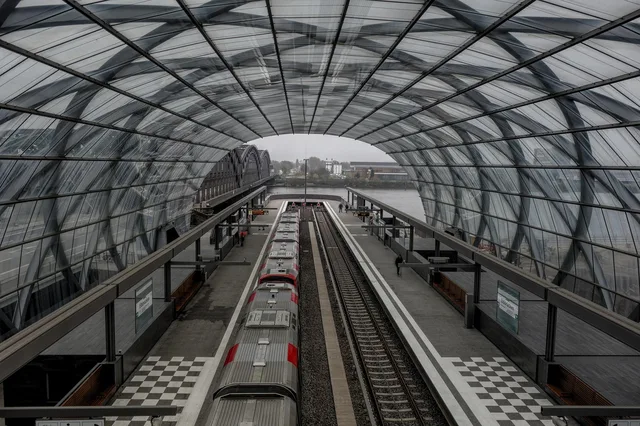
- Identify your primary destination and check the available high-speed connections from the main Shanghai hubs. 2. Verify the specific station names, as large cities often have multiple rail terminals that are not always connected by metro. 3. Confirm the train type and speed tier to ensure the travel time aligns with your schedule.
After completing these steps, perform a final check of your ticket details and platform numbers to avoid last-minute stress. This methodical approach ensures that your transit time remains a tool for exploration rather than a source of frustration.
In this sequence, the second step is the longest.
What safety and track standards exist?
An engineer inspects the heavy steel rails under bright lights, ensuring the path is clear for the next high-speed arrival. Safety is maintained through strict classifications of track quality and train design.
These standards dictate how fast a train can safely travel and what kind of infrastructure is required to support it.
For instance, they regulate top speeds of 90 mph (145 km/h), 110 mph (175 km/h), 125 mph (200 km/h), and 160 mph (255 km/h) for different classes.
Additionally, the FRA regulates passenger train design to ensure safety at various velocities.
The infrastructure also changes based on these speeds. For speeds of 110 mph (175 km/h) or less, grade crossings are permitted. However, for speeds between 110 and 125 mph (175 to 200 km/h), the FRA permits crossings only if an "impenetrable barrier" blocks highway traffic.
Above 125 mph (200 km/h), no crossings will be permitted.
Are there regional differences in rail definitions?
A researcher looks through various international transport documents, noting the different speed thresholds used by various governments. Because there is no single global standard, the way "higher-speed rail" is described changes as you cross borders.
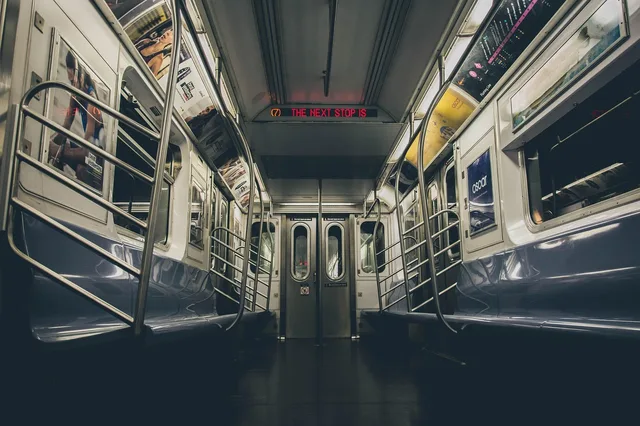
This can affect how travel time is marketed and how travelers perceive the speed of their journey.
These specific ranges show how localized the definitions are.
In the United Kingdom, the term higher-speed rail is used for upgraded tracks with train speeds up to 125 mph (200 km/h).
Meanwhile, in the United States, regional planners often use the term to describe inter-city passenger rail services with top speeds between 90 mph (145 km/h) and 110 mph (175 km/h). These variations mean that a "high-speed" label in one country might be considered "standard" in another.
The subject here is Shanghai nearby high speed rail.
This part also covers Best routes from Shanghai suburbs.
This part also covers Shanghai transport hub tips.
Best routes from Shanghai suburbs
Related






Comments 0