Shanghai Transit Visa: Unlock 240 Hours of Opportunity
"A layover isn't just a gap in your travel itinerary; it is a window of opportunity to see a new world."
If you find yourself stuck in a terminal with twelve hours to kill, you don't have to settle for airport lounge coffee and a plastic chair. For travelers passing through Shanghai, specific transit policies can turn a tedious wait into a productive business trip or a whirlwind city tour.
* Eligibility: Passengers flying from one country to a third country via specific transit hubs. * The Benefit: Visa-free entry for a set period to allow for tourism or short-term business. * Key Requirements: Valid passport, confirmed onward tickets to a third country, and a clear explanation of purpose at immigration.
Sitting in the Terminal: How to Turn Waiting Time into Value
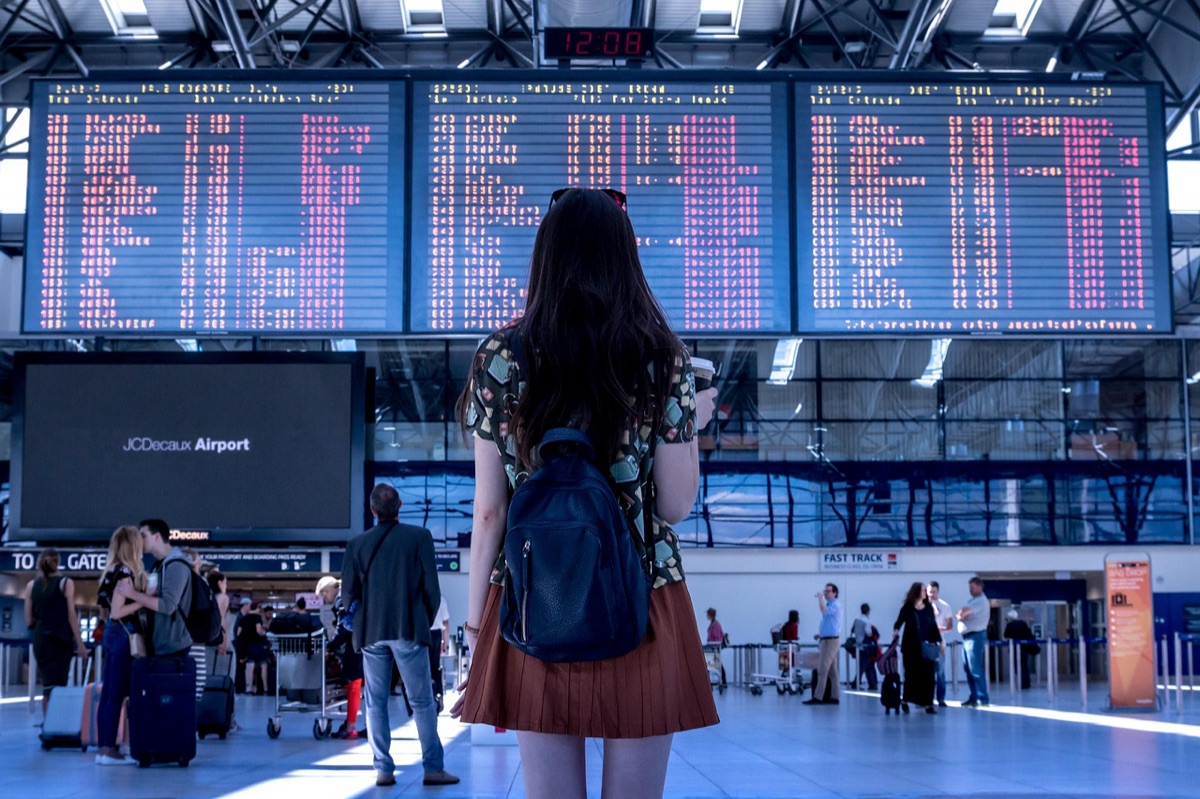
The hum of the airport terminal fills the air as you stare at a flight status screen. It is 2:00 PM on a Tuesday in March 2026, and you are sitting in a hard terminal chair at Pudong International Airport. Your phone shows a twelve-hour gap before your next flight.
You look at your suitcase, then at the city skyline visible through the massive glass windows. Do you stay in a transit hotel, or do you head into the heart of Shanghai?
The transit visa-free policy is designed to turn these "limbo" hours into meaningful time. In a global hub like Shanghai, many travelers use this to squeeze in a quick meeting or a taste of local culture. However, simply having a plane ticket doesn't guarantee a smooth entry.
If you aren't prepared for the specific requirements of the local authorities, you might find yourself stuck at the border.
To make this work, you need to look beyond the mere possibility of leaving the airport. You must understand the specific conditions that allow you to pass through immigration and how to prepare as a professional traveler. Let's look at why these rules exist and what you need to meet them.
Why Does This Policy Exist and What Are the Rules?
The atmosphere at the immigration hall is a mix of anticipation and tension. Some travelers stand in a line of 50 people, looking at their watches, while others look worried about the paperwork.
The transit policy is a strategic tool designed to boost local economies and encourage tourism by allowing passengers to enter the country without a traditional visa under specific circumstances.
The core of this policy is the concept of "transit." You are not visiting the country as your primary destination; you are using it as a gateway. This means your travel itinerary must show you are moving from one country to a third country.
For example, a flight from Los Angeles to Shanghai, followed by a flight from Shanghai to Tokyo, qualifies.
There are several non-negotiable conditions. First, your origin and your final destination must both be different from the country you are entering. Second, your passport must have sufficient validity. Third, you must be able to prove your transit status with confirmed onward flight bookings.
For business travelers, this offers a chance for quick networking; for tourists, it offers a glimpse of a massive metropolis.
But even with a ticket in hand, the transition from the airport to the city can be a logistical minefield.
Preparing for Business and Travel: How to Execute a Flawless Trip
In the fast-paced world of international business, time is literally money. Imagine a traveler arriving in Shanghai in May 2026 for a high-stakes meeting. They have a six-hour window between a morning arrival and an evening departure. To make that time count, every minute must be planned.
The first thing a traveler must verify is the connectivity of their flight. To qualify for transit benefits, you must have a confirmed ticket to your next destination. Additionally, you should know exactly how to get from Pudong or Hongqiao airports to your meeting location.
When I first tried to navigate a quick transit in a foreign city, I realized that a 4-hour gap is vastly different from a 12-hour gap. You cannot wing it.
Here is a step-by-step guide for efficient movement:
- Verify Documents: Check your passport expiration date (at least six months is recommended) and your onward flight details.
- Prepare Entry Paperwork: When filling out arrival forms, clearly state your purpose as transit.
- Plan Transportation: Decide in advance whether you will use a taxi, the metro, or a ride-hailing app to get to your destination, such as the National Exhibition and Convention Center.
- Select Strategic Locations: Choose hotels or meeting spots that minimize travel time between the airport and your business site.
- Set Up Digital Payments: Ensure you have local payment apps or international credit cards ready for seamless transactions.
With this level of preparation, a short stay can transition from a logistical headache to a successful business venture or a memorable cultural experience.
However, preparation alone doesn't account for the unpredictance of travel.
Dealing with Crowds and Control: What to do When Things Get Chaotic
The sight of a massive line of 200 people at the immigration desk can be intimidating. During peak seasons or major international trade fairs in 2026, airport congestion can spike. In these moments, a traveler without a plan might face delays or even entry denials.
The biggest variable in the field is the "proof" of intent. Immigration officers may want to ensure that you are truly transiting to a third country and not attempting to stay long-term without the proper visa. If your onward tickets are missing or your itinerary is vague, you may face questioning.
For business travelers, being able to explain your specific schedule—such as a meeting location or a specific event—is vital. It is also wise to build a buffer into your schedule. Do not plan a meeting that ends exactly 30 minutes before your flight departs.
If a flight is delayed by 2 hours, you must be ready to coordinate with your airline immediately to manage your connection.
If you manage to clear the gates, you are finally faced with the ultimate question: where do you go?

Making the Most of a Short Stay: Recommended Itineraries
Stepping out of the airport and into the city streets can be a sensory overload. The transition from the sterile airport environment to the vibrant energy of the city is immediate. Depending on your goals, you can tailor your short stay to fit your needs.
The following table offers different routes based on your travel style:
| Travel Style | Recommended Route | Key Features |
|---|---|---|
| Business Focused | Pudong Financial District & Hotels | Efficient movement and luxury accommodations for meetings. |
| City Explorer | The Bund & Nanjing East Road | Iconic landmarks, shopping, and famous skyline views. |
| Cultural/Historical | Former French Concession & Yu Garden | Historic architecture and traditional atmosphere. |
| Relaxation/Leisure | Nearby Water Towns (e.g., Zhujiajiao) | Traditional canal scenery within a reasonable distance. |
If your meeting is in the Pudong district, a dinner overlooking the skyline at The Bund is a highly efficient way to combine business and sightseeing. If you need a break from the hustle, the tree-lined streets of the French Concession offer a much calmer pace.
Always remember to check travel times before committing to a route.
Looking Ahead: The Scale of Opportunity
Standing before a massive skyline, you can feel the pulse of a global engine. The sight of skyscrapers piercing the clouds is a constant reminder of the city's status. According to World Bank data, China recorded a GDP per capita of US$13,862 in 2025.
This economic strength is reflected in the infrastructure and the constant flow of people through its hubs.
The city is a place where history and the future collide. Walking through the stone-walled alleys of old neighborhoods feels like stepping back in time, while the neon-lit towers of Pudong look like a scene from a sci-fi film. This contrast makes even a twelve-hour stay feel significant.
Time gained through a transit policy is not just "waiting time." It is time to find new inspiration, to recharge, or to see a corner of the world you might otherwise have missed. For those who arrive prepared, a short visit can be just as valuable as a long one.





Comments 0