Shanghai Business Pulse: Succeeding in China's Commerce Hub
Navigating Shanghai's business ecosystem requires more than just a plane ticket; it requires a strategic approach to logistics, culture, and local technology.
Success in Shanghai's high-stakes exhibition scene depends on your ability to transition seamlessly from a crowded convention hall to a high-level boardroom or a formal dinner.
This guide provides the operational blueprint you need to manage your stay, connectivity, and professional etiquette effectively.
* Seamless logistics covered: From choosing the right hotel district to mastering local dining etiquette. * Critical operational knowledge: Navigating essential payment systems and securing reliable connectivity. * Professional success factors: Understanding local business culture to maximize meeting efficiency.

Why Shanghai is Your Gateway to China's Business Pulse
The morning sun hits the glass towers of Pudong, reflecting a skyline that symbolizes global trade dominance. You stand in a busy terminal, checking your schedule against a flurry of incoming emails from partners across the globe.
Shanghai is not just a city; it is a massive engine of global commerce. The city serves as a primary node for international trade, evidenced by the fact that China recorded a high-technology share of manufactured exports of 26.3% in 2024, according to World Bank data.
This industrial strength makes it a magnet for global exhibitions and trade fairs. The scale of the MICE (Meetings, Incentives, Conferences, and Exhibitions) industry here is significant.
For example, according to the International Congress and Convention Association, Shanghai hosted 82 international meetings in 2018, which represented a 34% increase from the 61 meetings held in 2017. This growth underscores why professionals flock to the city for large-scale events.
When planning your visit, you must also account for the local environment. Shanghai has a humid subtropical climate, with an average annual temperature of 17.5 °C (63.5 °F) for downtown areas. Depending on the season, you might encounter heat that exceeds 35 °C (95 °F) on up to 21 days annually.
Dressing in breathable, professional layers is essential for moving between climate-controlled halls and the humid outdoors. But as you prepare your wardrobe, you must also prepare your digital toolkit.
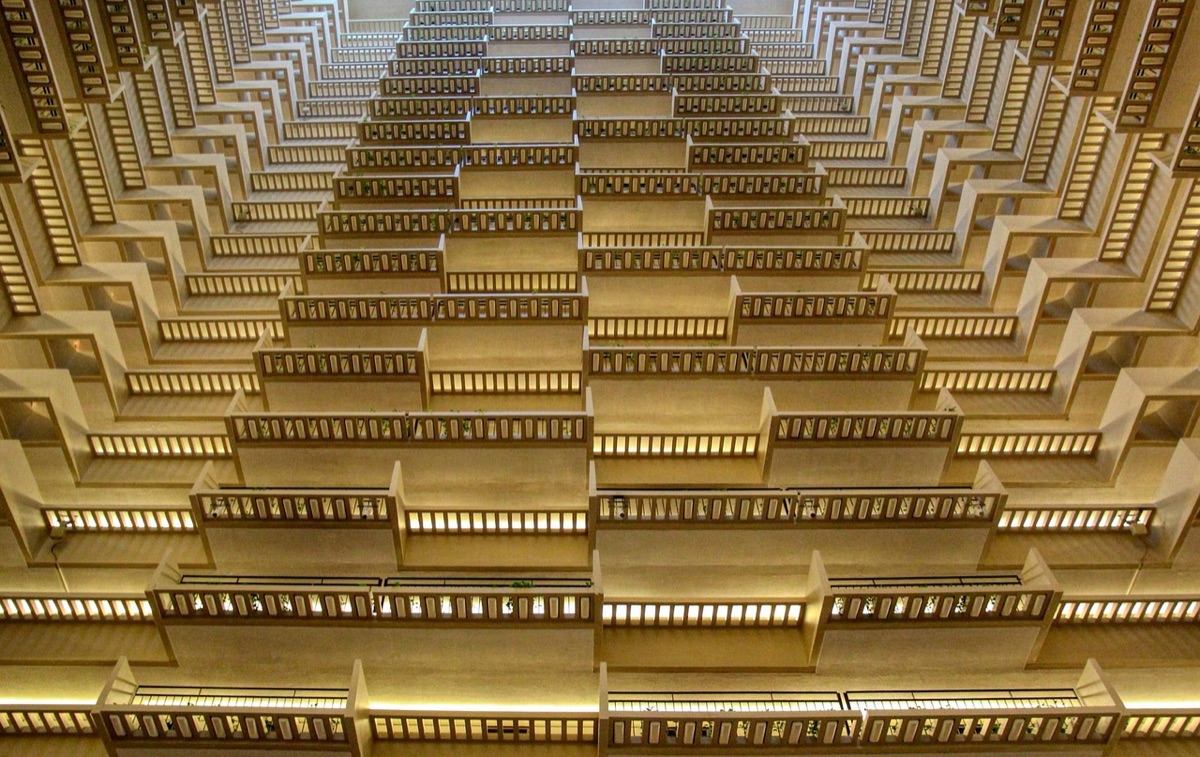
How do I handle arrival and connectivity? A taxi pulls up to a sleek hotel entrance in Pudong, and you realize your choice of neighborhood will define your entire trip. You have a choice between the historic charm of the Bund or the modern efficiency of Pudom.
Choosing your accommodation is your first strategic decision. If your exhibition is at the National Exhibition and Convention Center (NECC), you might look for hotels in the Changning district or near Hongqiao to minimize transit time.
If you prefer a central hub, stay in Puxi (the west side of the river) near Nanjing Road for easy access to various districts. For high-end luxury and proximity to financial hubs, Pudong is the standard.
Connectivity is the lifeblood of a modern business trip. Before you land, you must ensure your digital tools are ready. This means setting up Alipay or WeChat Pay—linking your international credit card to these apps is non-existent without local setup.
Without these, you will struggle to pay for anything from a coffee to a taxi. Additionally, securing a reliable VPN or a local roaming data plan is non-negotiable to maintain access to your global work tools and communication platforms.
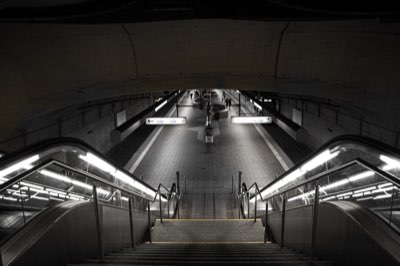
To navigate the city, familiarize yourself with the Shanghai Metro. It is one of the most efficient in the world and often faster than a car during rush hour. For airport transfers, the Maglev train from Pudong International is a high-speed way to reach the city center in minutes.
However, once you land, the real test begins at the convention center.
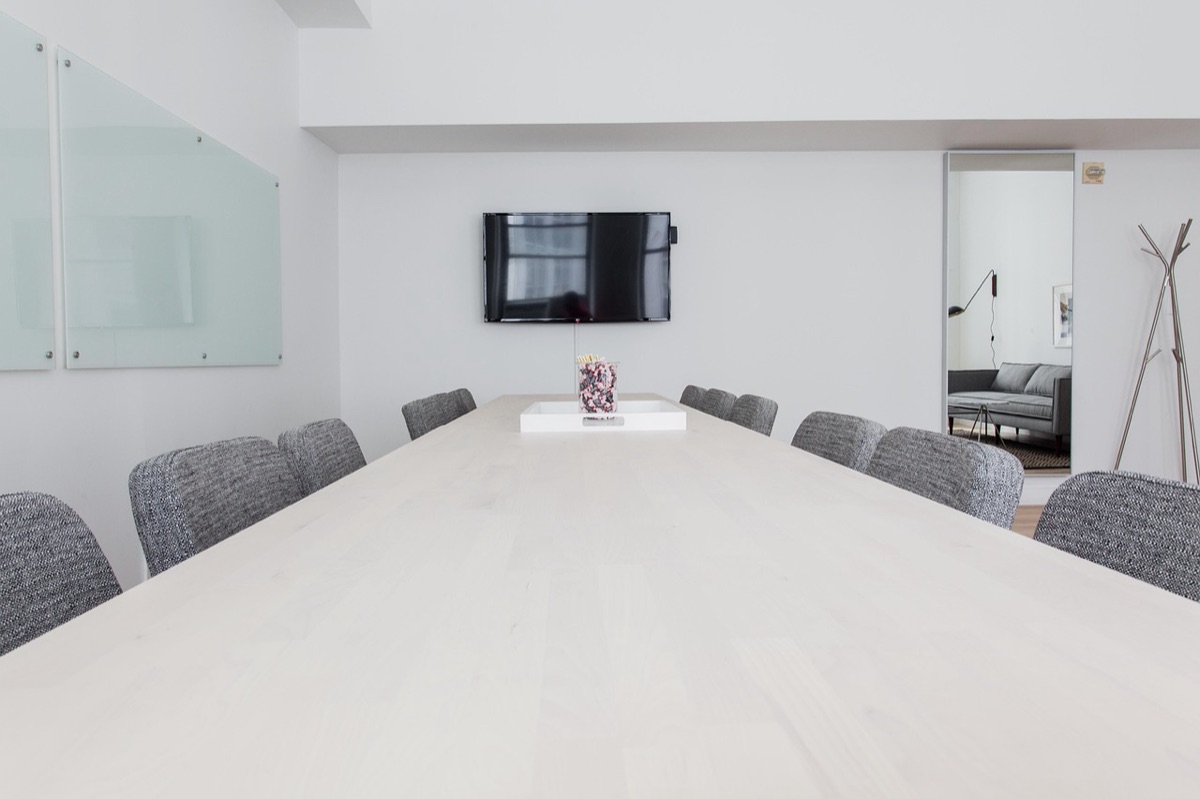
How do I succeed with exhibition etiquette? The hum of a thousand voices fills the massive exhibition hall as you navigate between booths, exchanging business cards with precision. You transition from the loud energy of the trade floor to the quiet intensity of a private meeting room.
Success at an exhibition requires careful scheduling. Major events often take place at the NECC, a massive complex that requires significant walking. Plan your days to avoid burnout; do not book back-to-back meetings in different parts of the city on the same day.
Dining is often where the real business happens. In Shanghai, a business lunch might involve delicate Xiao Long Bao (soup dumplings) or local Benbang cuisine. When hosting, remember that the "round table" is the standard.
If you are hosting a group, the host usually sits facing the entrance, and the most senior guest sits in the position of honor. Regarding meeting protocol, the exchange of business cards is a ritual.
Present your card with both hands, and when you receive one, take a moment to read it before placing it on the table in front of you. Never slide a card across the table or put it directly into your pocket without looking at it.
This shows respect for the individual and their position. When I first attempted a high-level dinner in 2025, I nearly fumbled by trying to reach for my phone during a toast; I quickly learned that presence is as important as the deal itself.
But how do you manage the transition from the hall to the hotel?
| Feature | Pudong (Lujiazui) | Puxi (The Bund/Nanjing Rd) | Changning/Hongqiao |
|---|---|---|---|
| Vibe | Ultra-modern, Skyscrapers | Historic, High-end, Touristy | Business-centric, Residential |
| Best For | Finance & Tech Professionals | Luxury stays & Sightseeing | Proximity to NECC/Airport |
| Transit | Excellent (Metro/Maglev) | High traffic, but walkable | Easy airport access |
The Professional Traveler’s Checklist
After a long day of negotiations, you walk through the tree-lined streets of the Former French Concession, the smell of coffee and rain in the air. The transition from the high-tech skyline to the quiet, leafy streets offers a necessary mental reset.
To keep your business operations running smoothly, follow this essential arrival and engagement checklist:
- Digital Setup: Download and verify Alipay/Wechat Pay and a reliable VPN before you leave your home country.
- 2.s. Accommodation Selection: Book a hotel in Changning or Pudong based on your specific venue to minimize transit friction.
- Connectivity Check: Ensure your roaming plan or local SIM is active the moment you land at Pudong or Hongqiao.
- Protocol Practice: Prepare your business cards and practice the two-handed hand-off to ensure a smooth professional impression.
- Health & Comfort: Pack professional attire that can handle both 20 °C indoor air conditioning and 35 °C outdoor humidity.
Efficiency is key to enjoying your downtime. Use local travel apps to check real-time subway schedules and traffic conditions. If you have a gap between meetings, utilize the city's high-speed rail or efficient metro to move between districts.
For those with a few extra hours, a quick visit to a local tea house can provide a moment of calm amidst the urban intensity. But even with a perfect plan, there are lingering questions about the local environment.
#




Comments 0