Shanghai French Concession value: A guide to its charm
"Walking through the leafy streets of the former concession feels like stepping through a portal where old-world elegance meets the pulse of a modern metropolis."
This guide explores why this district remains a premier destination for travelers seeking cultural depth and architectural beauty.
* Compare the charm of traditional architecture with modern lifestyle. * Understand the unique cultural atmosphere of the district.
Why seek the Shanghai French Concession value?
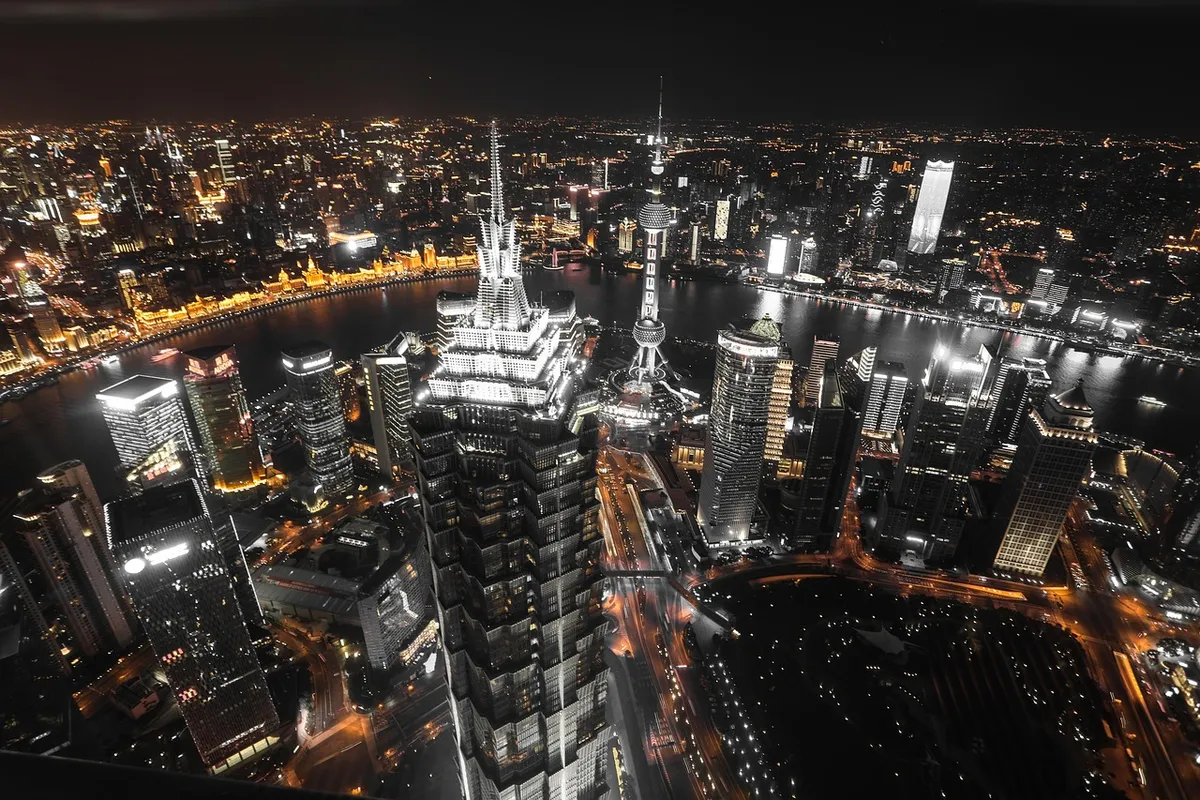
A stroll through the shaded avenues reveals a landscape where plane trees cast long shadows over historic villas. Finding the Shanghai French Concession value lies in the way these quiet residential pockets offer a reprieve from the surrounding city's rapid pace.
Visitors often find themselves wandering between European-inspired facades and traditional Chinese elements, creating a sense of timelessness.
This blend of styles provides a visual narrative of the city's complex past.
The atmosphere allows for a slow-paced exploration of urban design. Rather than rushing between skyscrapers, travelers can observe the intricate details of window frames and wrought-iron gates. This focus on small-scale beauty makes the area a standout choice for those interested in urban history.
Exploring French Concession history through the streets
As morning light filters through the leaves, I walk slowly through the Shanghai French Concession, breathing in the sweet scent of blooming jasmine.
The scent of blooming jasmine often fills the air during a walk through the historic blocks. Immersing oneself in French Concession history requires looking closely at the layout of the streets and the preservation of the greenery.
The area was established during a period of significant international influence, which shaped its unique urban identity. This period left behind a legacy of planned streets and residential layouts that differ sharply from other parts of the city.
The historical weight of the district is felt in every corner.
Walking through these neighborhoods provides a sense of continuity. While the world around it has changed, the core identity of the concession remains visible in its preserved structures. It offers a tangible connection to the early 20th century.
According to World Bank, the 2025 record includes 91.6%.
Finding Old Shanghai charm in the quiet corners
A sudden quietness settles over the neighborhood as one turns away from the main thoroughfares. Capturing the essence of Old Shanghai charm involves finding these secluded spots where the modern world seems to fade into the background.
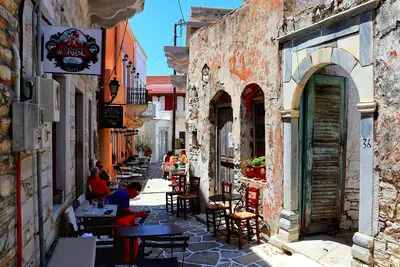
The charm is found in the juxtaposition of quiet courtyards and bustling sidewalk cafes. It is a place where history is not just observed but lived through the daily routines of residents and visitors alike. The scale remains human and approachable.
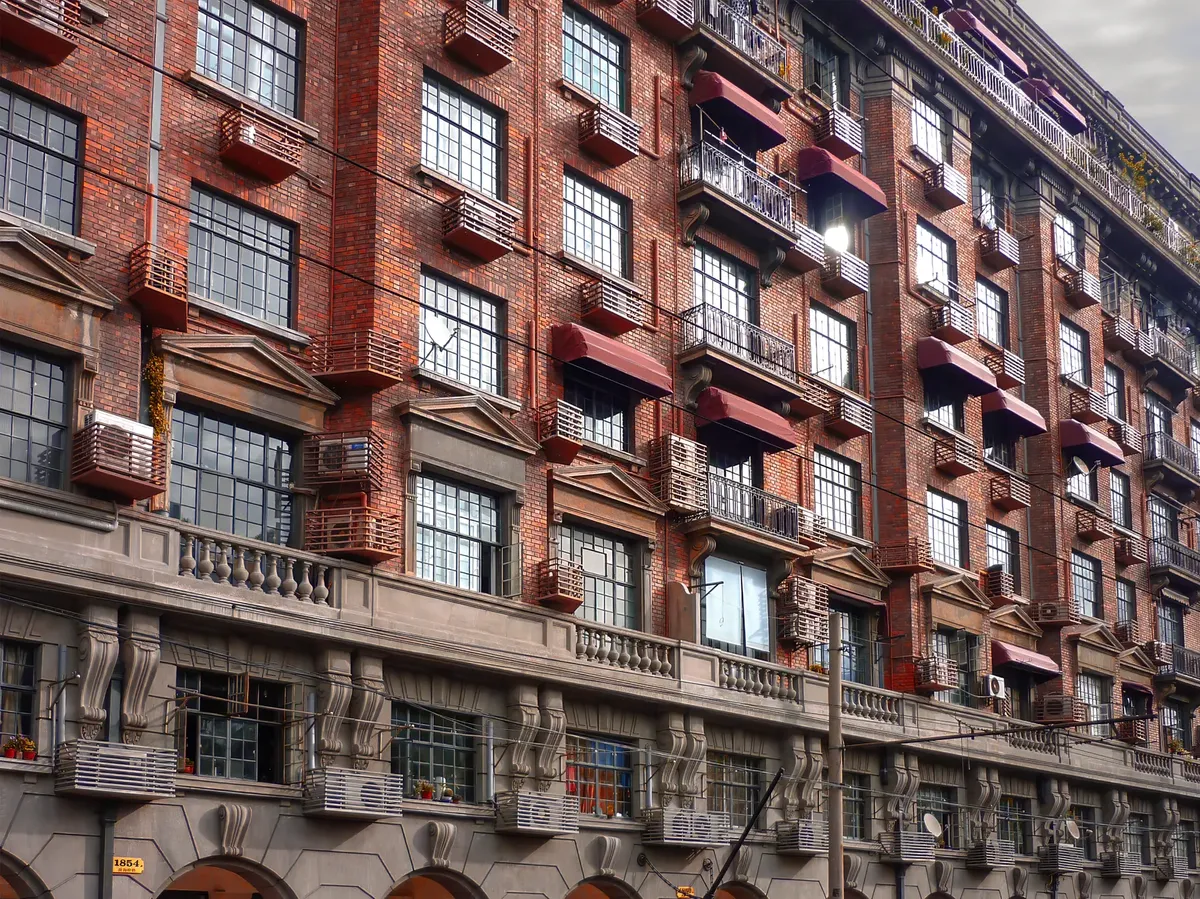
Many travelers find that the most memorable moments happen during unplanned detours. The winding alleys and residential gates offer endless visual interest for photographers and history enthusiasts. This intimate scale is a hallmark of the district.
How to visit the French area effectively
The sun begins to set, casting a golden glow over the brickwork of the villas. Learning how to visit the French area effectively means planning for a walking-heavy itinerary that respects the local rhythm.
According to World Bank data, China recorded high-technology share of manufactured exports of 26.3% in 2024.
To make the most of a visit, follow these steps: 1. Use public transportation to reach the district center to avoid traffic. 2. Wear comfortable walking shoes to navigate the uneven sidewalks and narrow alleys. 3. Carry a map or use a digital guide to locate specific historic landmarks.
A final check of your route ensures you do not miss the transition from daytime sightseeing to the vibrant evening atmosphere. I personally found that starting an exploration in the late afternoon allows for the best lighting for photography.
How to get there and navigate the district
A taxi pulls up to a corner, and the driver points toward the leafy canopy ahead. Understanding how to get there and navigate the district is the first step to a seamless travel experience.
The area is highly accessible via the city's extensive subway network, with multiple stations serving different parts of the concession. Once you arrive, walking is the most effective method of exploration. The density of sights makes it easy to move between locations on foot.
For longer distances, local ride-hailing services are readily available. However, the true character of the area is best revealed at a walking pace. Navigating the grid-like streets is generally straightforward for visitors.
Best places to visit for cultural immersion
A local cafe serves coffee as people pass by with quiet conversation. Identifying the best places to visit involves looking for sites that offer a mix of museum-quality history and local life.
The district is home to numerous boutique museums, art galleries, and heritage houses. These sites provide insight into the lives of those who lived in the concession during its peak years. It is an ideal setting for cultural education.
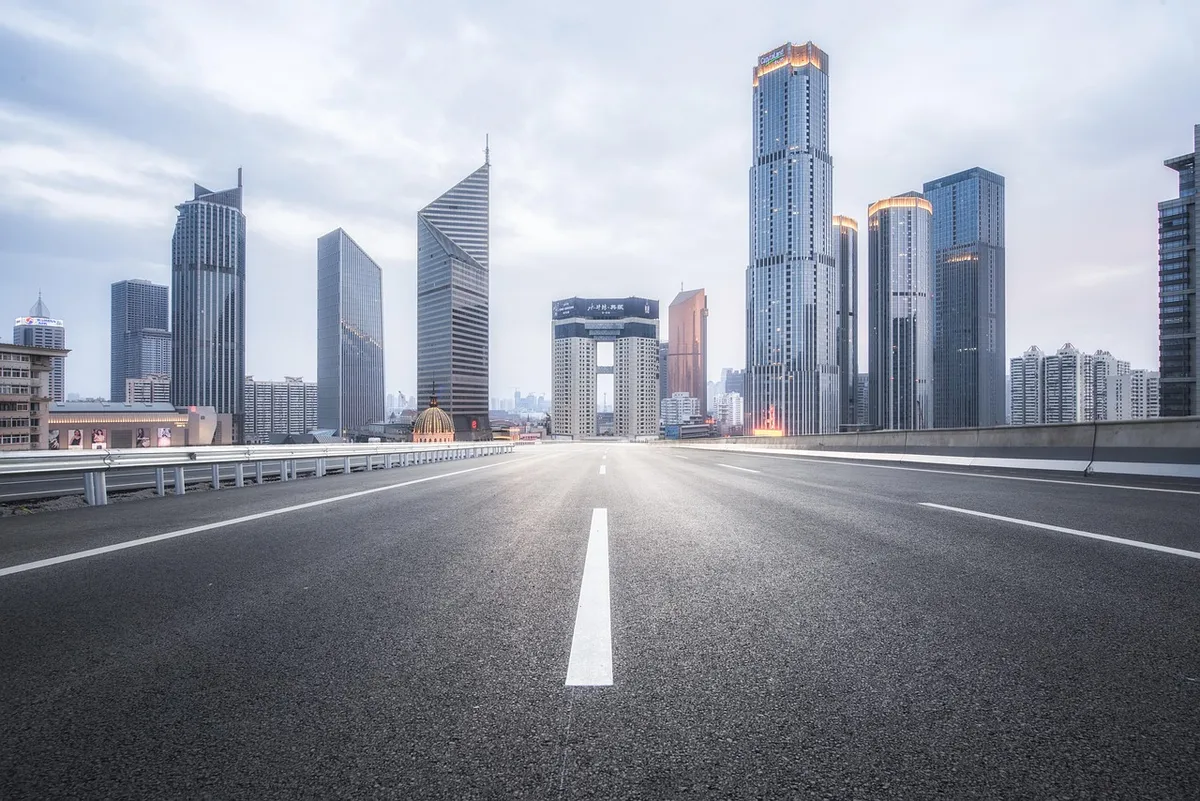
Beyond the museums, the street life itself is a primary attraction. The intersection of diverse culinary influences and retail boutiques makes every street corner a potential discovery. This variety ensures that every visitor finds something of interest.
- Choosing the Shanghai French Concession is about experiencing a unique intersection of colonial history and contemporary urban life.
- Key Takeaways:
- * Discover the historical legacy embedded in the tree-lined streets.
- The district serves as a living museum of architectural styles from a different era.
The same subject is also called Visit French area.
The same subject is also called Culture of the past.
This part also covers Hotels nearby.
Related
- Shanghai Concession Foreign Visit: Architectural Guide
- Shanghai art literary roots: A guide to the city's journey
Why is walking through the streets so rewarding? Walking through the streets allows one to absorb the layered narrative of the concession. This physical movement through the preserved environment enhances the understanding of the area's past influences.
- The journey itself becomes a timeline, moving from the grandeur of colonial planning to the subtle endurance of local life. 2. One observes how the initial European influences gracefully accommodated the needs of the local context. 3. This physical passage mirrors the cultural synthesis that defined the district during its prime.
What to keep in mind while walking through the concession? While walking through the concession, travelers should be mindful of the contrast between preservation and adaptation. The quietude of the residential passages contrasts sharply with the commercial pulse nearby.
- The contrast between the grand scale of original planning and the intimate scale of current use is striking. 2. One observes how the initial grand vision has adapted to sustain contemporary life. 3. This duality is what provides the enduring charm of the location.





Comments 0