Shanghai transport hub links tips for city structure best
"The movement of people and goods defines the pulse of a global metropolis, turning isolated stations into a singular, breathing organism."
Shanghai transport hub links function as vital arteries connecting the city center to the vast regional landscape, facilitating the flow of commerce and travelers.
These connections rely on a multi-layered network of high-speed rail, metro lines, and major exhibition centers to bridge the gap between urban density and suburban expansion.
This guide explains how these hubs interact, what to look for in transit connectivity, and the limitations of regional integration.
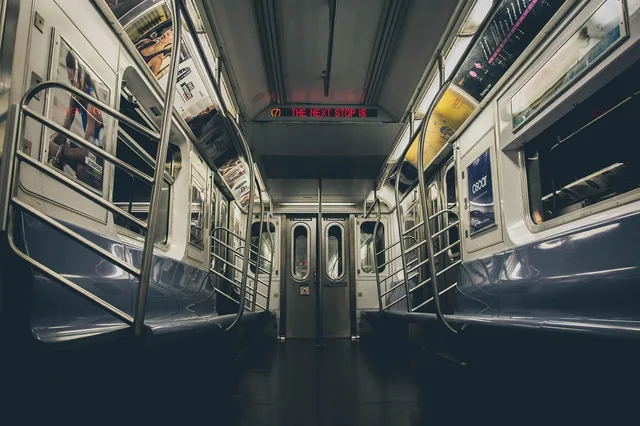
* The integration of high-speed rail and metro systems. * The role of specialized exhibition centers in regional transit. * How Shanghai transport hub structure supports economic output. * The distinction between local transit and intercity links around Shanghai.
How do Shanghai transport hub links function?
At dusk, I feel the heavy vibration of the tracks as I watch the silver train glide through the busy Shanghai station.
A traveler stands on a crowded platform, watching the silver nose of a high-speed train glide into the station. The air vibrates with the hum of electricity and the rhythmic announcement of departures.
Understanding how Shanghai transport hub links function requires looking at the intersection of local metro lines and long-distance rail corridors. These links ensure that a passenger can transition from a city street to a regional terminal with minimal friction.
The efficiency of these links is demonstrated by the city's ability to host massive international events.
This venue acts as a critical node where regional transit meets specialized commerce. By positioning itself at the Hongqiao area, the fair utilizes the Shanghai network connectivity to draw visitors from across the country.
The structural complexity of the Shanghai network connectivity allows for seamless movement between different modes of transport. When a visitor arrives at a major hub, they find themselves at the center of a web that extends far beyond the city limits.
This connectivity is essential for maintaining the city's status as a global center for design and industry.
- Identify the primary transit node.
- Select the appropriate mode of transport.
- Confirm the connection timing.
What defines the Shanghai transport hub structure?
Under the bright morning sun, I squint my eyes while walking through the massive glass halls of the Shanghai terminal.
The morning sun hits the glass facade of a massive terminal as commuters rush through wide concourses. The sheer scale of the architecture reflects the complexity of the Shanghai transport hub structure.
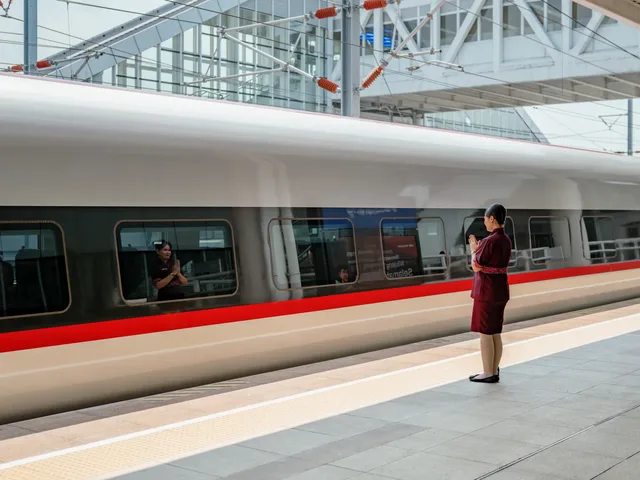
This structure is not merely a collection of tracks and roads but a coordinated system of transit points designed to manage immense volumes of human activity.
The design of these hubs often mirrors the economic importance of the regions they serve. For instance, the city's rise as a global design hub is supported by its ability to move people to major conferences.
The 2026 World Design Cities Conference, jointly organized by the Shanghai Municipal People's Government and UNESCO, took place from Sept 28 to 30. Such events rely on a robust structure to move thousands of participants through specific transit gates.
The Shanghai transport hub structure must balance local passenger needs with the requirements of heavy freight and long-distance travelers. This balance is what allows the city to function as a cohesive unit despite its massive size.
Understanding the transit map helps travelers navigate these layers of density.
In this sequence, the second step is the longest.
According to World Bank, the 2025 record includes 4.6%.
How do major Shanghai transit points influence regional links Shanghai?
A freight train pulls away from a yard, its heavy cars clanking as they head toward the provincial borders. These major Shanghai transit points serve as the launchpads for regional links Shanghai.
By connecting the dense urban core to the surrounding provinces, these points facilitate the rapid movement of resources and labor.
The connectivity between these points determines how effectively the city integrates with the wider economic zone. When major transit points are well-aligned, the transition from urban to regional becomes almost imperceptible.
This is why the placement of centers like Hongqiao is so strategic for regional mobility.
The regional links Shanghai create a corridor of activity that extends hundreds of kilometers from the city center. This movement is a key component of how the city maintains its economic momentum.

Understanding the intercity links around Shanghai is necessary for anyone looking to move beyond the metropolitan boundary.
According to International Monetary Fund, the 2026 record includes 5.1%.
How can one navigate the intercity links around Shanghai?
A passenger checks a digital screen, tracing the path of a train that will cross three different provinces. Navigating the intercity links around Shanghai requires a clear understanding of how different transit layers overlap.
To move efficiently between the city and the surrounding regions, follow these steps:
- Identify the primary hub for your destination, such as Hongqiao for regional high-speed rail or Pudong for international access. 2. Verify the connection between the local metro system and the specific rail terminal to ensure a smooth transfer. 3. Check the schedule for intercity services, as these often operate on different rhythms than the urban metro.
A final check of the platform number before leaving the main concourse is always recommended.
What is the impact of transit on economic output?
A businessman walks briskly through a sleek terminal, his eyes fixed on his watch as he prepares for a meeting. The ability to move efficiently through the city is directly tied to its economic performance.
According to World Bank data, China recorded unemployment rate of 4.6% in 2025.
The connectivity provided by the transit network supports the massive output seen in the region's design and manufacturing sectors.
The relationship between movement and money is evident in the scale of industrial exhibitions. Large-scale events at the National Exhibition and Convention Center (Shanghai Hongqiao) require a transit system that can handle sudden surges in population.
Without these links, the city could not sustain its high levels of commercial activity.
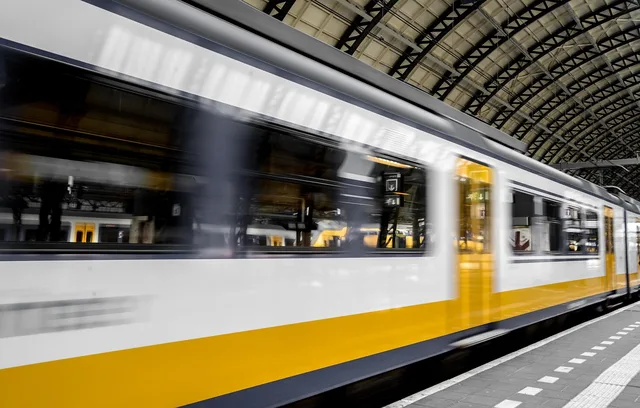
The efficiency of the Shanghai network connectivity serves as a backbone for the city's broader economic goals. As the city grows, the transit system must expand to meet the demands of both local residents and international visitors.
Are there limitations to this connectivity?
Rain falls on the station roof, blurring the lights of the departing trains in the distance. While the network is vast, it is not without its constraints. The connectivity of the Shanghai transport hub links is primarily optimized for high-density corridors and major commercial zones.
A limitation of this system is that connectivity may be less integrated in strictly residential or peripheral areas that lack major exhibition or industrial hubs.
While the core and the major regional links are highly developed, the transition to the most remote parts of the surrounding provinces may involve more complex transfers.
Related





Comments 0