Shanghai Beyond: Immerse in 17th Century Water Towns
"Elevate your Shanghai journey from a metropolitan overview to a deep dive into classical Jiangnan culture by exploring the preserved waterways of Wuzhen and the refined landscapes of Suzhou."
If you only stay within the neon-lit boundaries of the Bund and the towering skyscrapers of Pudong, you are only seeing one side of the story. To understand the soul of the Yangtze River Delta, you must step out of the city and into the stone-paved streets of the ancient water towns.
Key Takeaways * Day trips to Wuzhen and Suzhou offer tangible immersion into traditional Southern Chinese architectural beauty, providing a sharp contrast to modern Pudong.
* These destinations act as a perfect cultural palate cleanser, offering tranquility and historical context to balance the high-speed pace of Shanghai.
* Strategic planning regarding high-speed rail and seasonal timing is essential to maximize these excursions without sacrificing your schedule in the city.
Why Go Beyond Shanghai Proper?
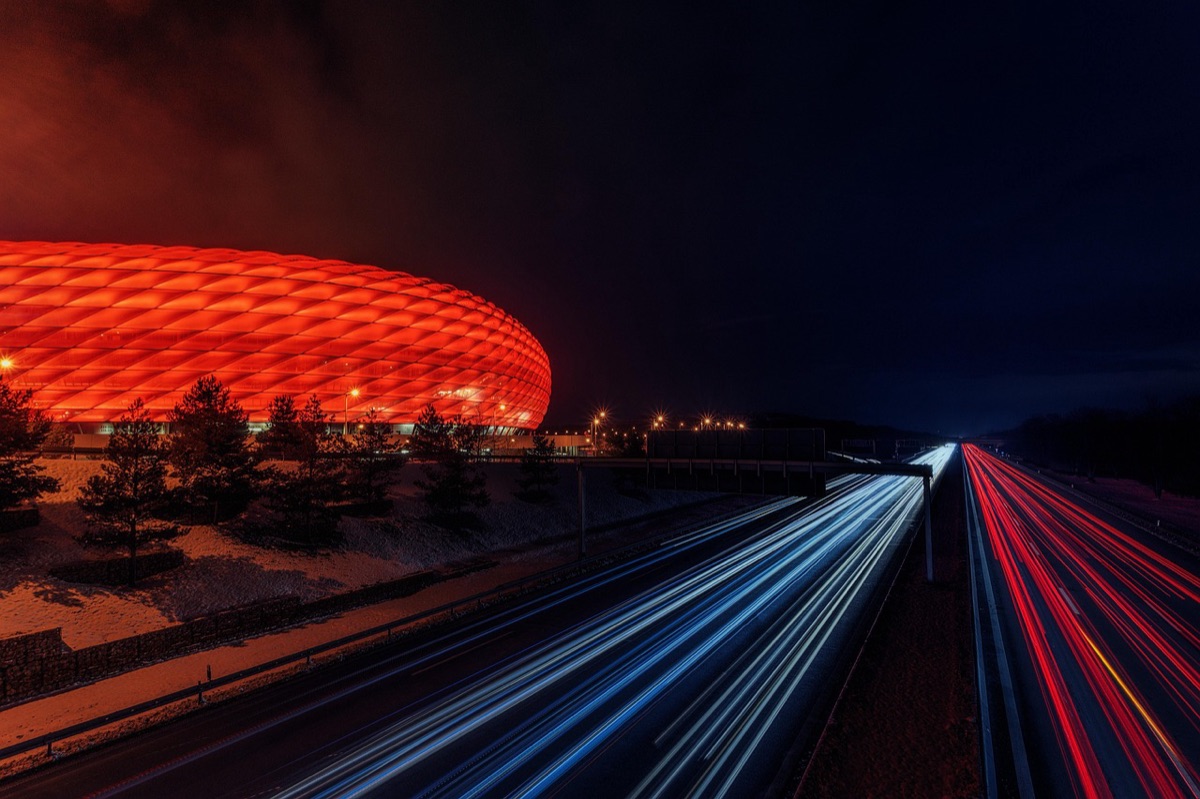
The morning sun hits the glass of the Shanghai Tower, reflecting a blinding light across the Huangpu River as thousands of commuters rush toward the subway. According to the World Bank, China recorded a high-technology share of manufactured exports of 26.3% in 2024.
In the heart of this metropolis, which serves an estimated population of 34 million in its metropolitan area, the scale of human activity is almost overwhelming.
While the sheer economic gravity of Shanghai is undeniable, it represents a relatively modern chapter in a much longer history. The city is a marvel of engineering and commerce, but it lacks the ancient, organic textures found in the surrounding provinces.
By venturing out, you bridge the gap between the hyper-modernity of the 21st century and the centuries-old traditions that shaped this region. These day trips are not just about seeing old buildings; they are about understanding the roots of the Jiangnan culture.
The transition from the massive scale of Shanghai to the intimate proportions of a water town provides a necessary perspective.
Because of the highly efficient high-speed rail network, these locations are easily accessible, making it possible to experience a complete change in atmosphere within a single day.
But how do you choose between the rustic charm of a canal and the refined beauty of a garden?
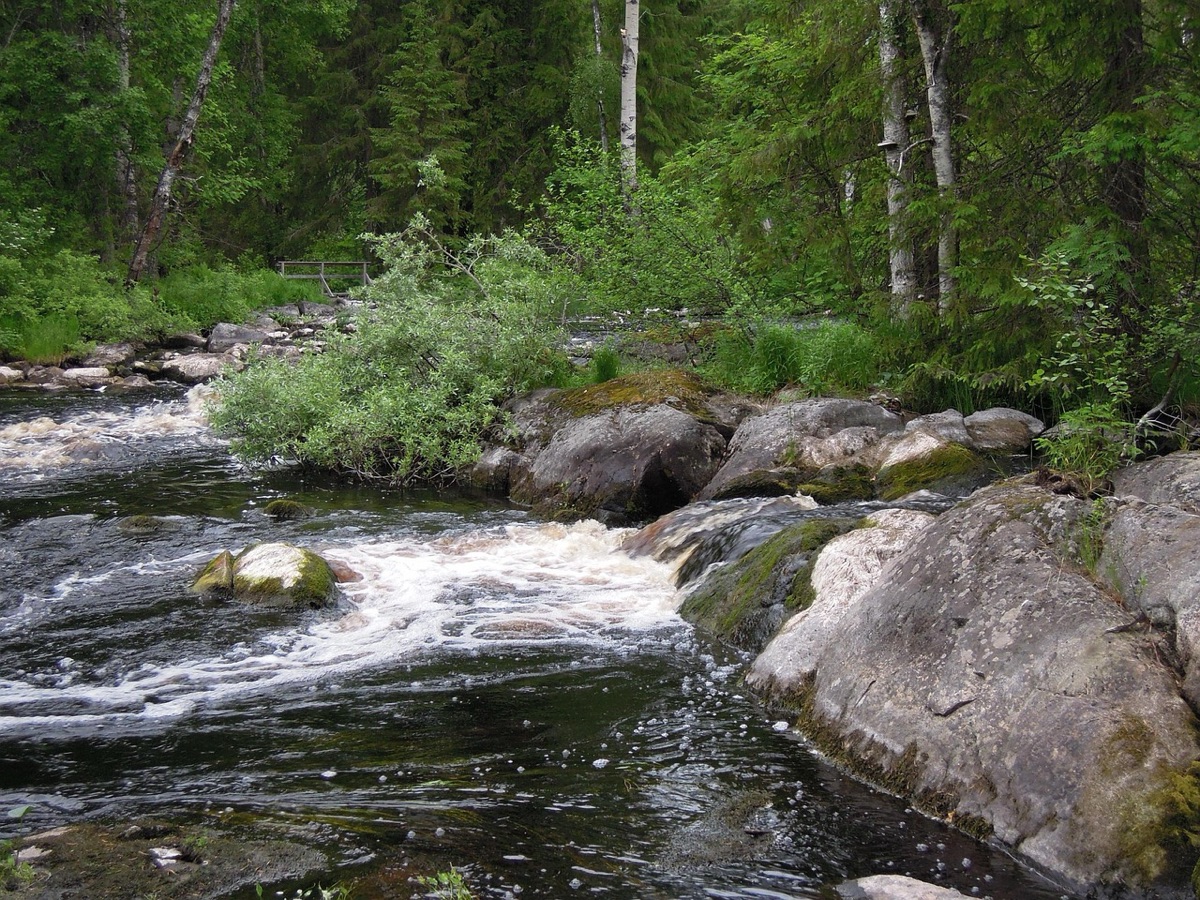
Can I step back into life on the waterways? A small wooden boat glides through a narrow canal, the only sound being the gentle ripple of water against stone and the distant call of a vendor. The air smells faintly of damp wood and jasmine, and the shadows of overhanging eaves create a cool, rhythmic pattern on the water's surface.
Wuzhen is one of the most well-preserved examples of a traditional Chinese water town. Unlike some areas that feel like museum exhibits, Wuzhen maintains a sense of living history.
The layout is defined by stone bridges that connect different residential quarters and narrow alleys that wind between white-walled houses with black-tiled roofs.
Visitors can spend their time wandering through the West Gate or East Gate districts, exploring ancient guild houses that once served as hubs for local commerce.
A common activity is taking a slow boat ride through the canals to see the architecture from the water level, which offers a unique perspective on the gravity-defying bridges.
When planning this trip in 2026, consider the climate. With an average annual temperature of 17.5 °C (63.5 °F) in downtown areas and slightly cooler temperatures in the suburbs, the weather is generally pleasant.
However, since the region can experience significant humidity, visiting during the shoulder seasons of spring or autumn provides the most comfortable walking conditions for exploring the stone paths.
The beauty is undeniable, but the logistical reality of these ancient streets can be tricky.
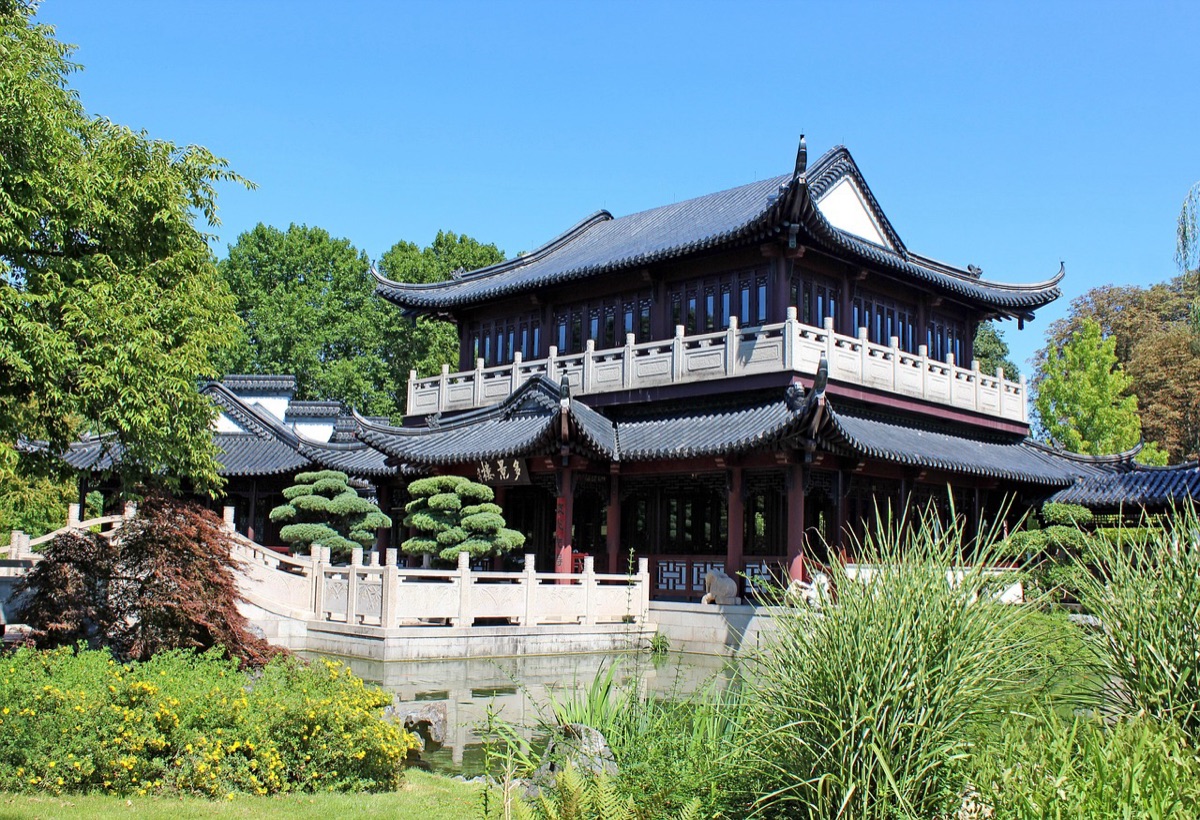
How can I master the art of tranquility? You step through a heavy wooden gate and suddenly, the vastness of the world seems to shrink into a perfectly composed frame. A single bonsai tree, a carefully placed rock, and a small koi pond work together to create a sense of infinite space within a very small courtyard.
Suzhou is world-renowned for its classical gardens, which are masterpieces of landscape design. These gardens were not merely backyards; they were sophisticated expressions of philosophy and art.
Each garden is designed to act as a living landscape painting, where every window, doorway, and walkway is positioned to frame a specific view.
Navigating these gardens requires a different pace than the streets of Shanghai. In places like the Humble Administrator's Garden, you move from large, sprawling layouts to intimate, enclosed courtyards.
The goal is to observe how the masters of design used "borrowed scenery" to make small spaces feel vast.
To get the most out of Suzhou in 2025 or 2026, it is best to visit early in the morning to avoid the largest crowds. This allows you to experience the intended tranquility of the garden design. Walking through these spaces offers a meditative break from the sensory overload of urban life.
But how do you actually manage the travel between these worlds without losing your mind to transit?
Making the Day Trip Work: Logistics & Timing
The high-speed train pulls into the station with a quiet hum, and within minutes, the landscape outside the window shifts from urban sprawl to rolling green hills.
Travelers check their watches, calculating the exact window of time they have before they must return to the city for an evening meeting.
To make a day trip successful, you must utilize the high-speed rail network. Most travelers use the Shanghai Hongqiao or Shanghai Railway Station as their primary hubs. For Suzhou, the journey is very short—often under 30 minutes—making it an easy morning departure.
Wuzhen requires a bit more planning, usually involving a train to Tongxiang followed by a short local bus or taxi ride.
When I first attempted a dual-city day trip in early 2025, I realized that timing is everything. If you miss that morning window, you spend more time in transit than in the scenery.
Follow this specific sequence to ensure a smooth experience:
- Morning Departure: Take an early high-speed train from Shanghai to your destination (Suzhou or Tongxiang/Wuzhen) between 7:00 AM and 8:30 AM.
- Mid-Morning Exploration: Begin with the most famous site (like a major garden or the main canal district) while energy levels are high and crowds are thin.
- Lunch: Seek out local specialties, such as Suzhou-style noodles or Wuzhen-specific snacks, in a side-street eatery between 12:00 PM and 1:30 PM.
- Afternoon Activity: Visit a secondary site or a local museum to provide variety before the late afternoon rush.
- Late Afternoon Return: Begin the journey back to Shanghai by 4:30 PM to ensure you arrive in time for dinner or evening business engagements.
To maximize your time, it is highly recommended to book high-speed rail tickets in advance via official apps or through your hotel concierge. Additionally, while many sites allow for walk-in tickets, pre-booking entry passes for popular gardens can prevent long queues at the gate.
If a single day isn't enough to soak it all in, what are the alternatives?
Beyond the Day Trip: Deeper Immersion Options
As the sun sets over the canal, the lanterns flicker to life, casting a warm orange glow over the wet cobblestones. Travelers sit at a small table, reflecting on the day while the sounds of the city feel worlds away.
According to the OECD, Shanghai's metropolitan area has an estimated population of 34 million.
For those with more flexibility, a single day might not be enough. A 2-day/1-night extension allows you to experience these towns after the day-trippers have left.
Staying overnight in Wuzhen, for example, offers a magical experience of the water town under moonlight, which is entirely different from the daytime atmosphere.
For business travelers, these trips serve as an essential tool for mental reset. After intense meetings in the city's business districts, spending a day in the quietude of Suzhou can provide the clarity needed for high-level decision-making.
It is a way to integrate cultural enrichment into a professional itinerary.
| Feature | Wuzhen Water Town | Suzhou Gardens |
|---|---|---|
| Primary Focus | Canal life & ancient architecture | Landscape design & philosophy |
| Vibe | Rustic, bustling, immersive | Refined, artistic, tranquil |
| Best For | Walking & boat rides | Photography & contemplation |
| Travel Time | Moderate (requires more transit) | Fast (very close to Shanghai) |
#





Comments 0