Can I experience historic Shanghai through its lanes?
"The stones of the old lanes tell a story that the skyscrapers cannot reach."
Shanghai art heritage is a complex tapestry woven from traditional Shikumen lane houses and the soaring glass of modern giants. This guide explores the aesthetic transition from historic residential quarters to the world-class skyline, providing a perspective for travelers seeking cultural depth.
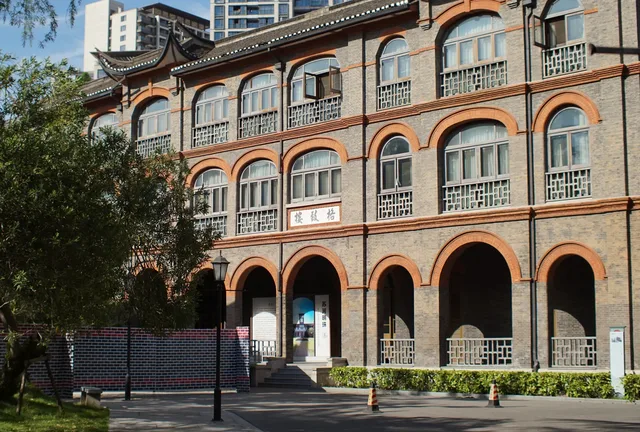
You will learn about the architectural evolution, the scale of the metropolitan area, and the specific landmarks that define the city, while noting that this overview focuses on structural landmarks rather than individual interior art collections. 1. The transition from Shikumen stone gates to modern skyscrapers. 2. The massive scale of the Shanghai metropolitan area. 3. Key landmarks including the Shanghai Tower. * The historical growth of international engagement in the city.
What defines Shanghai's art heritage?
Walking through a narrow alleyway, the rough texture of gray bricks meets the cool touch of a wooden door frame. The Shanghai art heritage is rooted in the contrast between the low-rise, human-scale Shikumen neighborhoods and the vertical ambition of the Pudong district.
Understanding Shanghai style requires looking at how these two eras coexist in a single urban landscape.
The city's aesthetic identity is shaped by its ability to layer history upon rapid modernization. This duality creates a visual rhythm that moves from the intimate, shadowed lanes to the bright, reflective surfaces of the financial district.
Exploring these layers allows visitors to see how the city's past informs its present.
How does Shanghai modern design appear in the skyline? Shanghai art heritage
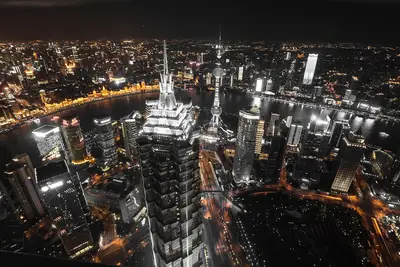
Standing at the base of a massive glass tower, the sun glints off a surface that seems to touch the clouds. Shanghai modern design is most visible in its world-renowned skyline, where engineering meets artistic expression.
This evolution represents a shift from traditional masonry to high-tech structural marvels.
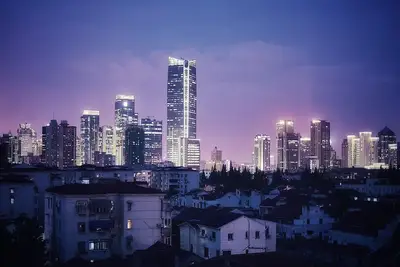
The skyline serves as a canvas for contemporary architectural achievements. Visitors can observe the different silhouettes that define the horizon, ranging from neo-classical influences to ultra-modernist forms. This visual progression captures the city's rapid ascent on the global stage.
| Landmark | Notable Feature |
|---|---|
| Shanghai Tower | Completed in 2015; tallest in China |
| Jin Mao Tower | Iconic skyscraper in the skyline |
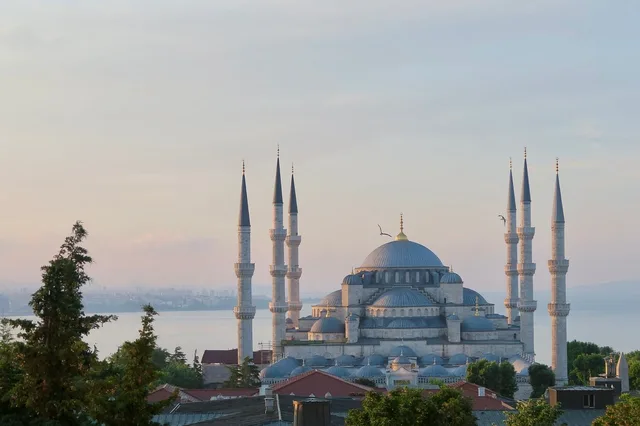
According to World Bank, the 2025 record includes 91.6%.
Can I experience historic Shanghai through its lanes?
Turning a corner in a quiet residential district, the scent of local cooking drifts through a courtyard of stone-gate houses. Historic Shanghai travel often centers on these preserved pockets of the old city. These areas provide a sensory connection to the lifestyles of previous generations.
Navigating these streets offers a glimpse into the traditional urban fabric. The narrow paths and shared courtyards create a sense of community that contrasts with the isolation of high-rise living. This intimate scale is essential for those wanting to understand the city's social history.
What are the Shanghai cultural codes in the architecture?
Tracing the intricate carvings on a stone lintel, one begins to see the symbolic language embedded in the buildings. Shanghai cultural codes are often found in the subtle details of the Shikumen facades and the grand proportions of colonial-era structures.
These elements reflect a blend of Eastern and Western influences.
Architectural details serve as markers of status and era. By studying the materials used, such as specific types of stone or wood, one can decode the historical periods represented in a single neighborhood. This layer of meaning adds depth to the visual experience of the city.
Is there an Artistic value Shanghai in the skyscrapers?
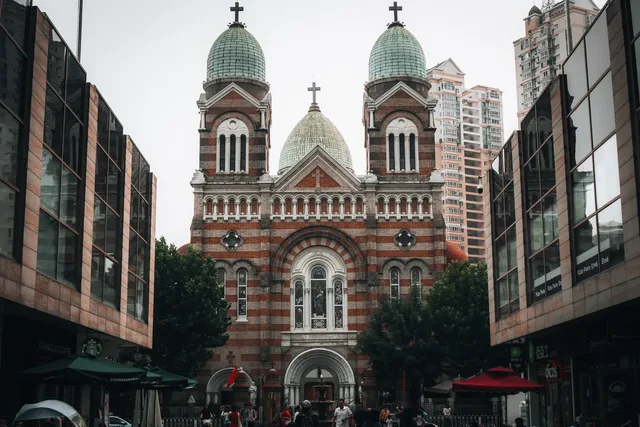
Looking up from a crowded street, the sheer scale of the buildings creates a sense of awe. The artistic value of Shanghai is increasingly found in the sculptural quality of its massive towers. These structures are not merely functional; they are intended to be monumental pieces of urban art.
The design of these buildings often incorporates light and shadow to create dynamic visual effects throughout the day. This interaction with the environment makes the skyline a living installation. The height and form of these towers serve as symbols of the city's economic and cultural reach.
What is the scale of Shanghai architecture history?
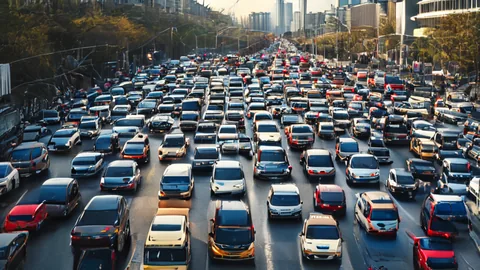
Measuring the distance between two major districts, the vastness of the urban sprawl becomes apparent. Exploring Shanghai architecture history involves understanding the sheer magnitude of the metropolitan area. The city’s growth has been both rapid and immense in scope.
According to World Bank data, China recorded high-technology share of manufactured exports of 26.3% in 2024.
According to the OECD, Shanghai's metropolitan area has an estimated population of 34 million. This massive population density necessitates a highly sophisticated approach to urban planning and architectural density. The scale of the city is a primary driver of its unique architectural character.
The city's role as a global hub is further evidenced by its capacity for international engagement. According to the International Congress and Convention Association, Shanghai hosted 82 international meetings in 2018, a 34% increase from 61 in 2017.
This influx of global activity reinforces the need for diverse and high-capacity architectural spaces.
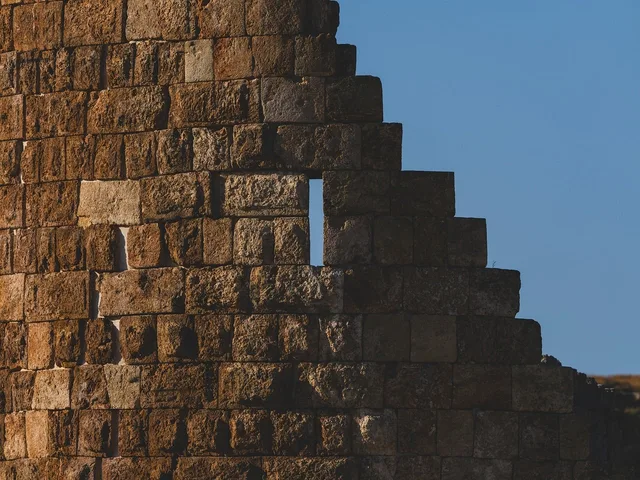
To properly observe the architectural evolution, follow these steps:
- Visit the traditional Shikumen districts to observe the stone-gate residential patterns. 2. Travel to the Pudong area to view the modern skyscraper cluster. 3. Compare the material textures of the old masonry with the glass and steel of the new towers.
I found that seeing the contrast between the heavy stone of the old lanes and the light glass of the towers in person is the best way to grasp the city's scale.
A limitation of this architectural study is that it focuses on exterior structures and does not account for the interior design of private residences or specific museum collections.
The subject here is Shanghai art heritage.
The same subject is also called Art value Shanghai.
Related

Comments 0