Shanghai Disney foreign impression: Guide to local culture
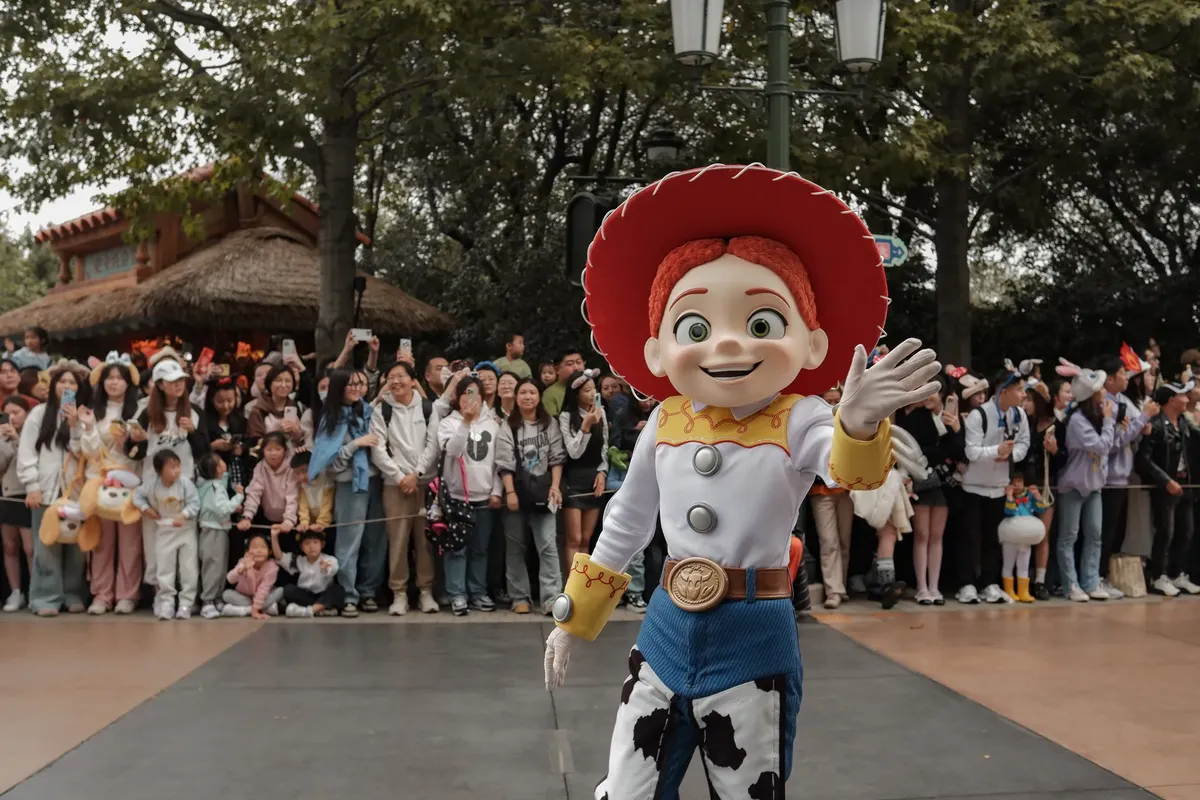
"The intersection of global storytelling and local heritage creates a unique space for travelers to witness how international brands adapt to regional landscapes."
The Shanghai Disney foreign impression often centers on how a global brand integrates into the specific cultural fabric of the city. This overview explores the historical context of educational programming and local large-scale events that shaped the environment where such brands operate.
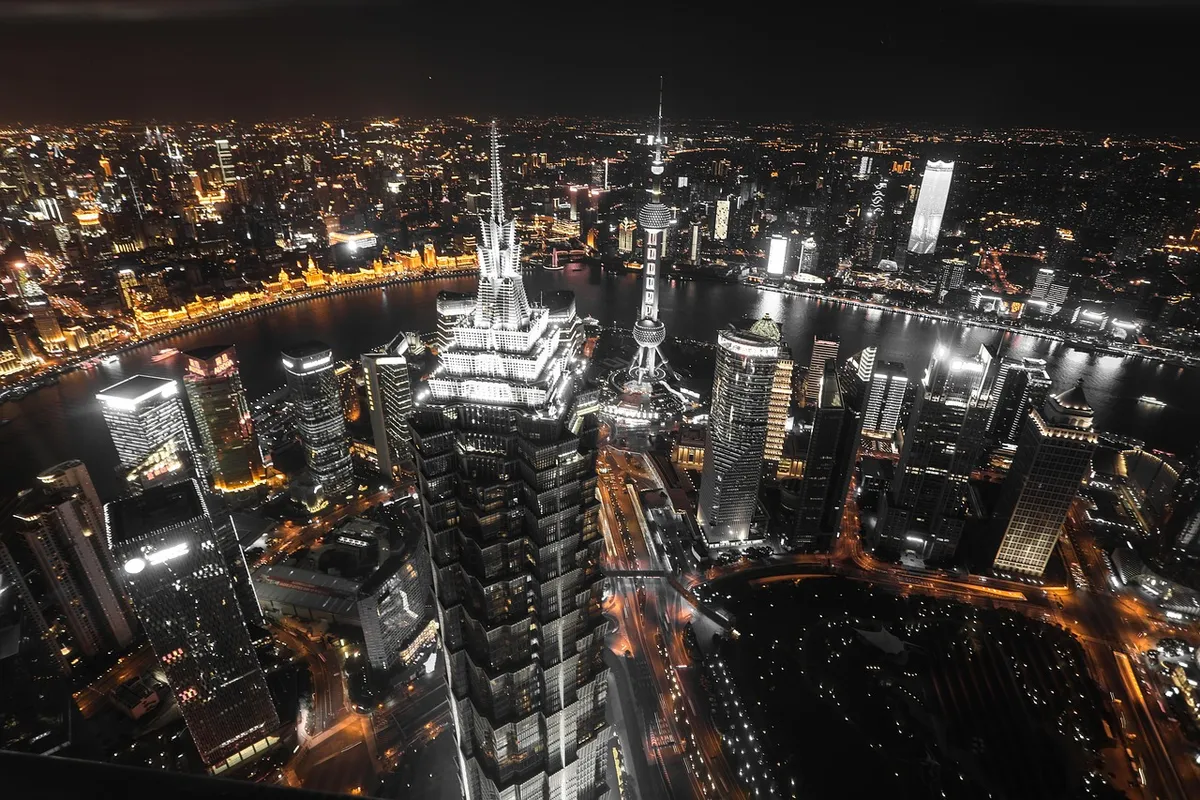
Key takeaways include the recognition of specialized curriculum programs, the history of major regional exhibitions, and the role of local administrative oversight in shaping urban culture.
How did Disney English achieve international recognition?
A quiet office in a bright room holds a shelf of awards that tell a story of academic success. In 2011, Disney English was named a finalist in two categories for the Distinguished Achievement Award from the Association of Educational Publishers.
This recognition highlighted the brand's reach in specialized educational sectors.
According to the Association of Educational Publishers, Disney English was presented with a Distinguished Achievement Award for Whole Curriculum Programs ELL/ESL on 4 June 2012, in Washington DC. This moment marked a significant milestone for the brand's educational outreach.
The achievement reflects a focus on language and curriculum development.
A traveler might look at these accolades and see a brand with a deep history in structured learning. This background provides a foundation for the brand's presence in the region. The focus remains on how these educational tools translate into cultural influence.
What was the history of the Shanghai Book Fair? Shanghai Disney foreign impression
The heavy doors of the exhibition centre creaked open as crowds gathered for the first Shanghai Book Fair.
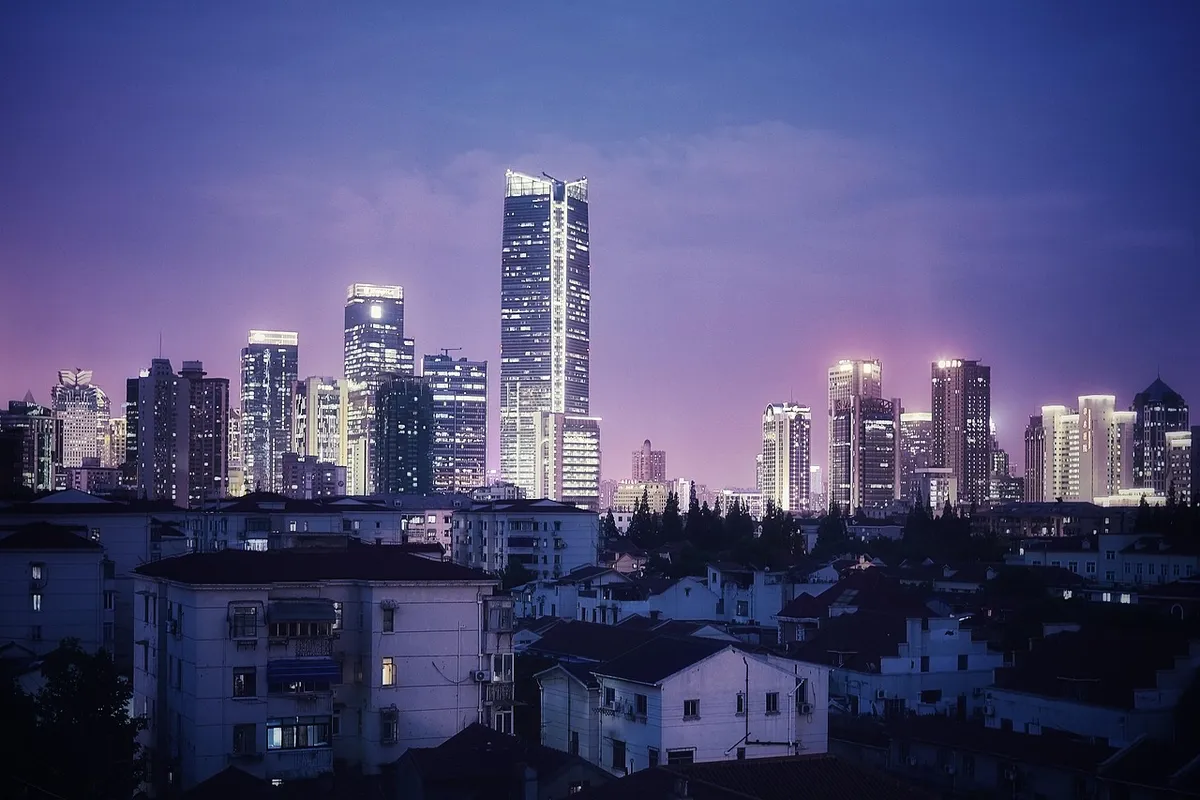
The 2004 Shanghai Book Fair and Shanghai Reading Festival was held from 28 July to 2 August 2004 at the Shanghai Exhibition Centre, organised by the Shanghai Municipal Bureau of Press and Publication. These events established a tradition of large-scale cultural gathering.
The 2005 Shanghai Book Fair was held from 6 to 14 August 2005 at the Shanghai Exhibition Centre, organised by the Shanghai Municipal Bureau of Press and Publication. This period saw consistent engagement with the public through organized literary events.
Such gatherings shaped the intellectual atmosphere of the city.
The 2009 Shanghai Book Fair was held from 13 to 19 August 2009 at the Shanghai Exhibition Centre, organised by the Shanghai Municipal Bureau of Press and Publication. This era of exhibitions helped define the scale of public engagement in the city.
The organized nature of these events provided a consistent rhythm to the local cultural calendar.
How did large exhibitions shape the local atmosphere?
The gates of a massive hall swing open to welcome thousands of visitors during a rainy morning. The 2010 Shanghai Book Fair was held from 11 to 17 August 2010 at the Shanghai Exhibition Centre, organised by the Shanghai Municipal Bureau of Press and Publication.
This event continued the trend of significant public engagement in the urban center.
The scale of these events, organized by the Shanghai Municipal Bureau of Press and Publication, demonstrates the importance of structured cultural programming. These exhibitions provided a venue for the exchange of ideas and the meeting of global and local interests.
The consistency of these dates shows a planned approach to cultural growth.
A visitor might walk through these halls and feel the weight of history in the organized chaos of the crowd. The repetition of these events created a sense of familiarity for the local population. This historical backdrop is essential to understanding the environment where modern attractions exist.
What are the educational implications of these programs?
A student sits at a desk, focused on a lesson that blends language learning with engaging media. The curriculum-based approach of certain programs aims to provide structured instruction for learners. This method of engagement is a cornerstone of the brand's educational identity.
The following points outline the recognition of these programs:
- Recognition as a finalist in two categories for the Distinguished Achievement Award in 2011. 2. Receipt of a Distinguished Achievement Award for Whole Curriculum Programs ELL/ESL in 2012. 3. A focus on specialized language instruction through structured curriculum.
I observed how these structured programs provided a specific type of engagement for learners. The focus on curriculum-based learning is a key aspect of the brand's history.
The limitation of these historical records is that they focus on specific educational and exhibition events rather than the physical park infrastructure itself.
- How did Disney English achieve international recognition?
- What was the history of the Shanghai Book Fair?
- How did large exhibitions shape the local atmosphere?
The subject here is Shanghai Disney foreign impression.
The same subject is also called Disney Shanghai visitor view.
The same subject is also called Global traveler Disney feel.
The same subject is also called Shanghai park cultural view.
The same subject is also called Foreigner's Disney memory.
This part also covers Disney's modern backdrop.
This part also covers Cross-cultural journey taken.
This part also covers Ideal vacation setting.
Disney's modern backdrop
Related
How does the global intersection inform local adaptation?
The intersection of global storytelling and local heritage demonstrates how international brands successfully navigate regional nuances. The brand’s ability to adapt to local landscapes is informed by its deep roots in educational achievement and large-scale cultural events.
This successful integration is rooted in the brand’s proven capacity to engage diverse audiences through structured programming.
The global reach of the brand mirrors the local commitment to cultural exchange seen at the book fairs. These exhibitions, overseen by the local administrative body, mirrored the brand’s own commitment to structured learning environments.
The brand's journey reflects this parallel between international brand strategy and local cultural development.
The brand’s presence in the region is a product of this successful translation between global brand identity and local cultural context. The local administrative oversight played a crucial role in shaping the urban culture that welcomed this international presence.
This successful navigation is key to understanding the brand’s sustained presence.




Comments 0