Shanghai transit hub connection: Guide to seamless movement
"The sheer scale of a modern metropolis is often defined by how efficiently its people move from one point to another."
Understanding the Shanghai transit hub connection requires looking at how high-speed rail, aviation, and metro systems converge at major nodes. Travelers can navigate this massive network by utilizing integrated transit centers that link regional rail to local subway lines.
This guide explores the intersection of these systems, the role of major hubs, and the logistical layering of the city.
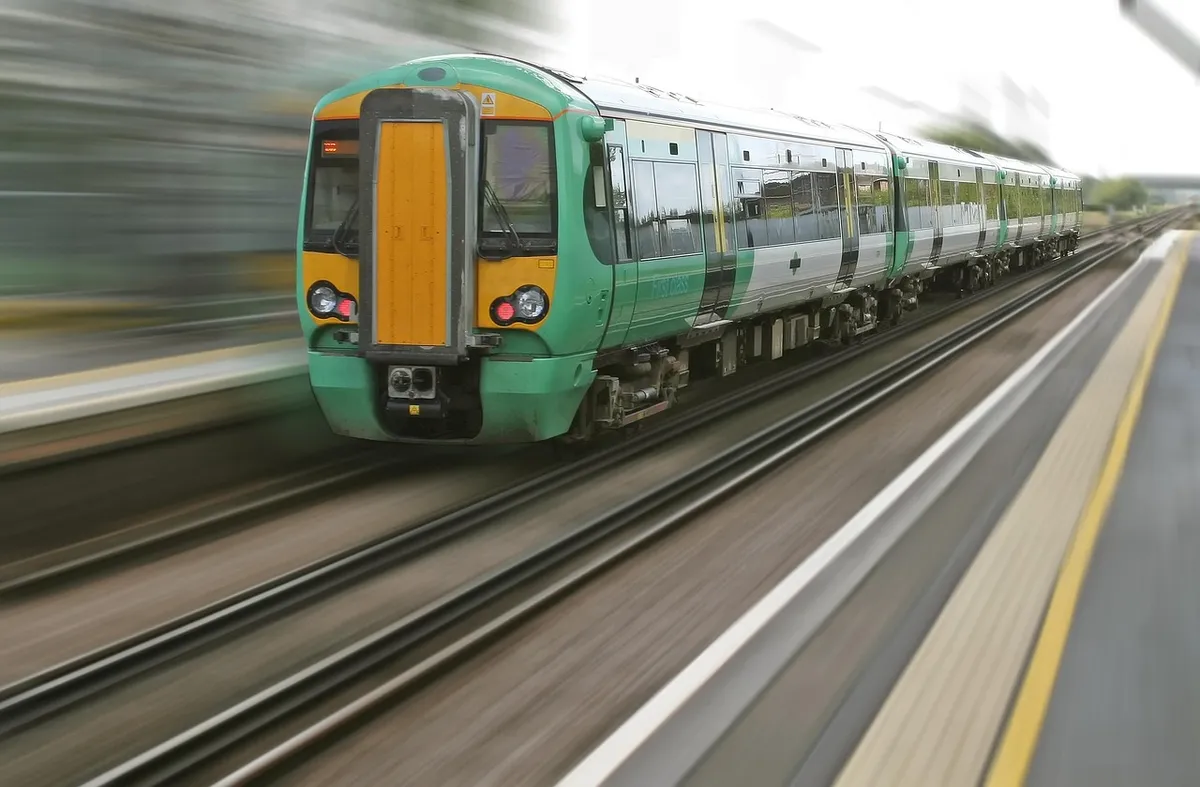
* The strategic importance of the Hongqiao transit center. * How metro network planning supports regional connectivity. * The integration of air and rail travel. * Navigating large-scale exhibition centers via transit.
How does the Shanghai transit hub connection function?
At sunset, I grip my heavy suitcase while staring at the interlocking rails that define the shanghai transit hub connection.
A traveler stands in a massive terminal, checking a digital screen as a train glides silently into a platform. The Shanghai transit hub connection relies on multi-modal interchanges where different layers of transport meet seamlessly.
The city's movement is supported by a highly structured layout. The National Development and Reform Commission has approved the 2018–2023 construction plan for the city's Metro network. This planning ensures that local transit can reach expanding suburban areas.
By aligning metro lines with major rail terminuses, the city manages heavy passenger loads. This connectivity allows for efficient movement between the city center and outlying districts.
- Identify the arrival terminal.
- Follow the directional signage for intermodal transfers.
- Proceed to the designated platform for the connecting line.
Why is the Hongqiao transit center so vital?
A passenger steps off a high-speed train and walks a short distance to find an airport terminal waiting. This seamless transition defines the experience at major regional hubs.
The Hongqiao transit center serves as a primary example of integrated travel. Because it combines rail and air, it acts as a gateway for both domestic and international travelers.
The layout minimizes travel time between different modes of transport. This efficiency is critical for those moving through the Shanghai transit hub connection.
In this sequence, the second point is the most significant.
According to World Bank, the 2025 record includes 91.6%.
How does the metro network support regional travel?
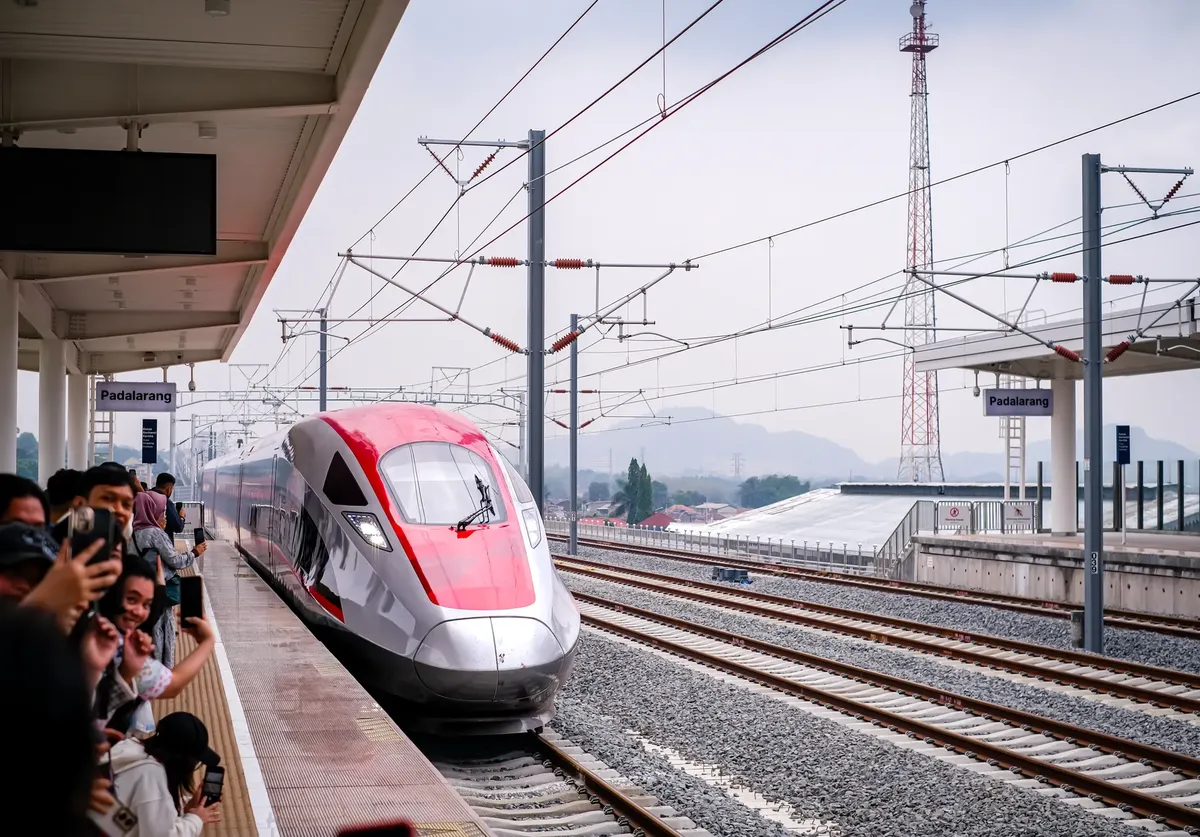
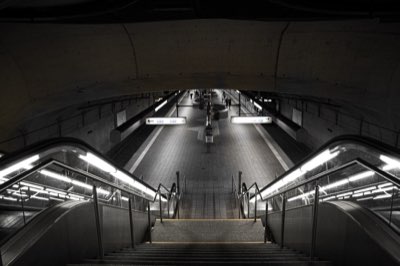
A commuter taps a transit card and descends into a bright, bustling underground station. The constant flow of people demonstrates the scale of the local network.
The National Development and Reform Commission has approved the 2018–2023 construction plan for the city's Metro network, according to the National Development and Reform Commission.
The metro network provides the granular detail needed to navigate the city. While rail connects cities, the metro connects streets.
The National Development andられて Commission's approved 2018–2023 construction plan for the city's Metro network reflects the continuous expansion of these local links. This expansion ensures that the city's growth remains supported by reliable transit.
A high-speed rail access strategy must work in tandem with these local lines to prevent bottlenecks at the station entrances.
How are large-scale events managed within this system?
A visitor walks through a massive hall filled with displays, guided by clear signage toward the nearest exit. Large venues require robust transit support to handle sudden surges in population.
Major events often take place at massive complexes like the National Exhibition and Convention Center (Shanghai Hongqiao). The 56th China International Furniture Fair Shanghai returns to the National Exhibition and Convention Center (Shanghai Hongqiao) from September 9-12, 2025.
Such events demand a high level of metro high speed link capability to move thousands of attendees. Without this, the local infrastructure would struggle under the weight of seasonal visitor spikes.
What are the steps for navigating these hubs?
A traveler holds a map, tracing a path from a domestic flight to a local subway line. The process requires careful timing and understanding of terminal layouts.
- Identify the primary hub where your arrival mode meets your departure mode. 2. Follow internal signage to locate the transfer corridors between rail, air, and metro. 3. Confirm the local transit line destination to ensure it matches your final stop.
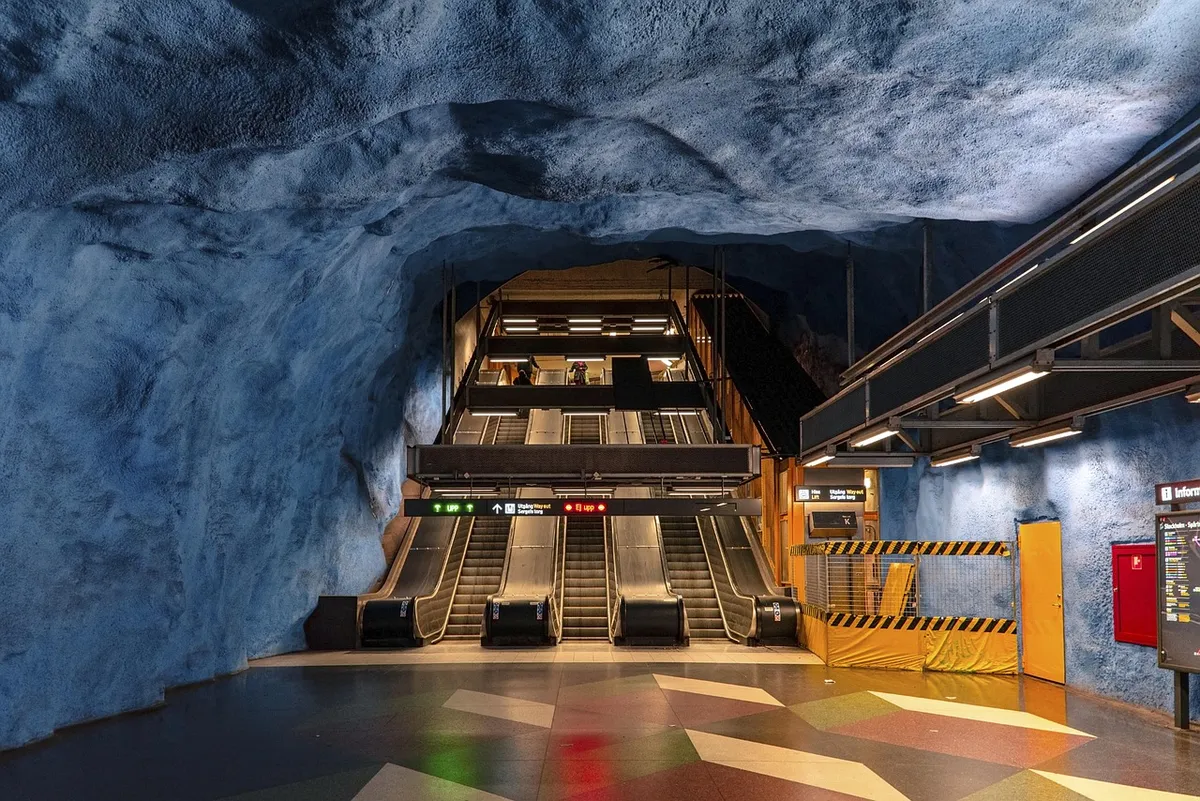
I remember checking the transfer maps at a large station to ensure my connection was on the correct level.
A final check of the platform signage ensures you are boarding the correct direction before the train departs.
| Feature | Primary Function |
|---|---|
| High-Speed Rail | Regional and inter-city transit |
| Metro Network | Local and intra-city movement |
The same subject is also called Shanghai transport links.
The same subject is also called High speed rail access.
Shanghai rail air transit
Related
- Guide to modern commerce: Shanghai artist tour 121.9
- Shanghai Metro Map Guide: Line expansions guide your journey
What is the relationship between the modes of transport?
The sheer scale of a modern metropolis necessitates that these different modes of transport function as a single, cohesive organism. High-speed rail provides the backbone for long-distance journeys, while the metro offers the necessary capillaries for local circulation within the urban expanse.
According to World Bank data, China recorded share of internet users of 91.6% in 2025.
The aviation component provides the necessary connection to global flows, making the integration at the hub crucial for any traveler attempting to move through the system efficiently.
The logistical layering of the city is evident in how these three systems—rail, metro, and air—are not merely adjacent but functionally dependent upon one another.
The metro network, in particular, provides the detailed, granular movement that allows the larger regional movements facilitated by the high-speed rail to successfully terminate in the city center.
The success of the entire transit operation hinges on the ability of the traveler to transition between these modes with minimal delay.
This seamless transition is what defines the successful navigation of the Shanghai transit hub connection, allowing the massive flows of people to move purposefully through the urban fabric.
How does the sheer scale of the metropolis manifest in transit?
The sheer scale of a modern metropolis is most apparent in the sheer volume of people moved through the transit system. The metro network handles the constant, high-frequency movement within the urban core, while the high-speed rail manages the influx from outside the city limits.
This division of labor between the modes is essential for the city's sustained operation.
The integration of air and rail travel demonstrates the city's role in global movement. The aviation component allows the metropolis to connect with international flows, while the rail provides the high-volume backbone for regional arrivals and departures.
This combined functionality underscores the city's importance as a major node.
The logistical layering means that the local metro movement supports the larger regional journeys facilitated by the high-speed rail.
The success of the entire transit operation depends on the traveler's ability to move through these layers without significant delay, allowing the massive flows of people to navigate the urban fabric successfully.






Comments 0