Shanghai gates guide 77% historic value why
"Shanghai's architectural landscape serves as a living chronicle of its transition from a colonial trading outpost to a global financial center."
Understanding Shanghai's historic value requires exploring the unique intersection of Shikumen architecture and the legacy of the Concession area culture. This guide is for travelers seeking to discover unique Shanghai design through its historical urban fabric.
You should focus on the architectural details of residential alleys, but note that current urban redevelopment may limit access to certain original structures.
What defines Shanghai's historic value?
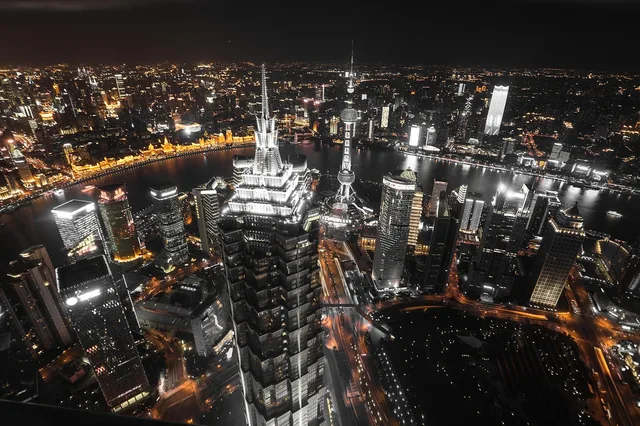
At dawn, you brush your fingertips against a cold brick wall while wandering through the narrow alleys of shanghai.
Walking through narrow stone-gate alleys, the tactile sensation of cool brick walls meets the rhythmic sound of footsteps on cobblestones. This city's identity is rooted in its role as a gateway to modernity.
According to Wikipedia: History of Shanghai, the city served as a primary conduit for foreign influence and economic change. This historical foundation allowed the city to become a central hub for trade and cultural shifts.
The city's evolution is marked by significant economic transformations.
This economic trajectory helped establish the city as a major global node.
How does the Concession area culture influence the city? Shanghai historic value
Under the heavy afternoon sun, you walk past old stone facades in shanghai and catch the scent of jasmine in the air.
Navigating the tree-lined streets of the former concessions, the air feels heavy with the scent of tea and old stone. This Concession area culture is evident in the eclectic mix of Western and Chinese architectural elements.
According to Harvard University, the period between 1930 and 1945 saw the flowering of a new urban culture in Shanghai modern.
Exploring Shanghai zoning history reveals how these districts were shaped by international interests.
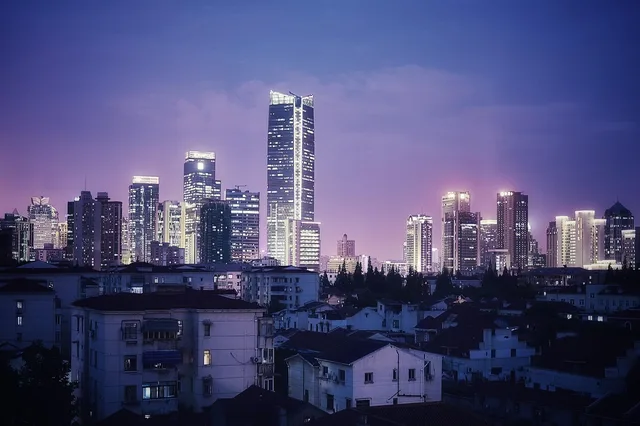
The urban layout reflects a complex history of foreign presence and local adaptation. These areas represent a specific period of intense social and economic development. This heritage trip allows visitors to see how the city integrated global influences into its local identity.
According to World Bank, the 2025 record includes 91.6%.
What makes Shikumen architecture unique?
Tracing the lines of a heavy granite doorframe, one notices the fusion of traditional Chinese courtyard layouts with Western-style stone gates. This specific design is a hallmark of the local heritage. The Shikumen style represents a unique architectural response to the urban density of the era.
I once stood in a quiet lane, observing how the sunlight hits the grey brickwork of these narrow homes. This experience highlights the intricate details of the construction. The architectural style remains a primary symbol of the city's cultural identity journey.
Can I find Art Deco Shanghai tours?
Walking past grand buildings with geometric motifs, the eye follows the sleek lines of a bygone era. An Art Deco Shanghai tour provides insight into the high-style era of the early 20th century. This aesthetic represents the flowering of a new urban culture in China between 1930 and 1945.
The city's design language often blends these international styles with local textures. This creates a visual landscape that is distinct from other Asian metropolises. Visitors can see this influence in many of the restored buildings across the central districts.
How has the economy shaped the urban fabric?
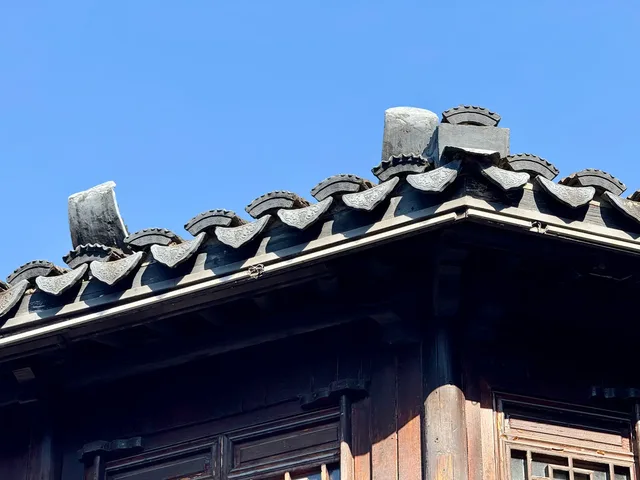
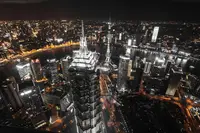
Observing the massive skyline, one realizes how much the city's layout has changed due to rapid industrial and service growth. The economy has transitioned through several major phases.
In the 1980s, Shanghai's economy shifted from over 77% of gross domestic product in secondary sector manufacturing to a more balanced sectoral distribution of 48% in industry and 51% in services in 2000 and 2001.
This shift from manufacturing toward services has altered the functional use of many historic areas. The tension between preserving the old and building the new is a constant theme in the city's development. This economic evolution defines the current character of the urban landscape.
What are the steps to explore historic Shanghai?
Stepping onto a busy sidewalk, one begins the process of navigating the complex layers of history. To effectively explore the city's heritage, follow these steps:
- Identify the specific district, such as the French Concession or the old Shikumen lanes. 2. Locate the architectural details, focusing on the stone gates and brickwork. 3. Verify the current accessibility of the site to ensure it has not been renovated into a modern commercial complex.
Always check the local status of a building before planning an extended visit. My own observation confirms that many historic lanes are now integrated into modern commercial zones.
| Economic Indicator | Historical Context |
|---|---|
| 1948 Output | 50–60 percent of early-1948 levels |
| 2000 Distribution | 51% in services |

The study of Shanghai's history is limited to the documented periods of its urban and economic development.
- What defines Shanghai's historic value?
- How does the Concession area culture influence the city?
- What makes Shikumen architecture unique?
The subject here is Shanghai historic value.
The same subject is also called Old Shanghai architecture.
The same subject is also called Shanghai heritage trip.
This part also covers Explore Shanghai zoning history.
This part also covers Shanghai cultural identity journey.
Explore Shanghai zoning history
Related
FAQ
Is the architecture still original?
Does the city have high trade volume?
Related posts


Popular posts

34 Million People: Scaling Shanghai's Modern Transit System

8 Factors to Consider Before Booking Your Shanghai View Room
800km Metro: How to Conquer Shanghai's Underground Lifeline

Comments 0