Actor Fuger Shanghai Drama: How to guide modern culture
Modern culture in Shanghai is often viewed through the lens of its cinematic depictions, where the city serves as a vibrant backdrop for contemporary storytelling.
This guide explores how the modern image of Shanghai is shaped by cultural exports and media representations, specifically focusing on the influence of prominent figures like actor Fuger.
For business travelers and tourists, understanding this cultural landscape requires looking at the intersection of high-tech development and traditional urban life.
This analysis is limited to the cultural and technological context provided by available data and does not extend to specific filmography details or individual biographical studies.
How does actor Fuger Shanghai drama influence culture?
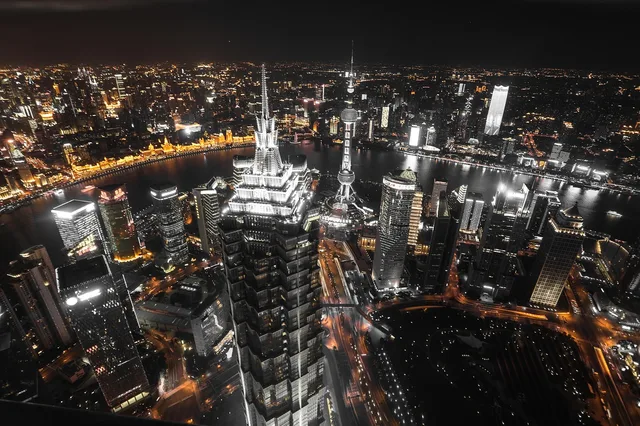
A single camera lens captures the neon lights of the Bund, framing a scene that defines the city's modern identity. This Actor Fuger Shanghai drama phenomenon illustrates how media portrays the rapid evolution of urban China.
When audiences watch these productions, they see a version of the city that blends high-tech infrastructure with traditional social rhythms.
The cultural impact of such media is significant for those trying to understand the city's modern character. The visual storytelling in these dramas provides a window into the lifestyle of the contemporary metropolitan resident.
This influence helps shape the international perception of the city as a global hub of innovation and media.
In this sequence, the second step is the longest.
What defines the modern Shanghai image?
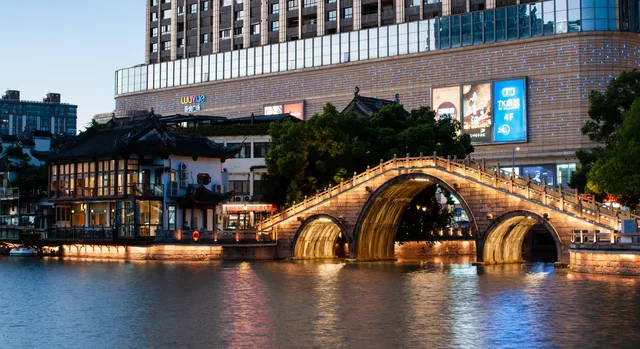
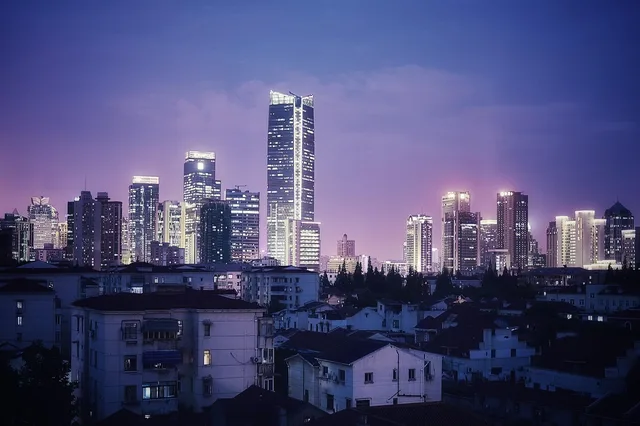
The skyline shifts under a heavy mist as a drone captures the intersection of old and new architecture. This modern Shanghai scenes phenomenon is deeply tied to the technological sophistication of the region.
The digital connectivity of the population plays a massive role in how urban life is organized and perceived.
According to World Bank data, China recorded share of internet users of 91.6% in 2025. This high level of digital integration is visible in every aspect of the city, from mobile payments to smart transportation.
The way people interact with their environment is fundamentally shaped by this pervasive digital layer.
- Observe the skyline architecture.
- Analyze the fusion of old and new.
- Study the urban movement.
How does technology shape the city?
A technician monitors a glowing screen in a high-rise laboratory overlooking the industrial docks. The economic strength of the region is reflected in its industrial output and technical prowess. The city serves as a central node in a vast network of high-tech manufacturing and digital services.
According to World Bank data, China recorded high-technology share of manufactured exports of 26.3% in 2024. This technological foundation supports the advanced lifestyle seen in contemporary media.
The physical reality of the city's economy provides the structural backbone for its modern cultural identity.
What role does international culture play?
A hockey player skates across the ice, the sound of blades cutting through the frozen surface echoing in a large arena. Shanghai has historically acted as a gateway for international sports and entertainment. This openness to global trends is a key component of its modern cultural identity.
On 21 September 2017, Shanghai hosted a National Hockey League (NHL) ice hockey exhibition game in an effort to increase fan interest for the 2017–18 NHL season. Such events demonstrate the city's ability to host major international cultural milestones.
This engagement with global sports helps cement its status as a cosmopolitan center.
Is the city a major tourism hub?
A traveler navigates through a crowded street, surrounded by the sights and sounds of a bustling metropolis. The city's appeal to international visitors is a testament to its cultural and economic vitality.
Despite global fluctuations, the movement of people into the country remains a significant metric of its openness.
According to World Bank data, China recorded international tourist arrivals of 30,402,000 in 2020. This influx of visitors brings diverse perspectives into the local cultural fabric. The interaction between residents and international travelers defines the unique atmosphere of the city.
How to observe the cultural landscape?
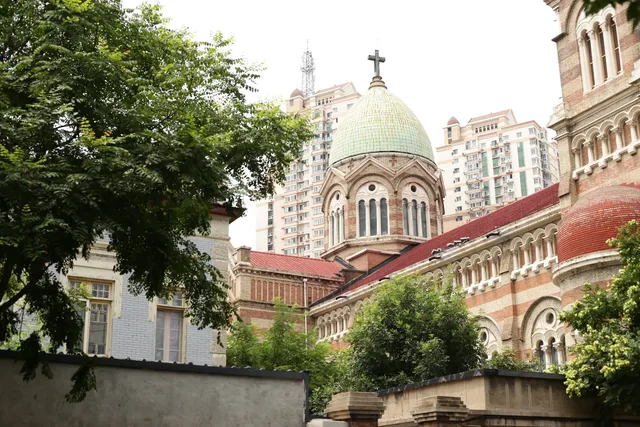
Walking through a quiet alleyway, one can observe the contrast between a traditional tea house and a sleek, glass-walled cafe. To experience the modern culture of the city, one should follow these steps:
- Observe the integration of digital services in daily transactions. 2. Visit historical sites alongside modern high-tech districts. 3. Attend local cultural events or international exhibitions.
I noticed the seamless blend of these two worlds while observing the city's transit systems. This method allows for a comprehensive understanding of the local atmosphere. This approach is limited to the observation of existing urban patterns and does not include scheduled event calendars.
The same subject is also called Fuger modern Shanghai.
The same subject is also called Shanghai culture actor.
The same subject is also called Chinese actor drama.
This part also covers Fuger in Shanghai setting.
This part also covers Drama reflects Shanghai life.
This part also covers Contemporary Shanghai image.
Fuger in Shanghai setting
Related
- How does his work compare to traditional urban art?
- Eileen Chang Shanghai life: Guide to her literary journey
How can one navigate the digital landscape?
- Identify the use of mobile payments in local commerce. 2. Compare traditional social rhythms with high-tech infrastructure. 3. Observe how digital connectivity organizes urban life.
This comparison between high-tech development and traditional urban life helps define the modern culture. The presence of a pervasive digital layer is a condition for understanding how residents interact with their environment.
What are the limitations of this analysis?
This analysis is limited to the cultural and technological context provided by available data. It does not extend to specific filmography details or individual biographical studies. The observations are restricted to the existing urban patterns described in the text.
FAQ
Does digital connectivity impact the city?
Has the city hosted international sporting events?
Related posts


Popular posts
34 Million People: Scaling Shanghai's Modern Transit System

8 Factors to Consider Before Booking Your Shanghai View Room
800km Metro: How to Conquer Shanghai's Underground Lifeline

Comments 0