Shanghai Metro: Navigating the City's Pulse with Efficiency
"In Shanghai, the road belongs to the trains, and the license plate belongs to the city's policy."
If you are moving from a car-centric city to this massive metropolis, the first thing you will realize is that owning a car is not a status symbol of freedom, but a complex logistical challenge. Instead, the pulse of the city beats through its massive underground network.
Key Takeaways * The Metro is the undisputed backbone of Shanghai, moving millions of people with surgical precision. * Vehicle ownership is heavily regulated through auction-based license plate systems and strict road access policies.
* Digital payments via Alipay or WeChat are essential for seamless transit tapping. * For most travelers and business professionals, the Metro is faster, cheaper, and more reliable than private cars.

Why is Shanghai's Public Transit System So Dominant?
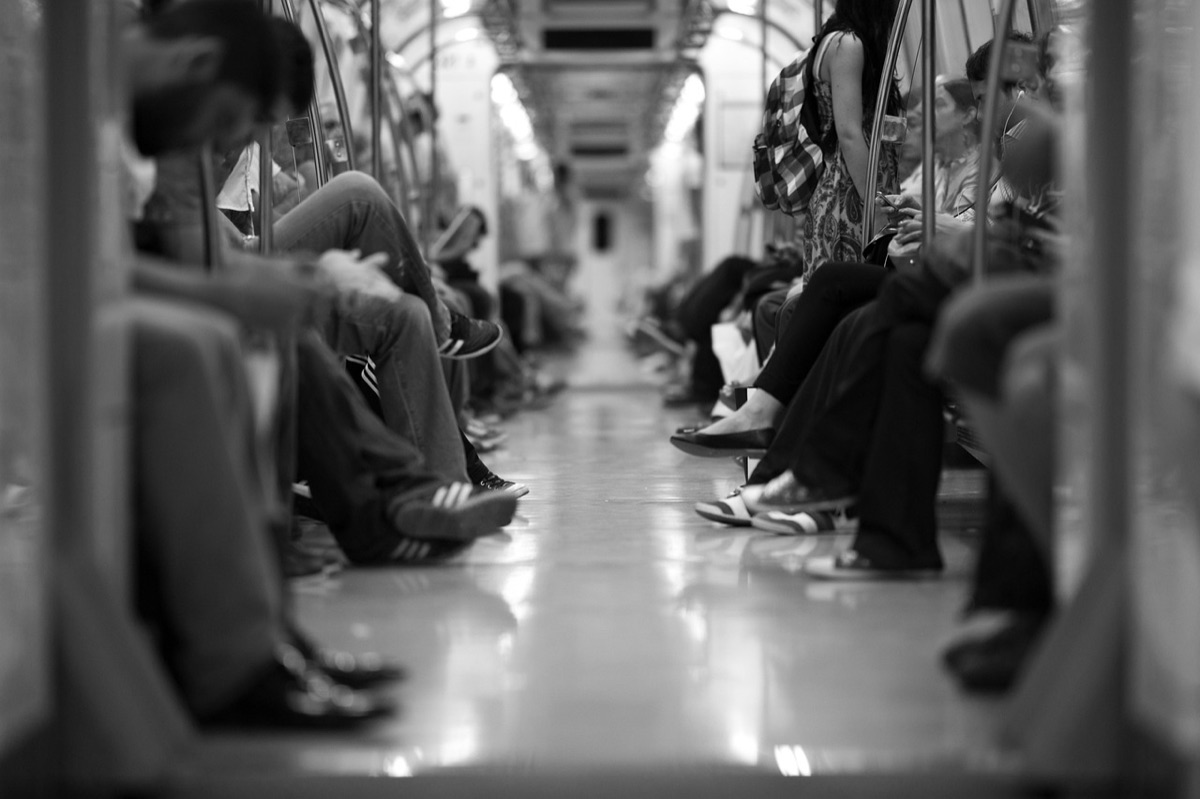
The morning rush at People's Square station feels like stepping into a synchronized human tide. Thousands of commuters move in rhythmic waves, guided by digital signage and the steady hum of the underground.
According to the International Congress and Convention Association, Shanghai hosted 82 international meetings in 2018, representing a 34% increase from the 61 meetings held in 2017.
The scale of this system is difficult to grasp without looking at the numbers. In the early 2000s, the efficiency was already being established; for instance, the coverage of operating costs from the ticket revenue of Shanghai metro lines 1 and 2 was over 100% in the years 2000 to 2003.
This level of self-sufficiency allowed the network to expand aggressively.
Today, the system handles a massive portion of the city's movement. In 2004, the average daily passenger flow of rail transit was 1.32 million trips, which represented 10.9% of the total public passenger traffic in the city—a significant jump from just 3.8% in 2000.
As the city grew to an estimated metropolitan population of 34 million according to the OECD, the rail system became the only way to prevent total gridlock.
Payment is no longer about carrying heavy coins or paper tickets. Most travelers use QR codes on their phones. You simply open your transit app, scan the code at the turnstile, and walk through.
If you are transferring between lines within a certain timeframe, the system often applies automatic discounts, making long-distance travel across the city remarkably affordable.
But how do you actually manage the transition from the platform to the street without getting lost in the massive terminal?
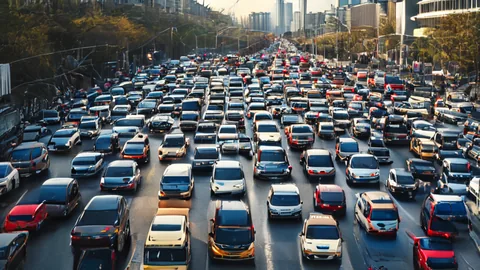
How can I navigate Shanghai's driving rules? A sleek black sedan sits idling at a red light in the Jing'an District, the driver glancing at a dashboard full of navigation alerts. Outside, the sheer volume of traffic makes the driver look both hurried and trapped.
Driving in Shanghai is not as simple as having a license and a car. The city manages its massive population through strict vehicle access policies. One of the most significant hurdles is the license plate system.
In many major Chinese cities, including the logic applied in Shanghai, getting a plate often involves a competitive auction or a lottery system. This keeps the number of cars on the road manageable.
The cost of driving extends far beyond the purchase price of the vehicle. There are various variable costs, including potential charges for entering certain restricted zones or specific peak-hour regulations.
When you compare the cost of maintaining a private vehicle—including insurance, parking in tight urban spaces, and the "cost" of the license plate itself—against the affordability of mass transit, the math heavily favors the Metro.
However, the ease of the Metro doesn't mean it's always intuitive for a newcomer.
How can I make my trip a success? A traveler stands at a massive intersection in Pudong, staring at a digital map that displays dozens of intersecting lines. They pull out a smartphone, scan a QR code at a kiosk, and head toward the escalator.
For those visiting for business or tourism, the transition to the Metro can be intimidating but is actually quite logical. I remember my first time at Shanghai South Railway Station; the sheer scale of the halls made me feel like I was in a labyrinth rather than a transit hub.
Follow these steps to master your first journey:
- Set up Digital Payment First: Before you even land, ensure your Alipay or WeChat Pay account is linked to an international credit card.
- Locate the "Transport" Mini-App: Within Alipay, look for the transit/Metro icon. This generates the QR code you will use at the turnstile.
- Check Your Route: Use mapping apps like Apple Maps or Amap (Gaode) to see which line color corresponds to your destination.
- Tap In and Tap Out: You must scan your code at the start of the journey and again when exiting to calculate the fare.
- Watch the Exit Signs: Shanghai stations are massive. Always look at the overhead signs to الف ensure you are exiting toward the correct street or landmark.
For business travelers moving between the NECC (National Exhibition and Convention Center) and downtown hotels, the Metro is often the only way to guarantee you arrive on time for a meeting. Traffic jams on the elevated highways can turn a 30-minute drive into a 90-minute ordeal.
But what happens when the subway doesn't reach your final destination?
Beyond the Metro: Buses and Surface Transport
A bright red bus pulls up to a curb in the French Concession, its doors hissing open as passengers step out into the dappled sunlight of the tree-lined street.
While the Metro handles the heavy lifting, the bus network serves as the vital capillary system of the city. Buses reach the deeper residential pockets and narrower streets where the subway lines might not penetrate.
The system is designed for multi-modal travel. You can transition from a subway line to a local bus or a tram with ease. Because the ticketing systems are integrated, your digital transit pass works across different modes of transport.
This allows for a seamless transition from the high-speed underground to the surface-level streets. Modernization is also visible here; many of the city's bus fleets are moving toward new energy, electric models, enough to keep the air cleaner in the dense urban corridors.
Even with the buses running frequently, travelers often face a difficult choice between public transit and private hire.
Planning Ahead: Transit vs. Private Hire
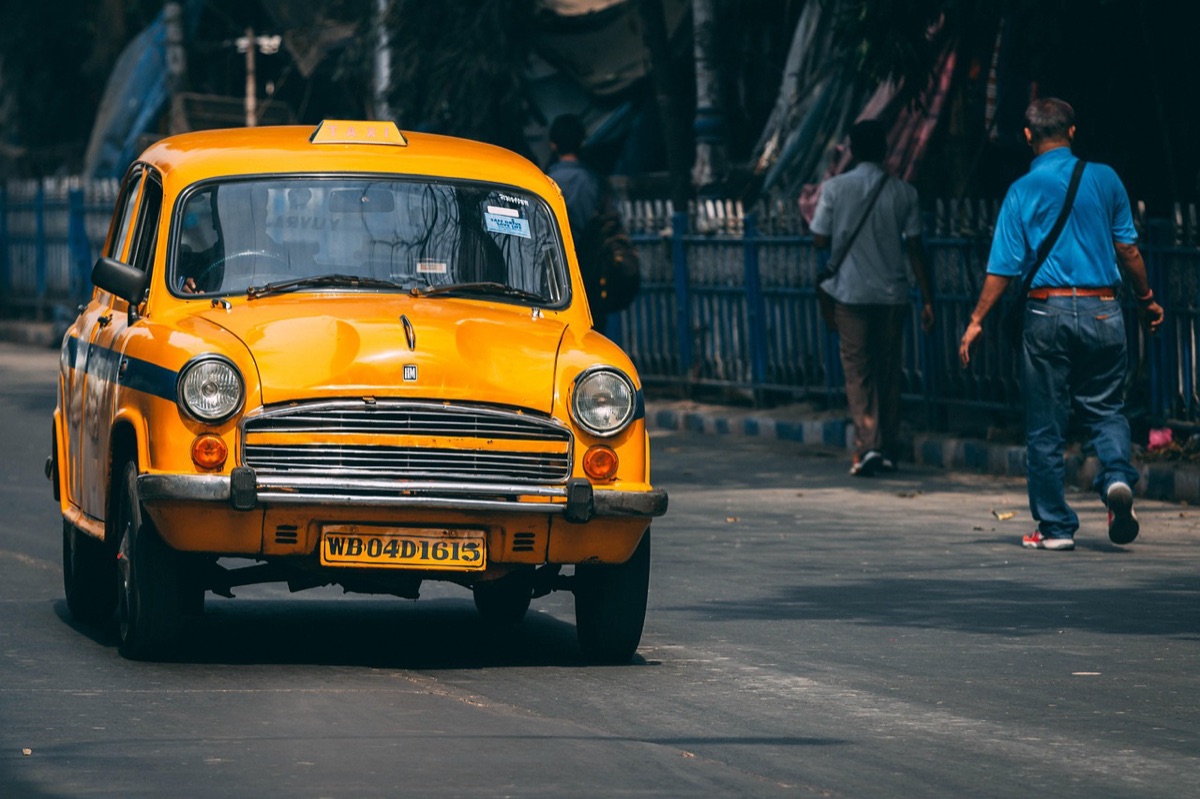
A taxi driver sits in his car, checking his watch while waiting for a passenger to emerge from a shopping mall. He glances at the meter, which sits at a low idle. According to World Bank data, China recorded a GDP per capita of US$13,862 in 2025.
When deciding how to get around, you must weigh the cost and the time. A short-haul taxi ride might be convenient, but it comes with hidden variables. For example, drivers may apply specific waiting charges if they are required to stay with you during a stop.
| Feature | Metro / Public Transit | Private Hire (Taxi/Didi) |
|---|---|---|
| Cost | Extremely low and predictable | Variable (depends on traffic/distance) |
| Speed | High (avoids road congestion) | Subject to heavy traffic jams |
| Reliability | Very high (scheduled intervals) | Moderate (depends on road conditions) |
| Ease of Use | Requires walking/transfers | Door-to-door service |
For a quick trip across a single district, a private hire might be tempting. However, for moving across the city—say, from Pudong to Puxi—the Metro is almost always the superior choice.
If you are traveling during peak hours (7:30 AM – 9:30 AM and 5:30 PM – 7:30 PM), the road-based transit will likely be much slower than the rail.
#





Comments 0