Nanjing Road shopping tips to find local bargains
"To walk through the neon-lit corridors of Shanghai's most famous thoroughfares is to witness the pulse of a global economy, where tradition meets the towering ambition of the skyline."
Navigating Nanjing Road shopping requires understanding the distinction between high-end commercial stretches and the deeper, more local pockets found near the Pudong district.
This guide helps travelers identify where to find luxury goods versus local bargains, how to time visits based on seasonal weather, and how to navigate the massive economic scale of the area.
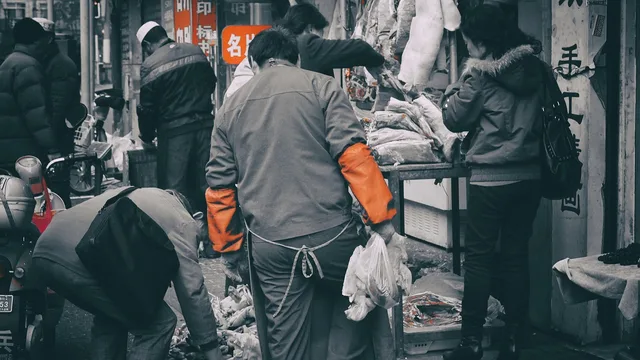
You should avoid the most crowded midday intervals to ensure a smoother experience, though keep in mind that specific local boutique locations are not established in the provided data.
* Identify the distinction between luxury zones and local markets. * Plan visits according to the average annual temperature of 17.2 °C (63.0 °F). * Recognize the economic significance of the surrounding Pudong district.
Where can I find the best Nanjing Road shopping tips?
A shopper stands on a busy corner, clutching a map while the scent of street food drifts through the humid air. To find the best Nanjing Road shopping tips, one must look beyond the primary tourist drags and explore the interconnected districts that define the city's commercial character.
The area is deeply influenced by the massive economic engine of Pudong, which is estimated to have a 2025 gross domestic product of CN¥1.88 trillion (US$263 billion).
This economic scale means that while Nanjing Road offers high-end retail, the surrounding infrastructure supports everything from international corporate hubs to massive trade zones.
To shop like a local Nanjing, you should prioritize the smaller side streets that branch off from the main pedestrian malls.
To get the most out of your trip, focus on visiting flagship stores during weekday mornings when the foot traffic is lightest.
How do I use a smart Nanjing shopping strategy?
At dawn, I grip my shopping list tightly while feeling the cool breeze of the nanjing streets.
A person pauses near a storefront, comparing the price of a silk scarf to a mass-produced alternative. Implementing a smart Nanjing shopping strategy involves timing your movement and understanding the district's layout.
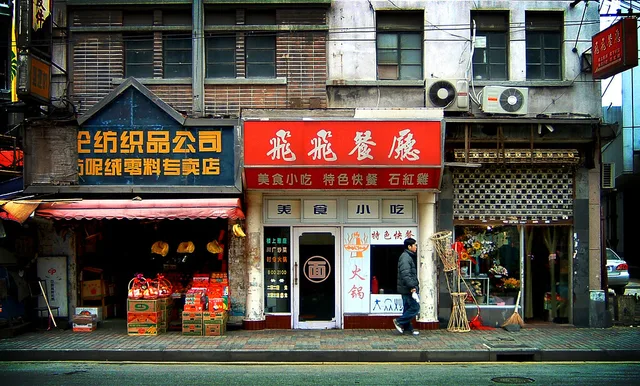
Because the district's climate can vary significantly, your strategy should include seasonal preparation. The average annual temperature in Pudong is 17.2 °C (63.0 °F).
If you are shopping in July or August, expect temperatures around 28.6 °C (83.5 °F), which may make long walks through crowded malls physically taxing. Conversely, January brings temperatures as low as 5.1 °C (41.2 °F).
A local shopping in Nanjing approach involves dressing in layers to accommodate the transition from chilly outdoor streets to heavily heated indoor shopping centers.
- Research major department store discount cycles before heading out.
- Compare prices between high-end malls and street-level boutiques.
- Use mobile payment apps to access exclusive digital coupons.
How can I shop Nanjing Road in large crowds?
A traveler weaves through a dense sea of pedestrians, feeling the heat of the afternoon sun on their neck. Finding effective Nanjing Road shopping hacks often means avoiding the peak hours of the most famous commercial landmarks.
Many visitors flock to the area to see the skyline, which includes the Oriental Pearl Tower, the Jin Mao Tower, and the Shanghai Tower. To avoid the heaviest congestion, visit the major retail hubs during the early morning or late evening.
This allows you to navigate the walkways without the intense pressure of the midday crowds. Using a Nanjing Road shopping guide to map out your route in advance can also prevent you from getting lost in the labyrinthine alleys of the older commercial sections.
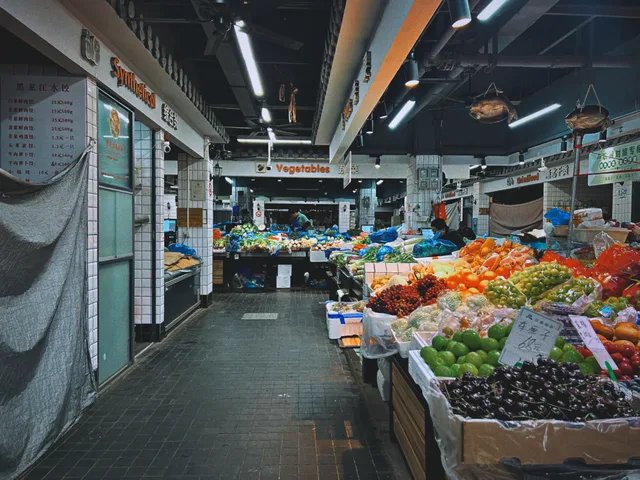
Avoid the main pedestrian thoroughfares during peak weekend hours and instead explore the side streets for a quieter experience.
How can I apply local shopping in Nanjing?
A shopper enters a small, quiet boutique tucked away from the main neon lights, feeling the sudden drop in noise. To successfully master local shopping in Nanjing, follow these steps to ensure a more authentic experience:
- Identify the primary commercial zones and then move one or two blocks away from the main pedestrian artery to find specialized vendors. 2. Check the local weather forecast to ensure your mobility is not hindered by the seasonal temperature extremes of the region. 3. Use public transit to move between the Nanjing Road area and the Pudong district to see the different scales of commerce.
I found that stepping away from the primary tourist landmarks allowed me to see much more interesting, smaller-scale retail displays. After completing these steps, verify that you have checked the closing times for smaller shops, as they often differ from the large malls.
Engage with local vendors by asking about seasonal specialties and checking for regional promotions.
What makes the Pudong area unique for shoppers?
A visitor looks up at the massive glass facades of the Shanghai World Financial Center, feeling small against the architecture. The proximity to Pudong adds a layer of sophistication to the shopping experience.
The traditional area of Pudong is home to the Lujiazui Finance and Trade Zone and the Shanghai Stock Exchange. This area is not just for retail; it is a global financial hub where companies like Google maintain offices in the Shanghai World Financial Center.
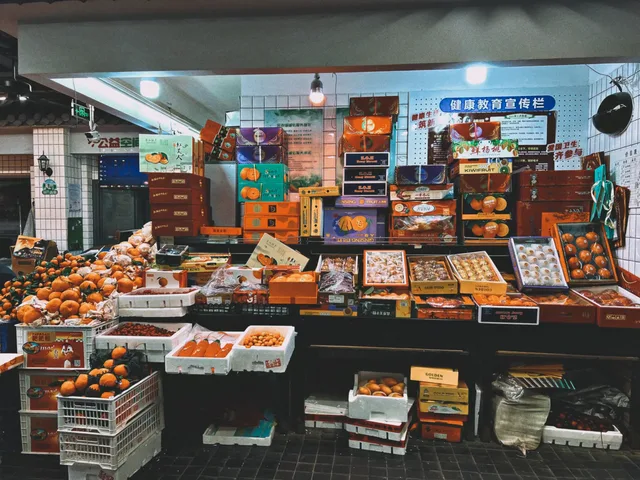
This proximity means that the shopping nearby often caters to a professional, international demographic. A Nanjing Road shopping guide should note that the luxury experience in this region is tied to its status as a major economic driver.
Pudong offers a distinct atmosphere characterized by ultra-modern luxury malls and high-end international designer brands.
Comparison of Seasonal Shopping Conditions
| Season/Period | Average Temperature | Shopping Implication |
|---|---|---|
| Summer (July/August) | 28.6 °C (83.5 °F) | High heat; focus on indoor malls |
| Winter (January) | 5.1 °C (41.2 °F) | Cold weather; requires heavy layers |
Shopping during the winter months often provides better clearance deals, while summer brings more vibrant pop-up events and festivals.
Related
- Shanghai French Concession guide how to see its history
- Nanjing Road shopping like a local why use metro
Should you walk through the main streets or side alleys?
You should walk through the side alleys if you want to find specialized vendors away from the primary tourist drags. While the main pedestrian malls offer high-end retail, the smaller streets branching off from these areas provide a different commercial character.
This comparison allows you to choose between the massive scale of the primary thoroughfares and the more local pockets found near the Pudong district.
How to prepare for temperature shifts?
Prepare for temperature shifts by dressing in layers to accommodate the transition between outdoor streets and heated indoor centers.
Because the average annual temperature is 17.2 °C (63.0 °F), you must account for the difference between the 28.6 °C (83.5 °F) summer heat and the 5.1 °C (41.2 °F) winter cold. This preparation ensures that your mobility is not hindered by the seasonal extremes of the region.
- Check the weather forecast to identify if you are facing summer heat or winter cold. 2. Select clothing that allows for easy transitions between the outdoor air and indoor malls. 3. Plan your route to include indoor shopping during the hottest or coldest intervals.
Wikipedia: Pudong Based on the retained excerpt mentioning Trade Zone Administrative Committee: On April 27, 2015, the People's Government of Pudong New Area is working with China (Shanghai) Pilot Free-Trade Zone Administrative Committee.
FAQ
When is the best time to visit for shopping?
What is the economic scale of the shopping region?
Popular posts
34 Million People: Scaling Shanghai's Modern Transit System

8 Factors to Consider Before Booking Your Shanghai View Room
800km Metro: How to Conquer Shanghai's Underground Lifeline

Comments 0