Shanghai French Concession guide how to see its history
The architectural landscape of the Shanghai French Concession serves as a physical timeline of the city's rapid transition from a colonial outpost to a global metropolis.
The Shanghai French Concession offers a unique window into the urban culture flow of the early 20th century through its preserved colonial architecture. Visitors can trace the historical value of these zones by observing the intersection of European design and local urban planning.
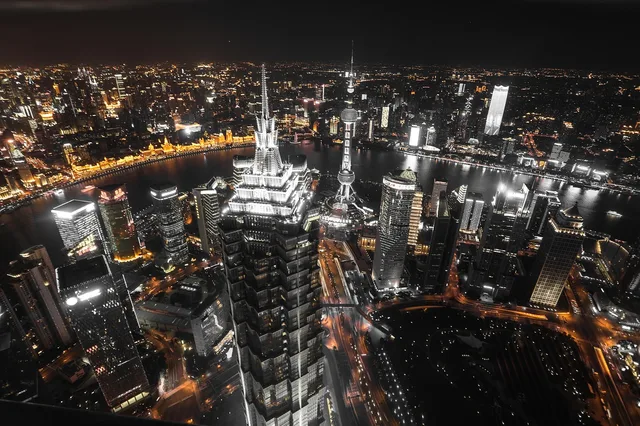
This guide focuses on understanding how these specific districts shaped the modern identity of the city.
* The architectural heritage of the French Concession * The cultural significance of colonial urban planning * Key historical elements within the concession area * The impact of foreign influence on local streets
How does the Shanghai French Concession preserve its history?
Walking down a quiet street lined with plane trees, the shadow of a stone villa falls across the pavement. The Shanghai French Concession maintains its historical identity through the preservation of its unique residential blocks and boulevards.
According to World Bank data, China recorded international tourist arrivals of 30,402,000 in 2020.
This area provides a direct look at how international influence shaped the city's layout.
The preservation of these zones allows travelers to see the architectural styles studied by historians. By walking these streets, one experiences the urban culture flow that defined the era.
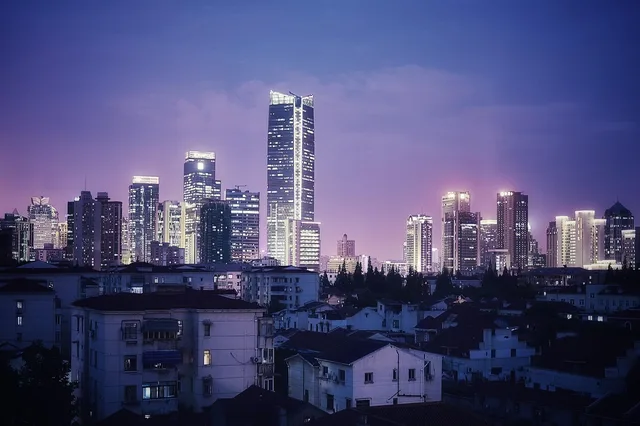
This specific preservation effort ensures that the colonial legacy remains visible amidst the high-rise skyline of modern Shanghai.
- Identify original stone facades.
- Map historical street layouts.
- Document colonial-era signage.
What defines the architectural styles in the concession?
A craftsman once carefully laid the bricks for a townhouse, blending European facades with local materials. The architectural styles found here reflect a complex mix of French, British, and local influences.
These structures are not just buildings but are the physical remains of a specific historical era.
Tracing city history now involves looking closely at the cornices and window frames of these villas. This concession area history is written in the stone and mortar of every corner. While much of the city has modernized, these specific blocks remain a testament to the city's multifaceted past.
In this sequence, the second step is the longest.
According to World Bank, the 2025 record includes 91.6%.
How can travelers trace the city history now?
A traveler pauses near a historical marker to contemplate the era of international settlements. Understanding the city requires looking past the neon lights to the quiet corners of the old concession. This provides a deeper connection to the era when foreign presence was most visible.
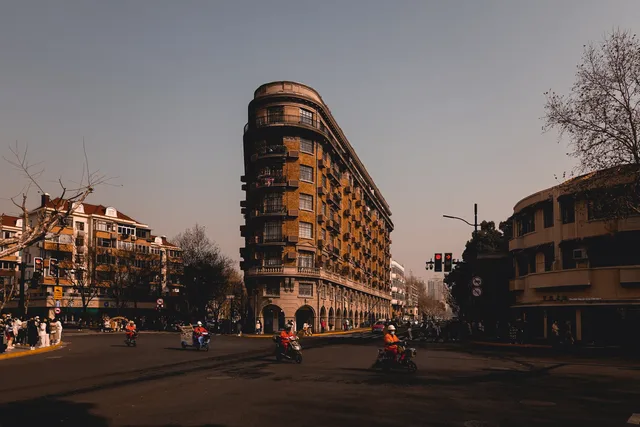
The historical value zones are best explored on foot to notice the subtle details in the masonry. Observing the transition from wide boulevards to narrow alleys helps explain the evolution of the district. This method allows for a genuine connection to the events in French Shanghai.
Why is the French Concession important for urban culture flow?
The rhythmic sound of footsteps on a sidewalk echoes between tall, historic walls. The French Concession acts as a bridge between the old treaty port era and the modern international hub. It represents a period where global ideas were integrated into the local urban fabric.
This area is essential for anyone wanting to understand the social shifts of the early 1900s. The way the streets were laid out dictates the movement of people even today. Understanding this flow provides context for how Shanghai became a globalized center.
What are the limitations of studying this area?
A researcher looks at a map of the old boundaries, noting where the colonial lines met the local outskirts. While the concession is well-preserved, it is important to note that not all colonial-era structures remain intact. The area is subject to constant modern development and urban renewal.
The historical narrative is primarily focused on the international influence during the concession era. This focus may not capture the full complexity of the surrounding local districts. The scope of study is limited to the specific areas designated under foreign administration.
The same subject is also called French Shanghai architecture.
Events in French Shanghai
Related
How does the architectural landscape change?
The architectural landscape changes when modern development meets the preserved colonial blocks. This comparison shows how the high-rise skyline contrasts with the stone villas of the concession. One can observe this transition by looking from the narrow alleys toward the modern city center.
- Identify the colonial-era structures within the designated zones. 2. Compare the scale of these villas to the surrounding high-rise buildings. 3. Observe how the original street layout remains despite modern urban renewal.
Caution is required when navigating areas where construction for urban renewal is active. The presence of modern development means that not every colonial structure remains intact. Travelers should focus on the specific blocks where the historical identity is most visible.
How do the architectural styles compare to modern structures?
The architectural styles of the villas contrast sharply with the high-rise skyline of modern Shanghai. This comparison highlights the transition from colonial-era design to contemporary urban development. One can see the difference by observing the stone villas against the modern city center.
What should visitors watch for during their walk?
Visitors should observe the intersection of European design and local urban planning to understand the historical value. This method requires walking the streets to notice the subtle details in the masonry. One must also be cautious of areas where urban renewal is active.
- Walk through the residential blocks to see the preserved colonial architecture. 2. Look for the specific cornices and window frames that define the era. 3. Compare the narrow alleys to the wide boulevards to see the urban evolution.
FAQ
Is the French Concession still a residential area?
Can I walk through the historical value zones?
Related posts


Popular posts
34 Million People: Scaling Shanghai's Modern Transit System

8 Factors to Consider Before Booking Your Shanghai View Room
800km Metro: How to Conquer Shanghai's Underground Lifeline

Comments 0