Business travel Shanghai shopping guide 15
"Shanghai is not just a destination; it is a pulse of global movement that captures the essence of commerce and culture in a single streetscape."
Navigating the bustling streets of Shanghai for business travelers often leads to a specific intersection of history and modern commerce. This guide explores why Nanjing Road remains a premier destination for those seeking a blend of tradition and retail excellence.
* Understanding the economic weight of Shanghai's trade. * Exploring the historical roots of urban commerce. * Navigating the shift from industrial to service-based economies. * Identifying the reasons for Nanjing Road's enduring popularity.
Why is Shanghai shopping for business travelers so unique?

Walking down a crowded thoroughfare, a traveler feels the weight of a city that serves as a gateway to modernity. The constant movement of people and the scale of retail outlets create an environment where business and leisure intersect seamlessly.
The city's economic significance provides a backdrop for any business trip. Since the 1980s, Shanghai has led China's overall development and experienced continuous economic growth of between 9–15% annually.
This rapid expansion has turned the city into a massive hub for international commerce and professional networking.
The sheer scale of the city's influence is reflected in its trade capacity. With only 0.1% of the land area of the country, it supplies over 12% of the municipal revenue and handles more than a quarter of total trade passing through China's ports.
This density makes it a vital location for professionals.
However, the sheer variety of options can be overwhelming for those on a tight schedule.
How did the city's economic structure change?
Stepping into a modern department store, one might forget that the city's economic identity was once defined by heavy manufacturing. The transition from factory floors to service-oriented retail tells the story of a changing metropolis.
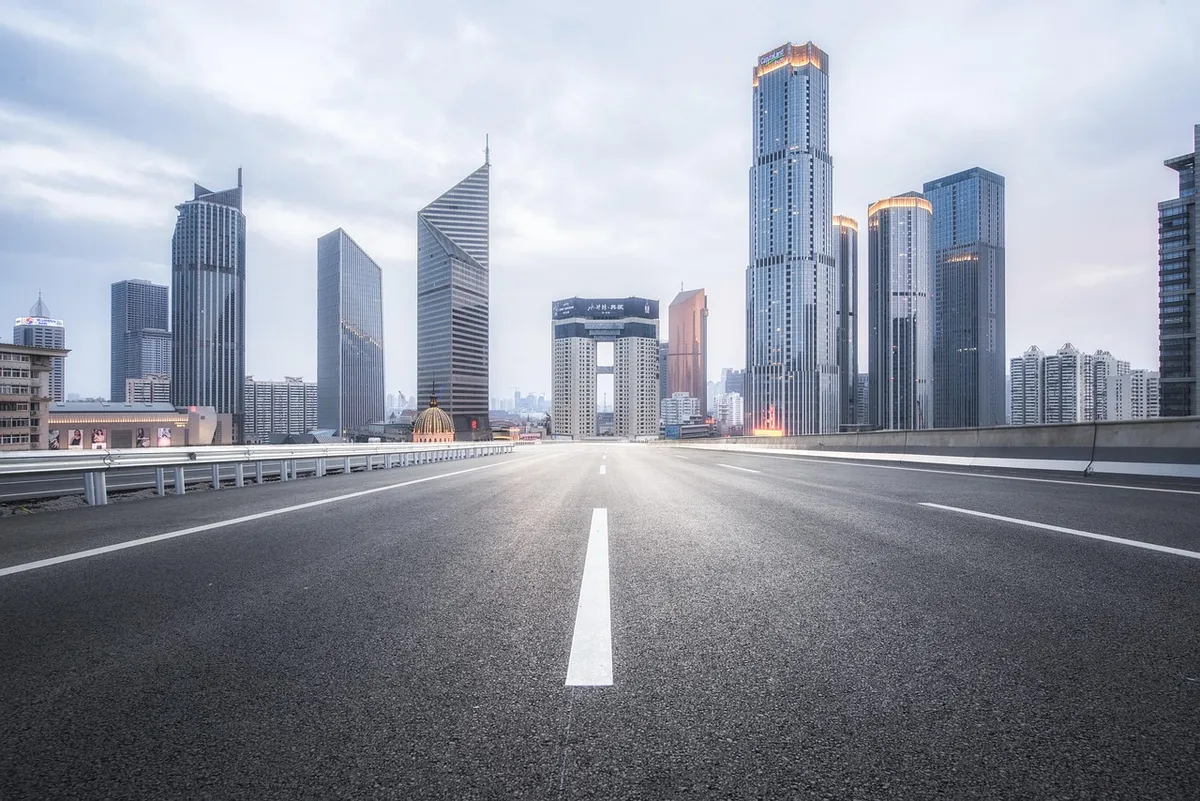
The shift in the economy is evident in how the city manages its wealth. Since the 1980s, the economy shifted from over 77% of gross domestic product in the secondary sector manufacturing to a more balanced sectoral distribution of 48% in industry and 51% in services in 2000 and 2001.
This balance supports a wide variety of retail and professional services.
This evolution makes the city a versatile destination. A professional visiting for a meeting can easily transition to high-end shopping or cultural exploration. The diverse economic sectors ensure that there is always something relevant to the needs of a visiting professional.
This transition reflects how the local market evolved over time.
According to World Bank, the 2025 record includes 91.6%.
What makes Nanjing Road a top spot for business buys?
Looking at the neon lights and high-end storefronts, a visitor sees a concentrated center of commerce. This area acts as a central nervous system for the city's retail activity.
Nanjing Road serves as a primary example of the city's commercial vitality. Because the economy moved toward a service-based model, the retail sector flourished. This provides a Business travel shopping guide that covers everything from luxury goods to local specialties.
Finding high-quality items is easier in such a concentrated area. The density of shops allows for efficient shopping during short breaks between meetings. This efficiency is a key reason why the area remains a staple for those on tight schedules.
- Identify the specific brand requirements for your industry.
- Scout the flagship stores located along the main thoroughfare.
- Compare the quality of goods across different retail tiers.
How can one navigate the history of the city?
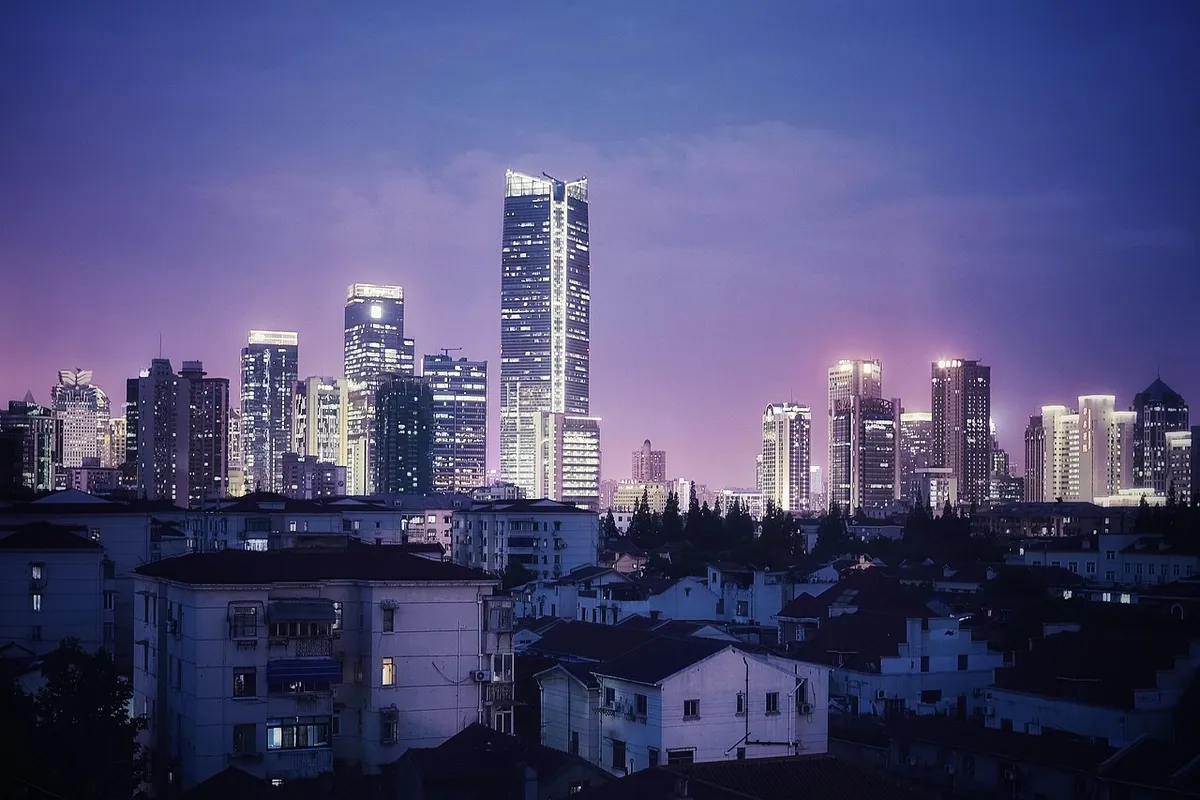
Reading a history book, one realizes that the modern skyline was built on decades of complex trade and social change. The roots of current commerce are deeply embedded in the city's past.
One can understand the city's development through the lens of Shanghai: China's Gateway to Modernity (Stanford University Press, 2009), according to Stanford University.
The legacy of Shanghai is tied to its role as a trade hub.
These historical foundations set the stage for the current commercial landscape.
Understanding this history provides context to the modern shopping experience. The transition from historical trade routes to modern retail corridors shows a continuous thread of economic activity. This continuity makes the shopping experience feel grounded in a larger narrative.
I find that the second step in this exploration is the most time-consuming.
What are the logistics of shopping for business travel?
Checking a digital map, a traveler coordinates their movements between hotels and meeting venues. Efficiently managing time is the priority for anyone on a work trip.
Effective Shanghai shopping for work trips requires understanding the city's layout. The concentration of services in the urban core makes it easier to manage errands. The service-heavy economy ensures that modern conveniences are always within reach.
A successful shopping trip involves planning around a professional schedule. Using the central districts allows travelers to minimize transit time. This allows for a more productive and less stressful visit.
Logistical efficiency may be limited when dealing with heavy bulk orders.
How does the city's growth affect the visitor experience?
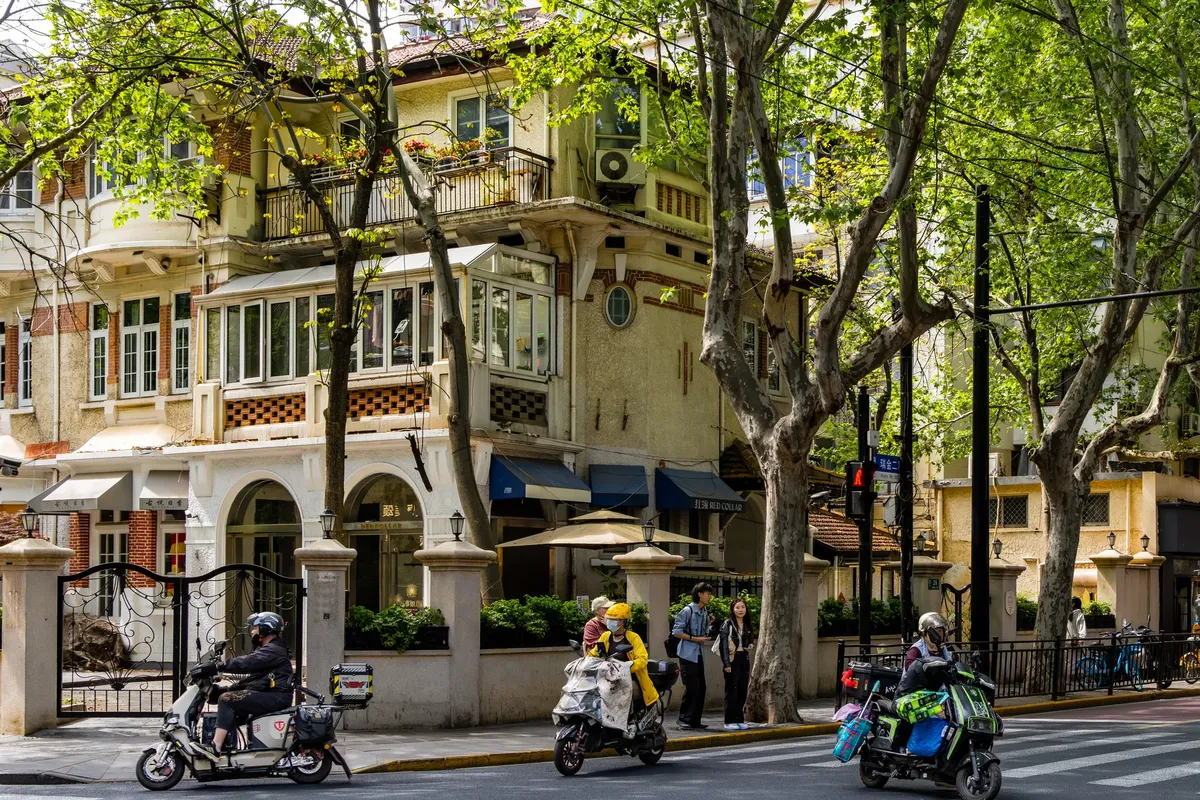
Watching the skyline change, one sees the results of decades of rapid development. The growth is visible in every new building and renovated street. According to World Bank data, China recorded high-technology share of manufactured exports of 26.3% in 2024.
The economic momentum of the region supports its status as a global hub. The scale of growth has shaped the city into a place of constant renewal. This makes every visit feel different from the last.
A Business travel shopping guide must account for this constant change. New stores and updated districts frequently emerge, keeping the shopping experience fresh. This dynamism is a major draw for international visitors.
Rapid development means that some traditional spots may no longer be accessible.
The subject here is Shanghai shopping for business travelers.
This part also covers Why Nanjing Road is popular.
Related
What is the enduring appeal of Shanghai as a destination?
Shanghai remains a premier destination because its commercial vitality is rooted in deep historical trade patterns. The city successfully bridged its past as a manufacturing center with its present role as a service powerhouse.
This successful adaptation is what draws international business travelers alike.
The constant flow of global commerce through Shanghai underscores its modern importance. The city’s ability to sustain high-level trade volume, despite its small land footprint, demonstrates unparalleled economic dynamism.
This density supports the high-end retail experiences found along Nanjing Road.
For a business traveler, Shanghai offers more than just a transaction point; it provides a tangible encounter with global economic forces. The blend of tradition and modernity is palpable when navigating the commercial corridors of the city.


Comments 0