Guide to modern commerce: Shanghai artist tour 121.9
"The intersection of tradition and modern commerce has reshaped the landscape for contemporary creators in East Asia."
This Shanghai artist exhibition tour offers a way to understand how local creators navigate a global market through specific visual works and historical shifts.
You can explore themes of identity and landscape through curated routes, though the scope is limited to the specific artistic shifts mentioned in recent history.
Key takeaways: * Understand the influence of global trade on artist perspectives. * Examine works that reinterpret traditional landscapes through modern photography. * Trace the evolution of collector relationships in the region.
How has global trade influenced the Shanghai artist exhibition tour?
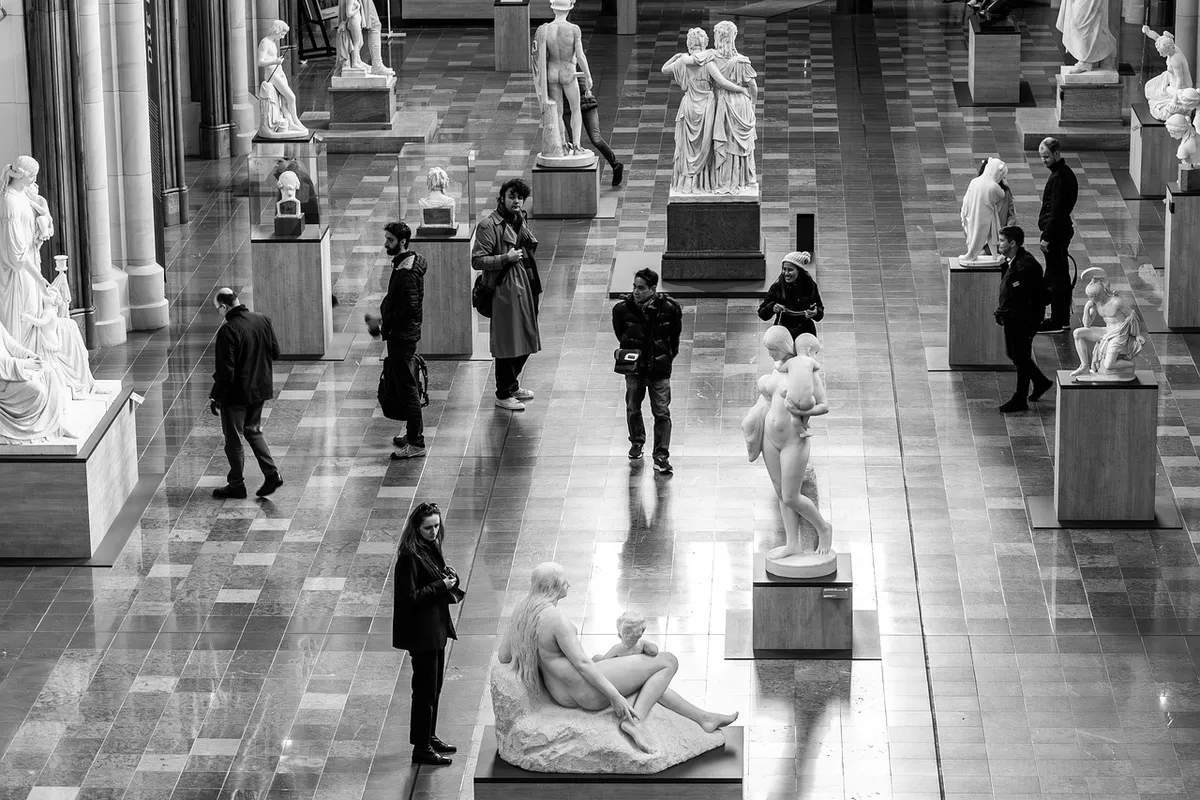
Standing in the bustling harbor at sunset, a curator feels the salt spray on her skin while contemplating the modern shift in the Shanghai artist exhibition tour.
The artists have become more tolerant of Western collectors since China's entry into the World Trade Organization.
An artist stands before a massive canvas, considering how international markets change the way they view their own work. Since China's entry into the World Trade Organization, the artists have become more tolerant of Western collectors.
According to the World Trade Organization, artists have become more tolerant of Western collectors since China's entry into the World Trade Organization.
This shift in the professional landscape has created a more fluid exchange of ideas and styles.
This era of globalization has fundamentally changed the way curators plan a Shanghai artist exhibition tour. It has opened doors for local creators to engage with a much broader audience. The presence of international collectors often drives the selection of works for large-scale museum shows.
The expansion of international shipping routes and digital marketplaces has integrated Shanghai's local art scene into the global economy, allowing artists to showcase unique regional perspectives to a worldwide audience.
What visual styles will I see on the tour? As the morning light hits the gallery floor, a visitor gasps at the sharp contrast of a modern installation during the Shanghai artist exhibition tour.
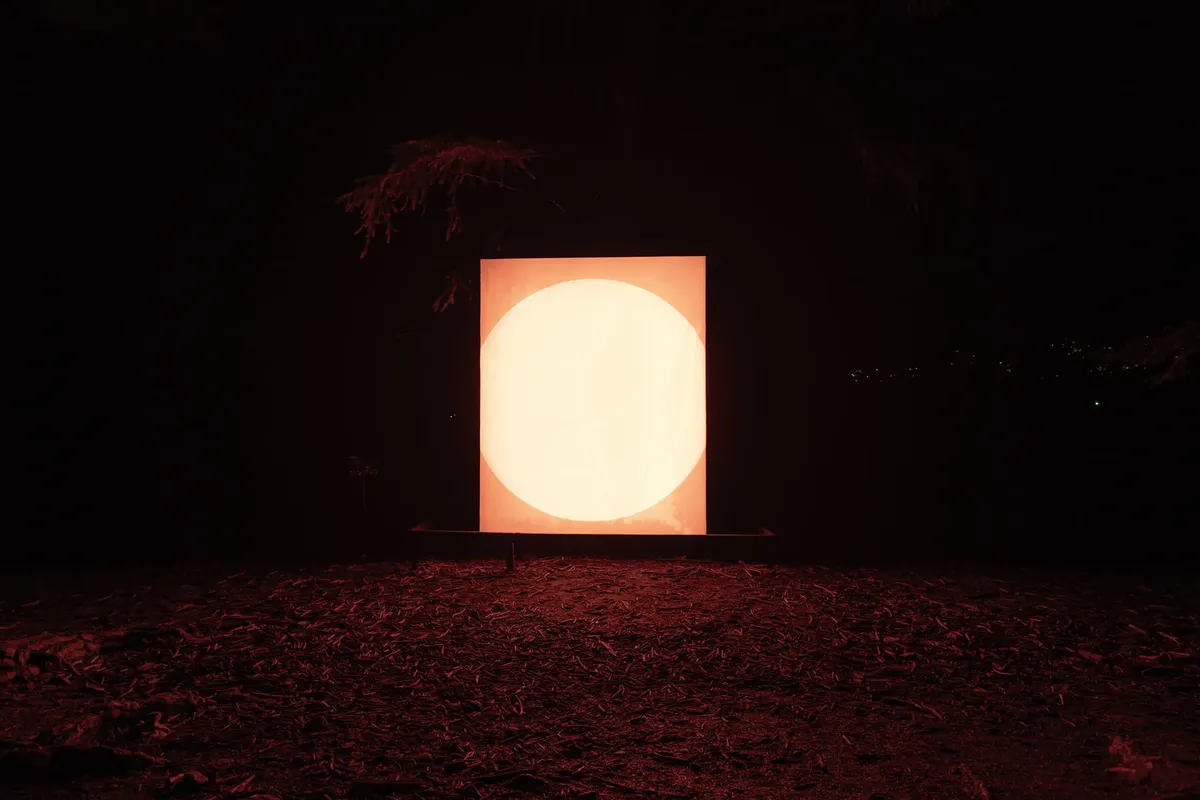
A visitor walks through a quiet gallery, spotting a photograph that looks like a mountain range but reveals a different reality upon closer inspection. One notable work is the Digital B/W Photograph 304.8 x 121.9 cm titled Looks Like a Landscape.
It is a black and white photograph of upturned male buttocks meant to resemble a Chinese mountain landscape.
Exploring these textures is a core part of a Shanghai artist exhibition tour. The juxtaposition of traditional imagery and provocative modern subjects creates a unique tension. It challenges the viewer to look beyond the surface of the medium.
Visitors encounter a diverse spectrum of aesthetics, ranging from traditional ink wash paintings to avant-garde installations that utilize industrial materials.
According to Major League, the 2008 record includes 5 million.
Can I explore history through this artist tour? A researcher digs through archival papers to understand the relationship between economic policy and creative output. The economic shifts following trade agreements have provided a backdrop for much of the contemporary art produced in recent decades.
This context helps visitors understand the motivations behind specific stylistic choices.
Integrating this history into a Shanghai artist exhibition tour allows for a deeper connection to the work. It transforms a simple viewing into an educational journey. Understanding these shifts provides a lens through which to view the current market.
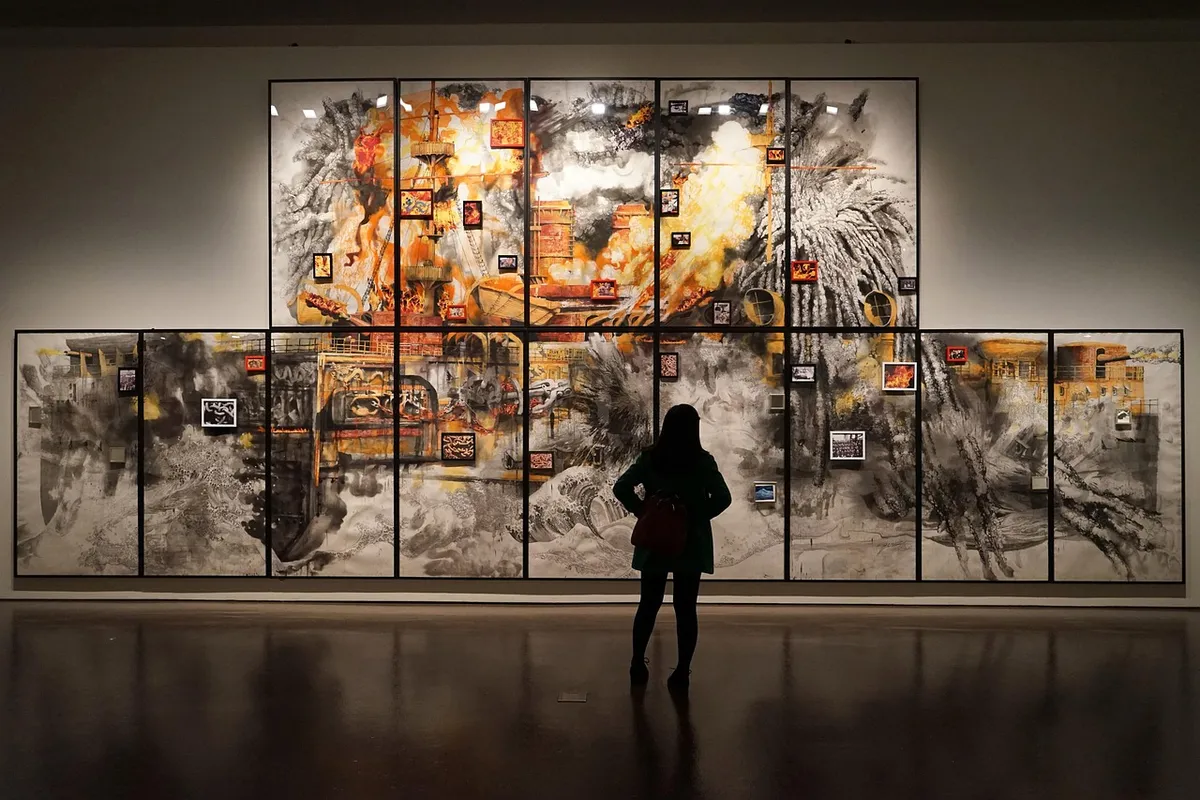
Tracing the evolution of the city's art scene reveals how historical shifts in political and economic power have shaped the themes and mediums used by local creators.
According to World Bank, the 2025 record includes 91.6%.
How do collectors shape a Shanghai artist exhibition tour?
A collector examines a piece of art, weighing its cultural significance against its market value. The relationship between artists and the international community has evolved significantly over the last few decades. This interaction often dictates the themes and scale of exhibited works.
According to World Bank data, China recorded international tourist arrivals of 30,402,000 in 2020.
The presence of diverse buyers makes a Shanghai artist exhibition tour a study in global tastes. Some works are created with an eye toward international museum standards. This professionalization of the art scene influences everything from the size of the pieces to the medium used.
Private collectors often act as patrons, driving the selection of specific movements and ensuring that significant works are preserved and displayed.
What are the steps to plan a professional Shanghai artist exhibition tour?
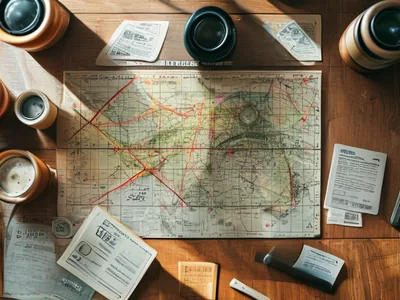
A traveler sits at a café with a map, marking locations of various galleries across the city. Planning a route requires careful consideration of both established museums and smaller, independent spaces. A well-structured plan ensures you see the full breadth of the local scene.
- Research the specific artists to see how their work reflects broader economic or cultural shifts. 2. Map out the physical locations of galleries to minimize travel time between exhibitions. 3. Verify the current exhibition schedules to ensure the works you want to see are on display.
I found that checking the specific dimensions of works, like the 304.8 x 121.9 cm photograph, helped me prepare for the scale of the gallery spaces.
A limitation of this tour is that it focuses on the specific intersection of trade and art rather than purely aesthetic appreciation.
- Curate a selection of artists that represents a cohesive theme or historical narrative.
- Secure reputable gallery spaces and logistical support within the city.
- Coordinate with local guides to provide deep contextual insights during the tour.
Related
- Shanghai Metro Map Guide: Line expansions guide your journey
- What defines the scale of early Shanghai animation art?
How does the intersection of tradition with modern commerce manifest in the art?
The intersection of tradition and modern commerce is evident in the ways contemporary creators address their heritage while engaging with globalized markets. The visual works themselves become a commentary on this dynamic tension between the past and present commercial realities.
This interplay is central to the contemporary artistic statement.
The modern commerce aspect is reflected in the willingness of artists to engage with international buyers whose presence signals a globalized art market. This willingness to participate in global trade routes is a direct outcome of macro-level economic agreements.
The tradition, conversely, provides the deep cultural roots that the artists are reinterpreting through their chosen medium.
Artists frequently blend classical techniques with contemporary subject matter, reflecting the tension and harmony between ancient heritage and rapid urban development.
What cautions should a visitor keep in mind regarding the tour?
A visitor should be mindful that the tour prioritizes a specific kind of critical engagement over sheer aesthetic pleasure. The focus remains heavily on the socio-economic context surrounding the art rather than solely on its visual appeal.
This focus requires the viewer to bring a degree of scholarly awareness to the viewing experience.
The caution arises because the tour frames the art within a specific historical and economic framework. Therefore, the experience is less about passive appreciation and more about active critical analysis of the art's placement in the global sphere.
This critical lens is necessary to fully grasp the artist's intent regarding the intersection of tradition.



Comments 0