Shanghai Hongqiao travel guide: How to reach best transit
"Efficiency in transit is the difference between a seamless journey and a logistical struggle."
To use the Shanghai Hongqiao travel guide effectively, travelers should coordinate their arrival through the integrated airport and high-speed rail terminals. This guide is for international visitors and domestic commuters looking to minimize transfer times between flights and trains.
By aligning schedules and understanding the terminal layouts, you can navigate this massive complex with ease. Key takeaways include utilizing the direct pedestrian connections, preparing for high-volume transit, and recognizing that the hub serves both massive trade fairs and daily commuters.
How to use the Shanghai Hongqiao travel guide for arrivals?
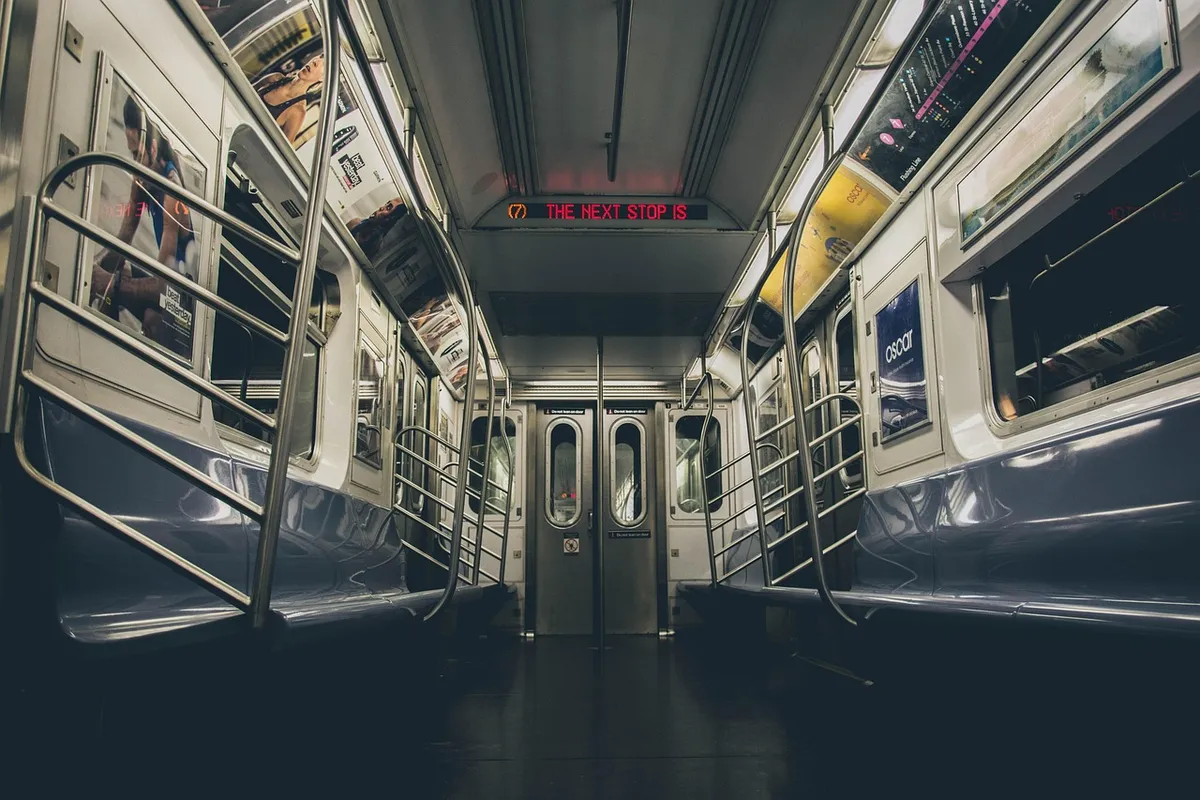
At dawn, you grip the guide tightly while walking through the bustling arrival hall of the Shanghai Hongqiao terminal.
A traveler stands in the center of the terminal, checking a digital screen as the hum of moving crowds fills the air. To use a Shanghai Hongqiao travel guide effectively, you must first identify whether your arrival is via the airport or the railway station.
These two massive components are connected, allowing for quick transitions.
The hub is designed to facilitate movement between air and rail. You can move from the terminal gates toward the railway platforms by following the internal signage that directs passengers toward the high-speed rail section.
This integration is essential for those landing at the airport who need to reach distant provinces quickly.
Follow these steps upon landing: 1. Locate the arrival hall signage for the specific terminal. 2. Clear customs and collect your checked luggage. 3. Proceed to the transportation desk to confirm your connection details.
How can I master transfers at the Hongqiao hub? Walking through a long, glass-walled corridor, a passenger follows the rhythmic sound of footsteps on polished stone. Implementing Hongqiao hub transit tips involves prioritizing the pedestrian walkways that bridge the gap between the aviation sector and the rail sector.
You should allow extra time for security checks and navigation between the different modes of transport. The scale of the facility means that even with clear signs, walking distances can be significant.
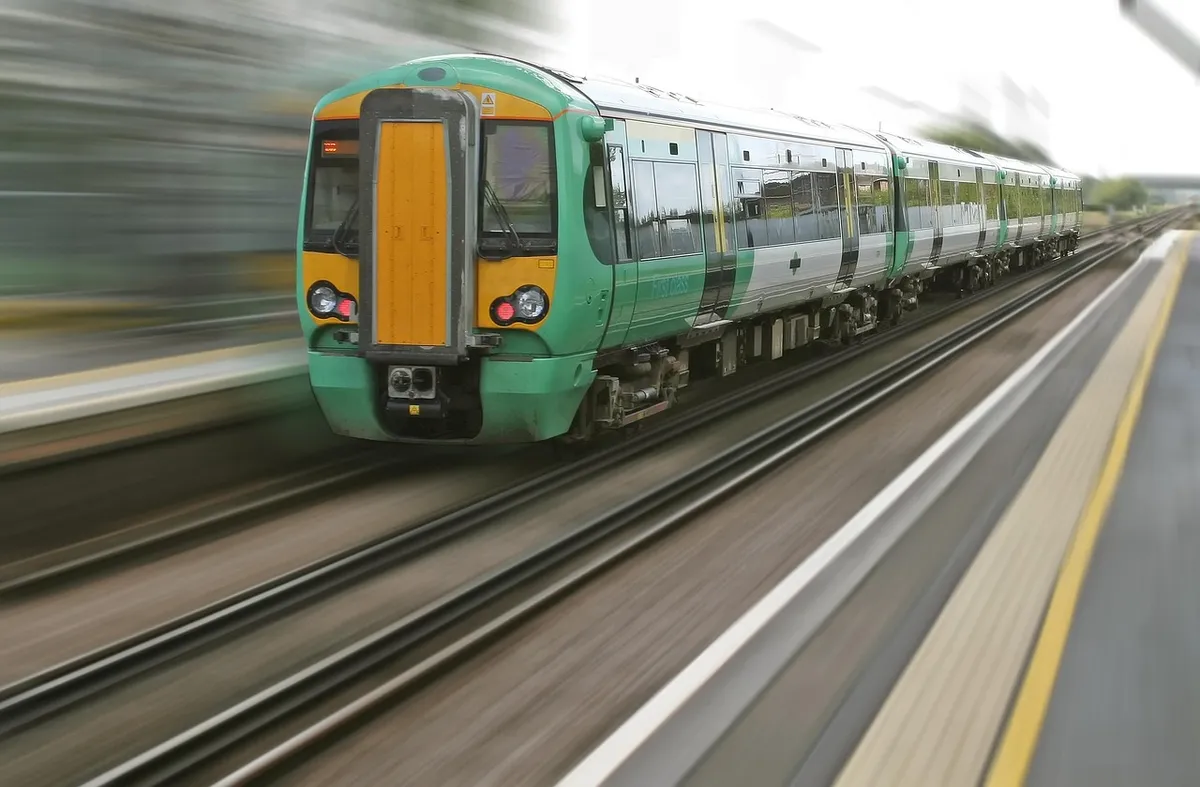
Planning your connection with at least a ninety-minute buffer helps manage the complexity of the hub.
Allow extra time for walking between terminals, as the distance between the airport and the railway station can be significant.
According to World Bank, the 2025 record includes 91.6%.
How can I optimize Shanghai airport link for rail connections?
A commuter grips a suitcase handle while scanning the overhead directional signs near the baggage claim. To optimize Shanghai airport link efficiency, you must utilize the dedicated shuttle buses or the underground walkways that lead directly to the high-speed rail station.
The connection is most efficient when you follow the specialized transit paths designed for transferring passengers. These paths minimize the need to exit the secure zones of the airport before entering the rail station.
This method reduces the total time spent navigating the various levels of the complex.
Use the integrated metro lines to move quickly between the airport terminals and the high-speed rail platforms.
Can I easily connect to high-speed rail in Shanghai? The sharp whistle of a departing train echoes through the high-ceilinged station as passengers board their carriages. Managing high speed rail to Shanghai transfers requires having your digital or paper ticket ready before you reach the boarding gate.
The station is a central point for many lines, meaning you can reach various parts of the region quickly. Ensure you are at the correct platform well in advance, as the station is vast.

You can use the integrated transit system to move from the airport terminal to the rail platforms without leaving the hub area.
The connection is straightforward due to the direct walking paths and clear signage connecting the rail station to the local transit network.
What is the most efficient travel through Hongqiao hub method?
Stepping onto a moving walkway, a traveler feels the smooth motion as they glide toward a departure gate.
During these periods, the hub experiences much higher density.
Navigating during these times requires sticking to the main arterial walkways and avoiding crowded side corridors.
Utilizing the underground metro system is generally the fastest way to navigate the various components of the hub.
Using Hongqiao transport center for large events
A visitor walks toward the massive entrance of a convention center, feeling the energy of a busy trade fair. Using Hongqiao transport center facilities during major exhibitions requires checking local transit schedules specifically for event-related surges.
According to World Bank data, China recorded high-technology share of manufactured exports of 26.3% in 2024.
The hub serves as a gateway for global commerce. Because the facility hosts premier events, the transit flow changes based on the event calendar. Being aware of these dates helps you avoid unexpected congestion during your transit.
| Feature | Airport Terminal | Railway Station |
|---|---|---|
| Primary Function | International/Domestic Flights | High-Speed Rail |
| Connectivity | Directly linked to Rail | Directly linked to Airport |
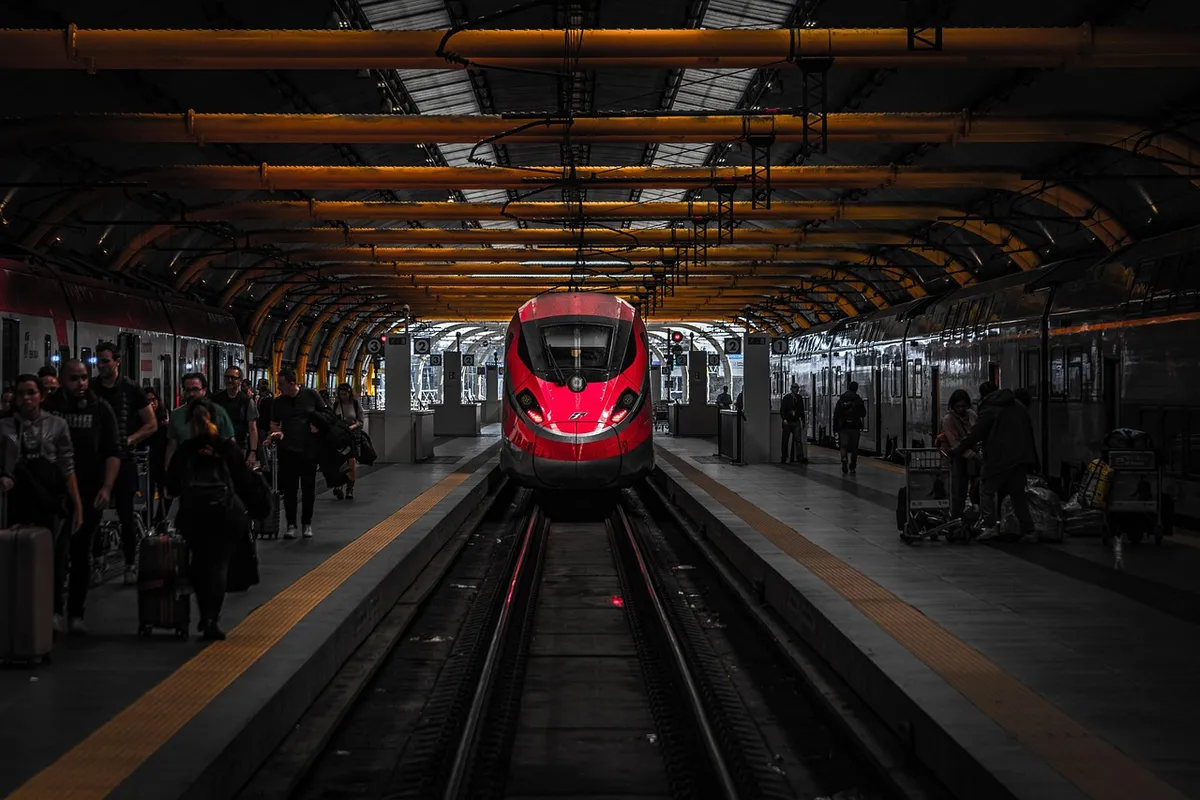
I found that checking the platform number on the mobile app before leaving the airport saved me significant time.
One limitation of this hub is that during massive international trade fairs, the density of crowds can slow down movement through the main corridors.
Expect longer queues and increased congestion during major holidays or large-scale events, so plan to arrive well in advance.
World Bank Based on the retained excerpt mentioning World Bank: According to World Bank data, China recorded share of internet users of 91.6% in 2025.
- How to use the Shanghai Hongqiao travel guide for arrivals?
- What are the best Hongqiao hub transit tips for transfers?
- How can I optimize Shanghai airport link for rail connections?
Related
- Shanghai French Concession value: A guide to its charm
- Shanghai Concession Foreign Visit: Architectural Guide
What conditions affect the efficiency of transit during peak times?
- The density of crowds increases substantially when the hub hosts large-scale events. 2. Travelers must adhere to the main arterial walkways when the facility experiences high volume. 3. The condition of high-volume transit necessitates extra time allocation for navigation.
This congestion impacts the flow between the airport terminal and the railway station.
Recognizing these conditions allows passengers to adjust their expectations for the overall transit experience.
How does the hub compare different modes of transit for efficiency?
- The direct pedestrian connections offer a streamlined path between the air and rail sectors. 2. Utilizing specialized transit paths minimizes the time spent navigating different complex levels. 3. The integration between the airport and high-speed rail terminals facilitates quicker transitions.
The comparison shows that following the dedicated paths is superior for efficiency compared to general movement within the hub. When comparing the two modes, the seamless journey is achieved by respecting the established internal signage.
This design supports the overall efficiency goal of the facility.
The hub's design inherently supports both seamless journey and logistical struggle scenarios depending on passenger behavior. A disciplined approach to transit procedures helps maintain the intended efficiency.
This structure allows for both daily commuters and international visitors to operate within the same space.



Comments 0