Shanghai: Where 100 Years of History Meets Modern Life
"A city is never just a collection of buildings; it is a living manuscript written by the hands of those who lived through its transitions."
To understand Shanghai is to realize that the neon lights and towering skyscrapers are merely the latest chapter in a long, complex narrative of collision and creation.
Key Takeaways
* Architectural Palimpsest: The coexistence of colonial-era Concessions and the verticality of Pudong serves as a physical timeline of the city's cultural evolution. * Literary Muse: Shanghai has historically acted as a crucible for writers and artists navigating the tension between Eastern tradition and Western modernity. * Deepened Travel: Recognizing the city as a character in its own right transforms a standard sightseeing trip into a journey through living history. * Global Continuity: The same energy that once drew novelists and painters to the treaty ports now fuels its status as a global economic and cultural powerhouse.
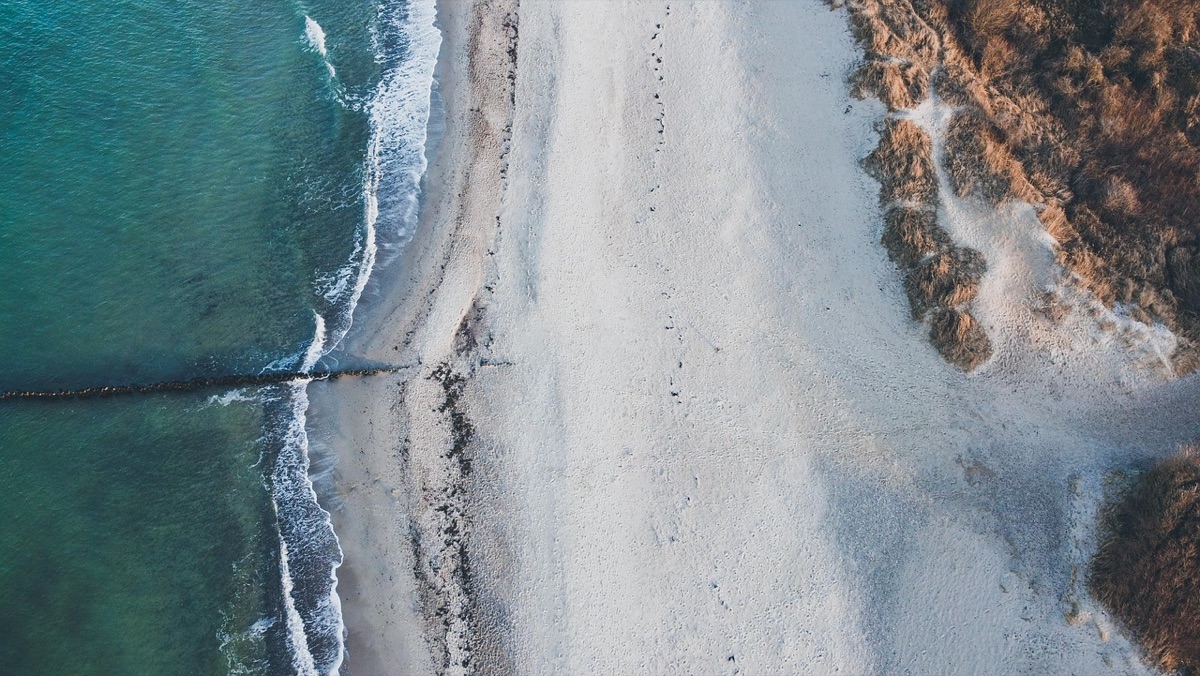
Why did Shanghai become the heart of modern Chinese art? The humid air of a summer afternoon in the Former French Concession carries the scent of blooming jasmine and the distant hum of traffic, a sensory bridge between the 1920s and the 2020s.
Walking through the leafy, tree-lined streets of the Xuhui District, one can almost hear the ghosts of intellectuals debating philosophy in the shadows of Shikumen houses.
The genesis of Shanghai’s unique artistic identity lies in the late 19th and early 20th centuries. As a treaty port, the city was thrust into a state of permanent transition.
The establishment of the International Settlement and the French Concession created a semi-autonomous zone where global currents—political, economic, and artistic—collided with unprecedented force. This was not a seamless integration, but a friction-filled encounter that sparked creative energy.
This era created a unique architectural and social metaphor. The preserved European-style villas and the grand colonial buildings of the Bund stand in stark contrast to the sprawling residential blocks and the rising glass monoliths of the modern era.
This tension between the "old" and the "new" provided the perfect environment for an artistic awakening. Writers and painters were drawn to this volatility, finding in Shanghai a microcosm of the massive shifts occurring across the entire nation.
The city was never a monolithic entity; it was a collection of overlapping worlds. This fragmentation allowed for a diversity of thought and lifestyle that was rare in other Chinese cities at the time.
It was this very unpredictability that turned Shanghai into a magnet for the restless and the visionary. But the creative spark was only the beginning of a much deeper narrative.
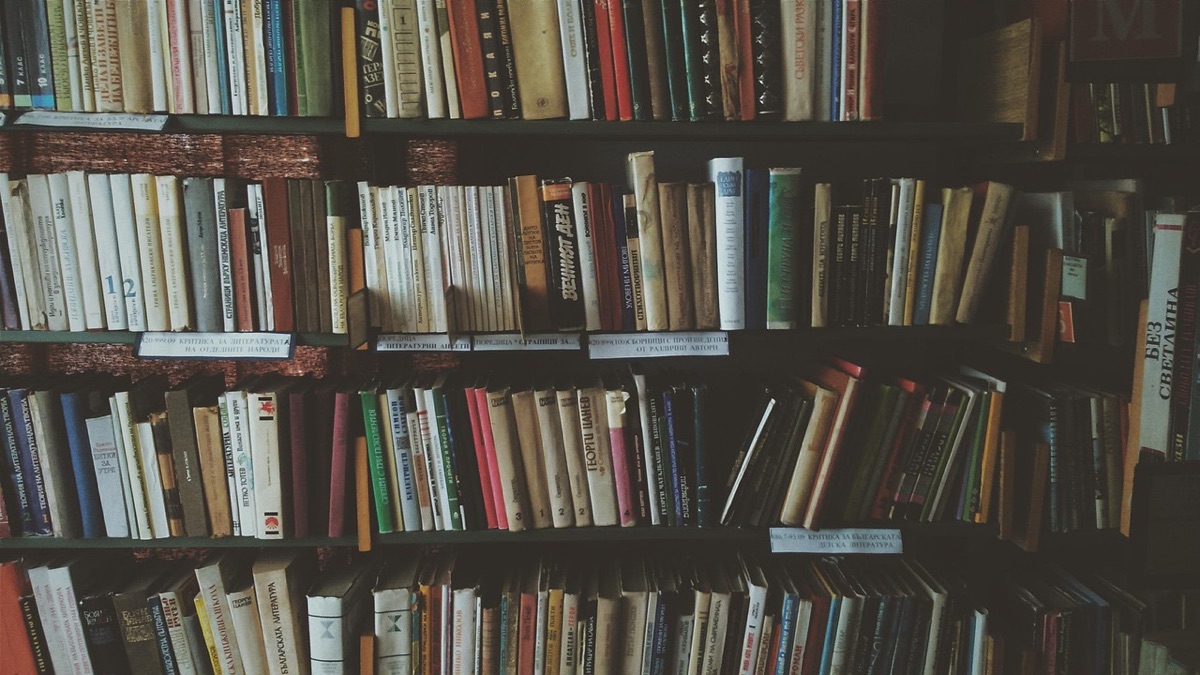
How did Shanghai inspire the world of literature? A quiet corner in a tea house on Wukang Road offers a moment of stillness, yet the books on the shelves tell stories of turbulence and change. The shadows cast by the plane trees seem to hold the weight of a thousand unfinished manuscripts.
For many of the most significant figures in modern Chinese literature, Shanghai was not just a setting; it was a protagonist.
Authors found that the city’s rapid shifts in identity—from a treaty port to a revolutionary hub and eventually to a global metropolis—mirrored the internal struggles of their characters.
The themes of modernization versus tradition, the complexities of expatriate life, and the stark realities of class disparity were all vividly expressed through the lens of the Shanghai experience.
The Huangpu River has often served as a narrative artery in these works, symbolizing the flow of time and the unstoppable force of progress.
Writers utilized the specific geography of the city—the narrow alleys of the old residential areas versus the wide, sweeping avenues of the waterfront—to illustrate the psychological states of their protagonists.
The city provided a texture of reality that was both gritty and glamorous, making it an ideal backdrop for exploring the human condition.
This artistic symbiosis meant that the literary movements were often reflected in the visual arts and the burgeoning urban culture.
The "Shanghai Style" (Haipai) culture emerged as a distinct blend of local traditions and foreign influences, a concept that continues to influence how the world perceives the city today.
The literary weight of the city is immense, but how do you actually find these stories on the ground?
Navigating the Layers of Shanghai: A Visitor’s Lens
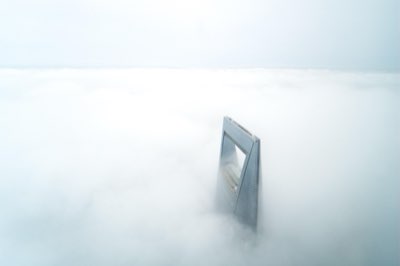
Standing on the Bund at dusk, the transition from the historic stone facades to the glowing, futuristic skyline of Lujiazui across the water is a visual shock to the system. The wind from the river is cool, and the sudden shift in light marks the boundary between two different centuries.
To truly grasp the depth of the city, one must learn to read its layers. The Bund represents the grandeur and the heavy history of the early 20th century, while the Lujiazui skyline represents the vertical ambition of the 21st.
Moving between these two poles is a lesson in how a city can reinvent itself without completely erasing its past.
To see the "old" Shanghai and understand its literary and artistic roots, travelers should venture into the residential neighborhoods.
The Shikumen architecture—characterized by stone-gate entries and courtyard layouts—offers a glimpse into the domestic life that once housed the city's thinkers and workers.
Walking through areas like the Former French Concession or the Jing'an District allows for a more intimate connection to the era of the great novelists.
This cultural context adds a new dimension to the modern experience. When you visit a museum or dine in a restored villa, you aren't just consuming a product; you are participating in a continuity of culture.
The hyper-modernity of today is the direct descendant of the same restless energy that drew the artists of the past.
| Feature | The Bund / Historical Districts | Lujiazui / Pudong |
|---|---|---|
| Atmosphere | Nostalgic, Grand, Intimate | Futuristic, High-Energy, Vertical |
| Architectural Style | Neoclassical, Art Deco, Shikumen | Post-modern, Skyscraper, Glass |
| Primary Experience | Walking, History, Cafe Culture | Observation Decks, Luxury, Business |
| Narrative Role | The Roots and the Past | The Ambition and the Future |
This contrast is beautiful, but it can also be overwhelming. Understanding how to navigate these layers requires a specific approach.
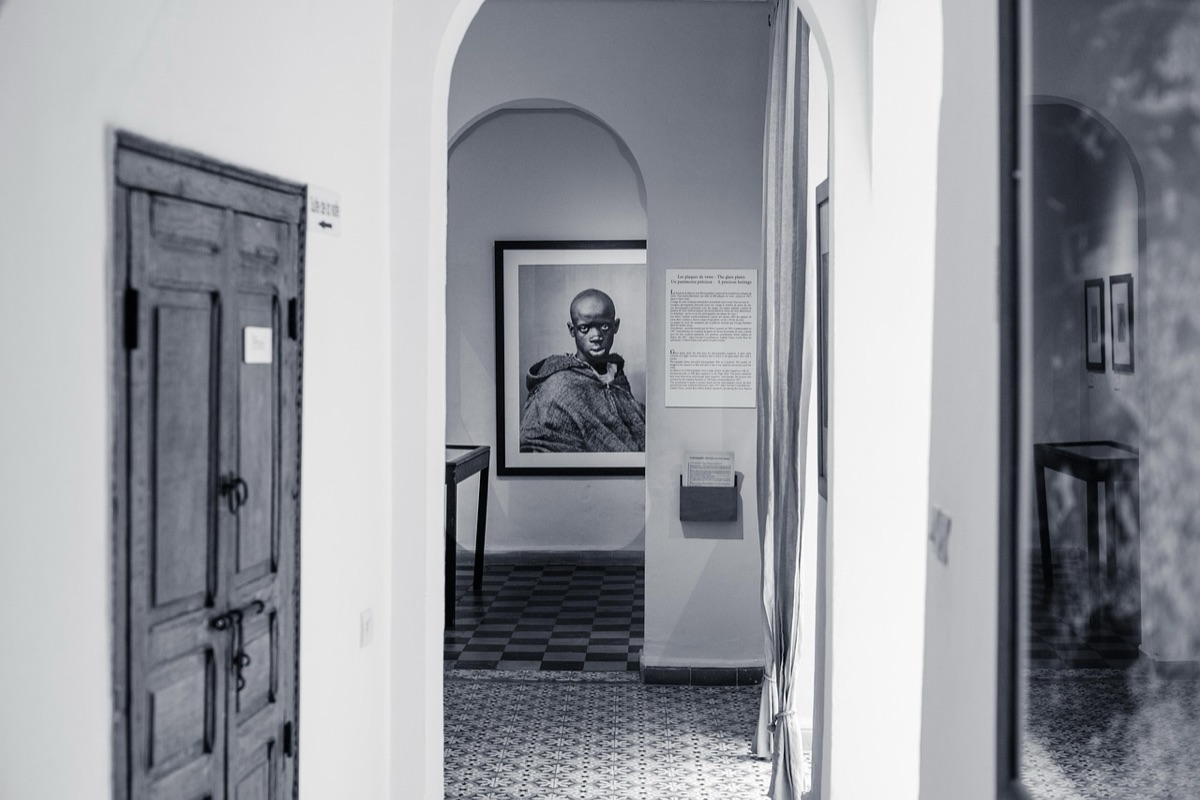
How to Experience the Layers: A Step-by-Step Guide
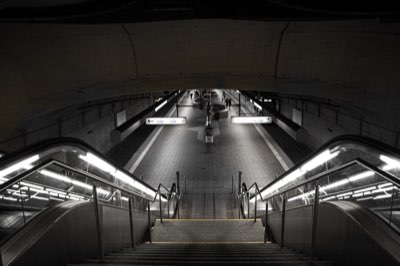
The rhythmic pulse of the subway and the constant movement of people at Shanghai Hongqiao International Airport remind us that the city never truly sleeps. There is a sense of momentum here that feels both inevitable and exhilarating.
When I first arrived, I spent my first evening sitting on a bench in the French Concession, watching the mixture of elderly locals and young professionals pass by. It felt like watching time move at two different speeds simultaneously.
To make the most of your time, follow this sequence to balance the history and the future:
- Morning: The Residential Deep Dive. Start at 8:00 AM in the Xuhui District. Walk through the narrow Shikumen lanes when the light is soft and the residential life is most visible.
- Midday: The Cultural Immersion. Head to a local museum or a restored villa-turned-gallery in the Jing'an District to see how the "Shanghai Style" is preserved and interpreted.
- Late Afternoon: The Waterfront Transition. Walk the length of the Bund as the sun begins to set. Observe the transition from the heavy stone architecture to the water's edge.
- Evening: The Vertical Ascent. Take the ferry or the metro across the Huangpu River to Lujiazui. Experience the neon and the height of the modern metropolis.
This structured approach helps prevent the "sensory overload" that many first-time visitors face. However, it is important to remember that no guide can capture everything.
Note that while the historical districts offer a window into the past, they are living residential areas. Respecting the privacy of local residents and the quietude of residential lanes is essential for an ethical and pleasant visit.
The economic and cultural power of the city is undeniable, but it is the human element that keeps it alive.
The Enduring Global Pulse of Shanghai
The rhythmic pulse of the subway and the constant movement of people at Shanghai Hongqiao International Airport remind us that the city never truly sleeps. There is a sense of momentum here that feels both inevitable and exhilarating.
According to the World Bank, China recorded a high-technology share of manufactured exports of 26.3% in 2024. According to the OECD, Shanghai's metropolitan area has an estimated population of 34 million.
Shanghai’s role as a global gateway has remained a constant through its many transformations. Just as it was a vital node in the global trade networks of the early 1900s, it remains a central engine of the modern global economy.
This economic power is the foundation upon which its contemporary cultural influence is built.
The ability to attract global attention and talent is a recurring theme in the city's history. The same dynamism that once brought novelists and painters to its streets now draws tech innovators, entrepreneurs, and artists from every corner of the world.
This constant influx of new perspectives ensures that Shanghai remains a living, evolving work of art.
As the city continues to grow and change, its ability to synthesize the new with the old will remain its greatest strength. For the visitor, the challenge and the reward lie in discovering the stories hidden within the steel and the stone.
FAQ
Is it difficult to visit the historical districts? No, the historical areas like the Former French Concession and the Bund are very accessible and well-connected by the Shanghai Metro. They are excellent places for walking tours.
When is the best time to experience the "old" atmosphere? Early morning walks through the residential Shikumen areas can provide a more authentic and quiet sense of the city's history before the peak tourist hours.
Can I find literary connections in modern museums? Yes, many museums and art galleries in Shanghai feature exhibitions dedicated to the city's unique history and the artists who were influenced by its rapid development.
Does the modern skyline distract from the history? Rather than a distraction, the skyline serves as a contrast. Seeing the modern towers and the historic Bund in one view helps you understand the full scope of Shanghai's evolution.


Comments 0