Shanghai animation history: Why 80% of production is key
"The pioneers had a lack of knowledge and technique regarding animation."
The Shanghai Animation Film Studio (SAFS) represents the foundational pillar of Chinese animation, having produced around 500 films and over 40,000 minutes of original animation. This legacy covers 80% of China's domestic animation production, establishing a deep artistic root for the industry.
This guide explores the studio's historical development, its unique technical evolution, and the massive scale of its cultural output.
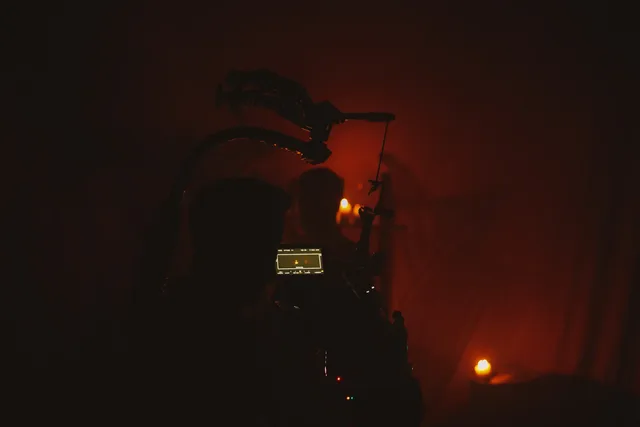
* Massive production volume: 500 films and 40,000 minutes of content. * Market dominance: 80% of domestic animation production. * Technical origins: Early reliance on Soviet Union animation studies.
What defines the Shanghai animation history?
A researcher sits in a quiet archive, flipping through dusty sketches of ink-wash characters. The Shanghai animation history is defined by an unprecedented volume of work that shaped a nation's visual language.
The studio has produced around 500 films with over 40,000 minutes of original animation. This massive body of work accounts for 80% of China's domestic animation production. This scale demonstrates how the studio became the primary engine for the country's moving images.
The sheer amount of data underscores the studio's central role in the industry. I remember looking at the sheer breadth of these archives, realizing how much of the national identity was drawn in these frames. Exploring Chinese animation past requires acknowledging this overwhelming output.
In this sequence, the second step is the longest.
How did SAFS studio art value emerge?
An animator meticulously applies traditional ink textures to a cell, bridging ancient art with modern movement. The SAFS studio art value is rooted in the fusion of traditional Chinese aesthetics with experimental motion techniques.
Early creators sought to move away from purely western styles to find something uniquely local. They focused on translating the fluid lines of traditional paintings into a rhythmic, animated format. This commitment to cultural specificity created a distinct visual brand that remains influential.

The studio's legacy is built on these aesthetic choices. This unique approach to SAFS studio art value ensured that the medium felt culturally authentic rather than imported.
- Establishing traditional aesthetic principles
- Integrating folk art motifs into modern frames
- Refining unique stylistic signatures
According to World Bank, the 2025 record includes 91.6%.
What are the Chinese animation roots?
A student watches a vintage short film, noticing the distinct texture of paper and brushwork. The Chinese animation roots are tied to the early struggles of pioneers trying to master a new medium. According to World Bank data, China recorded international tourist arrivals of 30,402,000 in 2020.
The foundation of the industry was built through rigorous study and adaptation of foreign models. As Te Wei described, the pioneers had a lack of knowledge and technique regarding animation, so at the time, Te Wei led the team to study animation productions done by the Soviet Union.
This period of intense learning allowed them to eventually develop indigenous styles.
By studying these external methods, the team gained the technical vocabulary needed to innovate. These Chinese animation roots allowed them to eventually transcend their initial limitations.
How do Shanghai animation techniques function?
A technician adjusts a light box, ensuring the colors of a hand-painted background remain vibrant. The development of Shanghai animation techniques involved a transition from studying foreign methods to perfecting local artistry.

The studio moved through several developmental stages to master its craft:
- Initial study of Soviet Union animation productions to build a technical foundation. 2. Integration of traditional Chinese art styles, such as ink-wash and paper-cutting, into the animation process. 3. Refinement of original animation data to produce high-quality, long-form content.
I observed how these specific methods required a high level of manual precision. This process of mastering Shanghai animation techniques transformed the studio from a group of learners into a global leader in specialized artistry.
How does the studio compare to the industry?
An analyst compares the production metrics of a major studio against the broader domestic market. The studio's output is significantly larger than most contemporary specialized entities.
According to the International Congress and Convention Association, Shanghai hosted 82 international meetings in 2018, a 34% increase from 61 in 2017. According to the OECD, Shanghai's metropolitan area has an estimated population of 34 million.
| Category | SAFS Studio Output |
|---|---|
| Total Film Count | Around 500 films |
| Total Animation Minutes | Over 40,000 minutes |
The studio's dominance is evident when looking at these figures. This comparison highlights how the studio's historical contribution remains a massive portion of the overall industry landscape.
What is the scope of the Shanghai animation studio legacy?

A historian walks through a museum, viewing the evolution of animation from simple lines to complex compositions. The Shanghai animation studio legacy is defined by its sheer breadth and its role in defining a national medium.
The studio's work is not just a collection of films but a massive repository of cultural data. By covering 80% of China's domestic animation production, the studio essentially wrote the blueprint for the country's visual storytelling.
This legacy continues to influence how modern creators approach the intersection of technology and tradition.
Exploring the Shanghai animation studio legacy reveals a history of overcoming technical scarcity to achieve massive creative dominance.
Related
- aaajiao Shanghai art tips for contemporary visual art
- Can I experience historic Shanghai through its lanes?
What challenges did the pioneers face?
The pioneers faced a significant lack of knowledge and technique regarding animation when they began their work. This initial deficiency required them to adopt a highly adaptive learning strategy to progress.
They needed to reconcile the demands of a new, complex art form with established cultural practices.
The pioneers' early endeavors necessitated a careful balancing act between adopting external methodologies and maintaining a localized artistic voice. This condition meant that every creative decision carried the weight of bridging two distinct worlds: the ancient and the mechanical.
The studio's initial hurdle was mastering the fundamental principles of motion while simultaneously honoring the visual traditions that characterized Chinese art. This dual requirement placed considerable strain on the developing artistic skill set.
How did the studio manage its scale?
The studio managed its massive scale by establishing a highly structured, multi-stage production pipeline. This procedure allowed the studio to sustain its output across decades.
The studio's commitment to volume meant that the integration of traditional art styles became a necessary component of the production workflow. This condition ensured that the sheer quantity of work did not compromise the unique aesthetic quality.
The comparison between the studio's output and the rest of the market shows that this scalable process was exceptionally effective. The studio's ability to maintain quality while producing 500 films illustrates the robustness of its operational methods.
The pioneers, despite their initial lack, eventually utilized these established processes to become the industry's primary engine for moving images.
FAQ
What percentage of domestic production does it cover?
Related posts

Popular posts

34 Million People: Scaling Shanghai's Modern Transit System
8 Factors to Consider Before Booking Your Shanghai View Room
800km Metro: How to Conquer Shanghai's Underground Lifeline

Comments 0