Find Your Table: A Guide to Truly Local Shanghai Eateries
"To eat in Shanghai is to taste the intersection of tradition and rapid change."
Finding the soul of a city through its food requires looking past the neon lights of Nanjing Road and stepping into the narrow, stone-paved alleys where the scent of soy sauce and ginger lingers in the air.
For the traveler seeking more than just a meal, understanding the nuances of Benbang cuisine is the key to unlocking the city's true identity.
* Authentic Shanghainese cuisine is a deep cultural reflection, requiring knowledge beyond tourist menus. * This guide navigates hidden gems offering genuine, deep-rooted local flavors. * Understanding the nuances of local dining is key to experiencing the true spirit of Shanghai.

The Soul in the Sauce: Why Flavor Defines Identity
A heavy rain falls against the window of a small tea house in the French Concession at 3:30 PM, the sound muffling the distant hum of traffic. Inside, the steam from a bamboo basket rises, carrying the scent of pork and scallions, a smell that has defined these streets for generations.
According to the World Bank, China recorded a high-technology share of manufactured exports of 26.3% in 2024.
The identity of Shanghai is not just found in its skyline but in its "Benbang" (local) cooking style, which balances sweet, savory, and salty notes in a way that reflects its history as a cosmopolitan hub.
While the city grows upward with glass towers, the culinary DNA remains rooted in the delicate balance of soy, sugar, and seafood. In 2025, as the skyline continues to shift, the fundamental recipes of the home-cooked meal remain the city's true anchor.
The contrast between mass-market tourist offerings and deep-dive local haunts is stark. In the high-rise districts, you might find "Chinese-inspired" fusion, but the true essence of the city is preserved in the older neighborhoods where recipes are guarded by families rather than corporations.
This culinary heritage is a living history, much like the Shikumen architecture that defines the city's older residential blocks. The transition from the old world to the new is happening faster than almost anywhere else on earth.
In a massive metropolitan area with an estimated population of 34 million, the sheer scale of the city can make finding an authentic seat at a table feel daunting.
But the real challenge isn't finding food; it's finding the *right* food.
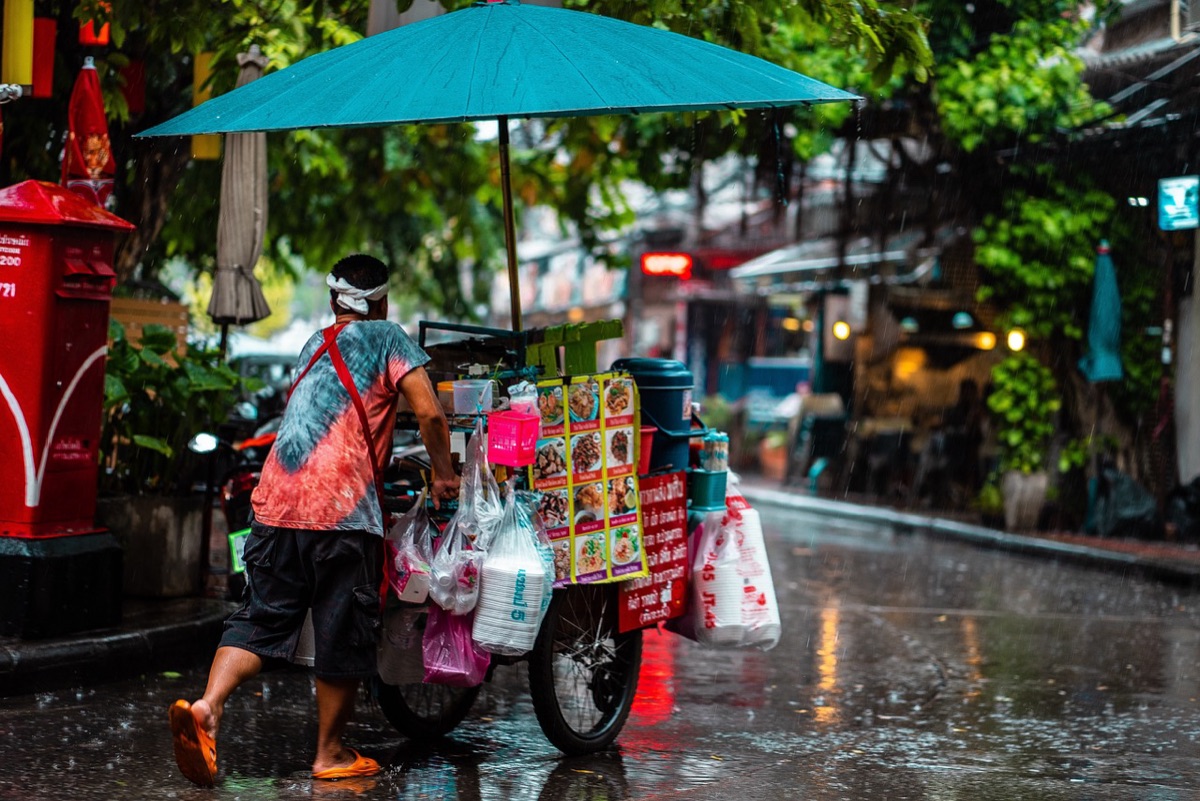
How do I find the real taste beyond the neon lights? Walking through a crowded market at 7:00 AM, the air is thick with the smell of toasted sesame and fresh dough. A local resident stands at a small stall, waiting patiently for a single, steaming dumpling, ignoring the much larger, flashier restaurant just a block away.
To find real taste, you must move away from the primary tourist hubs and look toward neighborhoods like Jing'an or the quieter corners of Huangpu.
While everyone flocks to the famous dumpling houses on major streets, the locals often frequent smaller, family-run establishments that don't have English signage.
When searching for authentic flavors, focus on these staples:
- Xiaolongbao (Soup Dumplings): Look for places where the skin is thin enough to be translucent but strong enough to hold the broth.
- Shengjian (Pan-Fried Buns): These should have a crispy, golden bottom and a juicy interior.
- Hong Shao Rou (Braised Pork Belly): The gold standard of Benbang cooking, characterized by a rich, dark glaze.
A "tourist-friendly" rendition often over-sweetens these dishes to appeal to a broad palate, whereas a local favorite maintains a complex balance of salt and sugar that hits the backbone of the flavor profile.
When I tried a particularly famous dumpling shop in 2025, I realized that the lack of English menus was actually a filter for quality.
However, knowing what to order is only half the battle.
How can I master the art of the local table? A group of friends sits around a circular table in a dim, wood-paneled dining room at 7:30 PM, the clinking of chopsticks against porcelain creating a rhythmic backdrop to their conversation.
They don't look at menus; they simply nod to the server, ordering the same dishes they have ordered for twenty years.
Ordering in a local establishment can feel intimidating, but it is often a matter of understanding the rhythm of the meal. In many authentic spots, there is no formal reservation system for small groups; you simply show up and wait for a seat.
In larger, high-end local restaurants, learning to navigate digital reservation platforms is essential.
| Feature | Tourist-Centric Dining | Local Authentic Dining |
|---|---|---|
| Menu Language | Often English-heavy | Primarily Mandarin/Shanghainese |
| Atmosphere | High-energy, bright lighting | Casual, often bustling or intimate |
| Focus | Presentation and "Instagrammability" | Depth of flavor and freshness |
| Service Style | Formal and structured | Fast-paced and functional |
Understanding regional variations is also vital. While the city is unified, the way a dish is prepared in a traditional courtyard house might differ slightly from the refined versions found in modern bistros.
But what happens when the meal is too heavy for the palate?
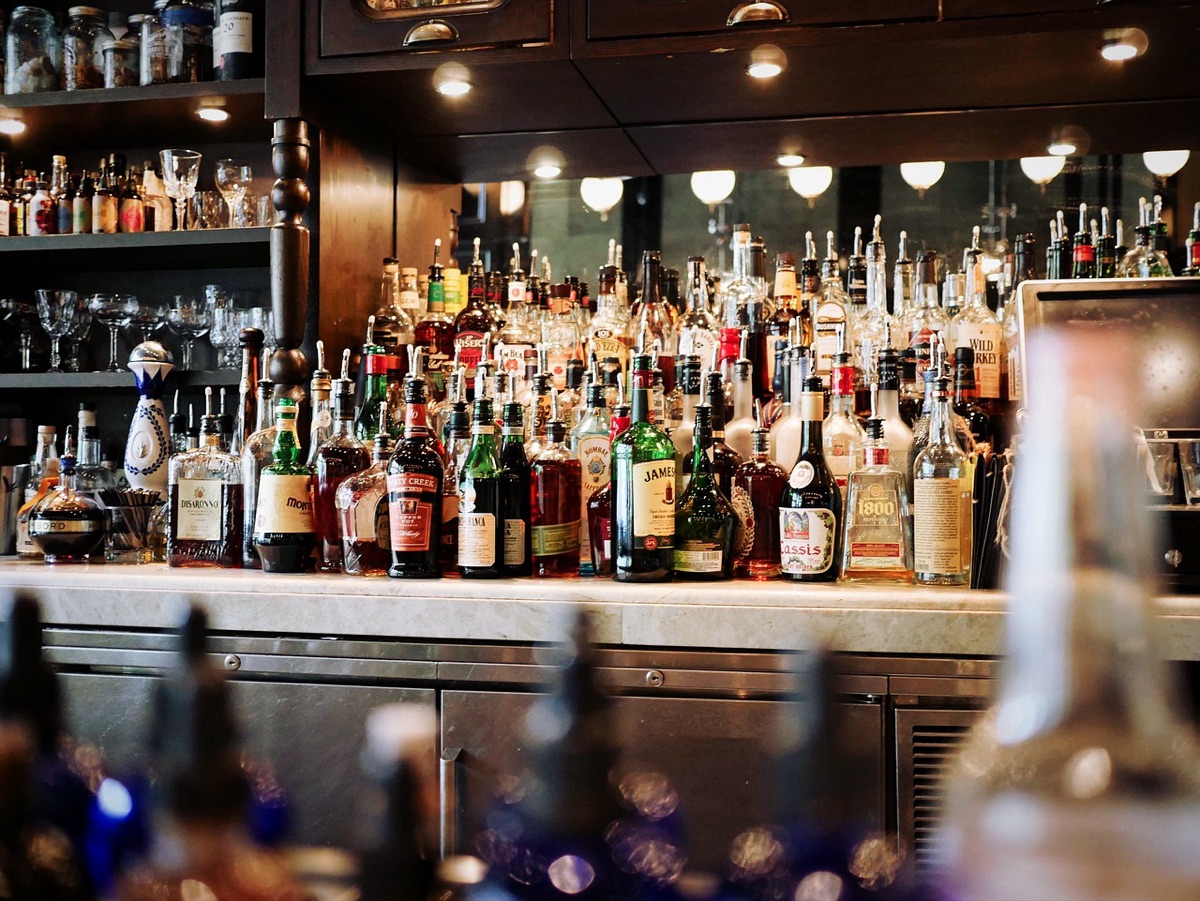
The Perfect Pairing: Tea and Small Bites
The sun begins to set, casting long shadows across a stone courtyard, and a small cup of jasmine tea is placed on the table, its floral aroma cutting through the richness of the meal.
To truly master the meal, consider pairing your heavy, savory dishes with traditional Chinese teas. A light green tea or a floral jasmine tea can cleanse the palate between bites of rich, braised pork.
In many local spots, you will find small, complimentary snacks or side dishes that provide a sharp, acidic contrast to the sweetness of the main course.
Local vendors near dining areas often sell specialized snacks that complement a meal. For example, grabbing a small bag of toasted seeds or a seasonal fruit from a street vendor after a heavy meal is a common local practice to refresh the senses.
It is important to note that these traditional methods are not universal. In high-end fusion restaurants in Pudong, you may find much more Westernized service and flavor profiles that deviate entirely from these heritage-based pairings.
While the flavors are deep, the logistics can be tricky.
Navigating the City: Practical Logistics
A traveler stands at a subway entrance at 2:00 PM, checking a smartphone to navigate the complex web of lines that crisscross the city, before stepping into the humid afternoon air. According to the OECD, Shanghai's metropolitan area has an estimated population of 34 million.
In a massive metropolitan area with an estimated population of 34 million, the sheer scale of the city can make finding an authentic seat at a table feel daunting.
For visitors, navigating the logistics of dining in a city of 34 million can be a challenge. In the older parts of town, such as the Old City, streets can be narrow and much of the commerce is cash-based or relies on mobile payments.
In newer districts like Pudong, the experience is much more digitized.
To navigate this successfully, follow these steps:
- Payment Methods: Ensure your mobile payment apps are set up and linked to your cards before you arrive. In many local spots, scanning a QR code is the only way to pay.
- Navigation: Use localized map apps rather than generic global ones to find the exact alleyway locations of hidden gems.
- Timing: Many of the best local spots have specific hours. Some may close in the mid-afternoon for a break, so timing your visit is crucial.
While the transition to a digital economy is nearly universal, always keep a small amount of physical currency for very traditional, small-scale vendors in older neighborhoods.





Comments 0